
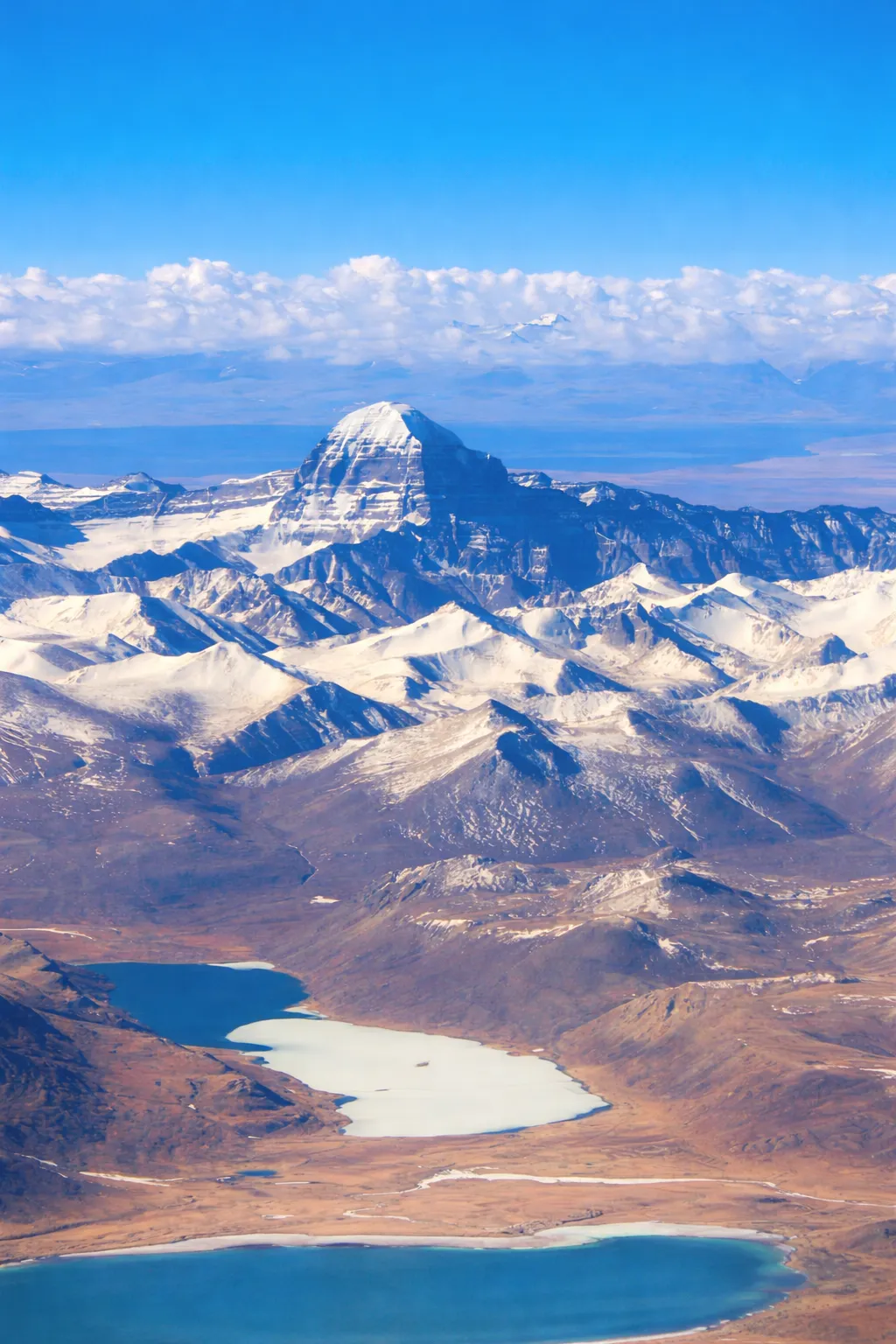
Mount Kailash and Lake Mansarovar represent the pinnacle of spiritual travel for thousands of seekers around the world. Every year, devotees, adventurers, and cultural enthusiasts plan their journeys to this sacred region in the Tibetan plateau. While any visit to this holy mountain is considered deeply transformative, many pilgrims specifically time their travel to align with the lunar cycle. The kailash mansarovar full moon dates 2026 are already generating immense interest because experiencing the radiant glow of the full moon over the sacred peaks and pristine waters is an unparalleled spiritual milestone.
This comprehensive guide will explain everything you need to know about planning your journey around the lunar calendar. We will detail the exact dates to watch, explain the profound spiritual significance of Purnima and the Saga Dawa festival, and break down how astronomical timing differs from traditional devotional observance. You will also learn about the best routes from Nepal, how to match your personal travel style to the right departure window, and why booking early is absolutely critical for the upcoming season.
Kailash Mansarovar Full Moon Dates 2026: Quick Answer
Many pilgrims time their journey around full moon nights for profound devotional, ritual, and festival reasons. Experiencing the lunar light reflecting off the snow covered face of Mount Kailash is considered highly auspicious and spiritually magnifying. If you are looking for a direct answer regarding the most important full moon window in the upcoming year, the date to circle on your calendar is May 31.
May 31 aligns with the revered Saga Dawa festival, the holiest period in Tibetan Buddhism, making it the most sought after departure window of the entire year. During this time, the spiritual energy at the mountain is believed to be at its absolute peak, and massive ceremonies take place at the Tarboche flagpole. Because 2026 features two full moons in the month of May, this second lunar peak is classified as a Blue Moon, adding a unique astronomical rarity to an already deeply sacred occasion. If you intend to travel during this specific window, connecting with our operating team early can help you prepare for permit requirements and tour availability, as spaces may fill up months in advance.
Full Moon Dates for Kailash Yatra in 2026
When planning your spiritual expedition, having the precise calendar is your most valuable tool. The lunar cycle dictates the flow of the pilgrimage season. Below is the complete schedule of the primary full moon dates for the 2026 Kailash season, calculated using Kathmandu local time.
- May 1, 2026
- May 31, 2026
- June 30, 2026
- July 29, 2026
- August 28, 2026
- September 26, 2026
- October 26, 2026
Important Note on the May Blue Moon:
You will notice that the year 2026 features two full moons in the month of May. In astronomical terms, when two full moons occur within a single calendar month, the second occurrence is referred to as a Blue Moon. In Kathmandu local timing, the May 31 event fits this description. This makes the May 31 date not only the centerpiece of the Saga Dawa festival but also a rare celestial event.
When reviewing these dates, travelers should remember that devotional observance dates such as Purnima Vrat may fall on the exact same day or the adjacent day depending on local lunar timing. Fasting and puja dates can vary by location and by exactly when the specific lunar phase begins and ends.
Why Pilgrims Prefer Full Moon Departures to Kailash Mansarovar
The desire to witness Mount Kailash beneath a full moon goes far beyond simple aesthetics. The human and spiritual intent behind this timing is deeply woven into the fabric of multiple ancient religions.
In Hindu tradition, the full moon is known as Purnima. Purnima is universally associated with divine completeness, spiritual awakening, and prosperity. Many pilgrims believe that performing prayers, meditating, and taking a holy dip or performing ritual bathing in the frigid waters of Lake Mansarovar during Purnima amplifies the spiritual merit of the act. The gravitational pull of the moon is thought to affect the waters of the lake and the spiritual channels within the human body simultaneously, making darshan and puja exceptionally powerful during this specific window.
In Tibetan Buddhist practice, the lunar calendar dictates the rhythm of religious life. The most significant alignment occurs during the fourth lunar month. The full moon of this month is known as Saga Dawa Duchen. It is regarded as the holiest day of the year for Tibetan Buddhism because it commemorates the birth, enlightenment, and passing of Buddha Shakyamuni. Pilgrims believe that the merit generated by good deeds, prayers, and circumambulation around Mount Kailash during Saga Dawa is multiplied millions of times over. The vibrant ceremonies, the raising of the great prayer flagpole at Darchen, and the sheer volume of devoted monks and locals making the trek create an atmosphere charged with pure devotion.
Because of these profound religious associations, tour operators build specific full moon departures. It is crucial to understand that a full moon departure does not mean you leave your home country on the night of the full moon. Instead, operators structure the entire overland or helicopter itinerary backwards. They design the travel schedule so that your arrival at Lake Mansarovar or your presence at the base of Mount Kailash aligns perfectly with the lunar peak. This careful logistical choreography ensures that devotees are in exactly the right place at exactly the right time to perform their sacred rituals.
Astronomical Full Moon vs Devotional Timing: What Travelers Need to Know
A common source of confusion for international travelers is the difference between an astronomical full moon and the traditional devotional observance day. Most general travel guides blur these concepts together, which can lead to poorly timed travel bookings. Understanding this distinction is vital for ensuring your rituals align with the correct spiritual window.
The astronomical full moon refers to the exact minute and second when the moon is perfectly illuminated by the sun from the perspective of Earth. This is a strict scientific measurement based on planetary alignment.
Purnima, however, is a tithi based observance rooted in the traditional Hindu lunar calendar. A tithi is a lunar day, and it does not neatly align with a standard twenty four hour solar day. A single tithi can begin in the middle of a Tuesday afternoon and end on a Wednesday morning. Furthermore, traditional fasting and ritual observances often depend on specific sunrise rules. If the Purnima tithi is active during the sunrise of a particular day, that day is often observed as the festival day, even if the exact astronomical peak of illumination happens slightly later.
Therefore, the practical date a devotee follows for fasting and prayer can differ by one day depending on local timing and regional sunrise rules.
Using Kathmandu as our geographical reference for the 2026 season, let us look at two examples:
First, consider the May 31 astronomical full moon. While the scientific peak of illumination occurs on May 31, the associated Purnima Vrat observance or specific puja rituals may center on May 30 or May 31 depending on the exact ritual context and the start time of the tithi.
Second, consider the October 26 astronomical full moon. The scientific peak is on October 26, but traditional calendar listings for the Ashwina Purnima Vrat often appear on October 25 in Kathmandu because of how the lunar phase aligns with the local sunrise.
Major traditional calendar authorities explicitly note that fasting or puja dates can shift depending on when the tithi starts and ends, and that observance can differ significantly by location. For this reason, pilgrims are strongly advised to consult with their spiritual guides regarding exact fasting days, while relying on their tour operators to position them at the sacred lake during the broader forty eight hour lunar window.
The Most Important Full Moon Windows for Kailash Yatra in 2026
Every lunar cycle brings a unique atmosphere to the Tibetan plateau. However, not all departure windows are identical in terms of weather, crowd levels, and spiritual focus. Breaking the 2026 calendar into practical subwindows will help you determine which month aligns best with your goals.
May 31, 2026 Saga Dawa Full Moon
This is universally recognized as the biggest spiritual window of the year. The alignment of the Blue Moon with the Saga Dawa festival transforms the Kailash region into a vibrant hub of devotion. You will witness thousands of Tibetan pilgrims performing prostrations along the trekking path. The energy is intense, highly traditional, and deeply moving. Because of the festival, this window experiences the highest demand globally. Weather in late May is generally clear, though mornings and nights at the high altitude remain piercingly cold.
June 30, 2026 Post Saga Dawa Full Moon
This window is excellent for pilgrims wanting strong spiritual symbolism with slightly less peak festival pressure. The intense crowds of May have usually dispersed, leaving a calmer but equally majestic environment. The weather in late June begins to warm up slightly, making the trekking conditions slightly more comfortable for those who struggle with extreme cold. It provides a perfect balance of lunar alignment and peaceful darshan.
July 29 and August 28, 2026 Peak Season Full Moon Departures
These two dates fall right in the middle of the global summer travel season. They are absolutely the best options for school holiday planning and Non Resident Indian families traveling from North America or Europe. During these months, the temperature is at its warmest on the plateau. However, this period also coincides with the monsoon season in the lower Himalayas. While the Tibetan plateau itself remains relatively dry due to the rain shadow effect, travelers accessing the region via Nepal may experience flight delays or muddy road conditions on the approach.
September 26 and October 26, 2026 Cleaner Shoulder Season Options
These later dates are highly useful for travelers who want full moon timing with a crisp, later season feel. By late September, the monsoon rains in the lower valleys have completely vanished, leaving behind skies that are brilliantly clear. The visibility of the mountain and the stars is unmatched during this time. October is significantly colder, and the trekking paths may begin to see early snow, but the sheer clarity of the lunar light reflecting off the frozen landscape is a photographer and deep meditator dream.
How to Choose the Best Full Moon Departure for Your Kailash Yatra
Selecting the perfect departure date is a highly personal decision. It requires balancing your spiritual desires with practical constraints like work schedules, physical health, and family obligations. Here is tailored advice for different audience segments planning for the kailash mansarovar full moon dates 2026.
For NRI Families Traveling Around Annual Leave
If you reside in the United States, Canada, the United Kingdom, or Australia, coordinating a three week trip requires significant advance notice. The July 29 and August 28 windows are typically the most practical. These align seamlessly with Western summer school holidays, allowing multi generational families to travel together without disrupting academic calendars. While you must account for potential monsoon delays in Kathmandu, the logistical convenience of summer travel makes these dates highly attractive.
For Devotees Seeking Deep Purnima Alignment
If your primary motivation is strict Hindu ritual observance, any of the listed dates will provide the profound spiritual setting you seek. However, you should communicate clearly with your tour operator that your priority is spending the maximum amount of time at Lake Mansarovar during the night of the full moon. Some itineraries rush past the lake to begin the trekking circuit. A spiritually focused pilgrim should ensure their chosen package features an overnight stay directly on the shores of Mansarovar during the critical lunar phase.
For Spiritual Seekers Prioritizing Saga Dawa
If you wish to immerse yourself in Tibetan Buddhist culture and witness the grand raising of the Tarboche flagpole, you must absolutely target the May 31 departure window. You should prepare yourself for massive crowds, bustling guesthouses, and a highly communal atmosphere. This is not a solitary retreat; it is a grand, joyous, and intense collective act of faith.
For Older Travelers Wanting Calmer Departures
Senior citizens or those who prefer a tranquil environment should look closely at the June 30 or September 26 windows. These dates avoid the frenetic energy of the May festivals and the heavy family travel volume of July and August. September is particularly beautiful, offering stable weather and a deep, quiet serenity that perfectly complements meditation and gentle prayer.
For Photographers and Moon View Seekers
If capturing the visual majesty of the lunar light on the silver face of Mount Kailash is a priority, late September and October are unmatched. The atmospheric moisture drops significantly in the autumn, eliminating haze and providing razor sharp visibility. The October 26 moon will illuminate the snow covered peaks with breathtaking clarity, though you must be fully prepared for sub zero nighttime temperatures.
Route Options from Nepal for Full Moon Kailash Yatra Departures
Connecting the calendar to your actual travel logistics is the next critical step. The phrase full moon departure indicates the timing of the spiritual climax, but how you arrive at that climax depends entirely on the route you select. Operators meticulously reverse plan these itineraries so that travelers departing from Kathmandu arrive at the holy sites exactly as the moon reaches its peak.
Overland via Kerung
This is the classic road-based journey. Travelers drive from Kathmandu through the scenic hills of Nepal, crossing the border at Kerung before ascending onto the vast Tibetan plateau. Those planning their journey often choose a Kailash mansarovar overland tour from kathmandu to secure a structured schedule with adequate time to adjust to increasing elevations along the way. Because the overland journey takes several days to reach Lake Mansarovar, a full moon departure for the May 31 peak might require you to arrive in Kathmandu around May 22 or May 23. This slow progression allows your body to build the necessary red blood cells to handle the extreme altitude safely.
Helicopter via Simikot and Hilsa
This route is engineered for travelers with limited time who still wish to capture the magic of the full moon. Pilgrims fly from Kathmandu to Nepalgunj, then take smaller flights to Simikot, followed by a thrilling helicopter ride to the Hilsa border. Once crossing into Tibet, it is a short drive to Lake Mansarovar. This fast track approach means your initial departure date from home can be much closer to the actual lunar event. However, rapid ascent carries a higher risk of altitude sickness, so travelers must be extremely diligent about hydration and pacing once they arrive at the lake.
Lhasa to Ali Gunsa VIP Route
This premium route is best for those who want deep cultural immersion, maximum physical comfort, and stronger acclimatization. Travelers fly directly into Lhasa, spending days exploring iconic palaces and monasteries while adjusting to the altitude. They then fly internally to Ali Gunsa, which is located just a short drive from Mount Kailash. This route provides the most luxurious approach to the mountain. To hit the May 31 Saga Dawa window, a traveler on this route might begin their journey in Lhasa a full week prior, ensuring they arrive at the mountain rested, culturally enriched, and fully acclimatized.
When Should You Book a Full Moon Kailash Yatra in 2026?
The desire to witness the lunar glow over Mount Kailash is shared by thousands of people globally. This shared desire creates massive logistical bottlenecks. Fixed full moon dates create severe demand spikes, and understanding this dynamic is the key to a successful journey.
Why is early booking so critical? The regional authorities strictly limit the number of permits issued for the Tibet Autonomous Region. Furthermore, accommodation at Lake Mansarovar and the guesthouses along the trekking path is highly limited. During a lunar peak, every single bed in the region will be occupied.
The May 31 Saga Dawa window is guaranteed to be the hardest window to secure. Because it combines the highest Tibetan holy day with a rare Blue Moon, operators anticipate record breaking demand. If you intend to travel during this period, you should be finalizing your booking no later than December of the previous year or January of 2026. Waiting until the spring to book a May departure will almost certainly result in disappointment.
NRI travelers should also plan their July and August journeys well in advance. Coordinating international flights for large families, aligning school calendars, and securing the necessary Chinese visas and Tibet permits requires a lead time of at least three to four months.
When you speak with your chosen operator, you must ask one very specific question: Is this package timed for Darshan at Lake Mansarovar on the night of the full moon, or is it timed to begin the trekking Parikrama on the full moon? Different travelers have different priorities. Some wish to sit by the lake during the lunar peak, while others wish to be walking through the high mountain passes under the moonlight. Clarifying this detail ensures your physical location matches your spiritual expectations perfectly.
Frequently Asked Questions About Kailash Full Moon Dates in 2026
What are the full moon dates for Kailash Yatra in 2026?
The primary dates calculated for the region are May 1, May 31, June 30, July 29, August 28, September 26, and October 26. These dates represent the peak astronomical illumination for the 2026 season.
Which is the best full moon date for Kailash Mansarovar in 2026?
The best date depends entirely on your personal goals. May 31 is the most spiritually significant due to the Saga Dawa festival. July and August are the most practical for international families with school age children, while September offers the clearest skies and calmest atmosphere.
Is May 31, 2026 the most auspicious Kailash full moon?
Many pilgrims believe it is. Because it perfectly aligns with Saga Dawa Duchen, the holiest day in the Tibetan Buddhist calendar, and also happens to be a Blue Moon, it carries immense spiritual and astronomical weight.
Is Purnima the same as the astronomical full moon?
Not exactly. The astronomical full moon is a specific scientific moment of peak illumination. Purnima is a traditional lunar day observance that depends on sunrise timing and local calendar rules. Devotional fasting and puja days can sometimes differ by twenty four hours from the strict scientific peak.
Can I do Kailash Yatra via Nepal on a full moon departure?
Yes, absolutely. Most major tour operators design their overland, helicopter, and premium flight packages from Kathmandu specifically to ensure travelers arrive at the holy sites during the peak lunar window.
Which full moon departure is best for NRIs?
The July 29 and August 28 departures are highly favored by Non Resident Indians. These dates align perfectly with the long summer break in North American and European schools, making multi generational family travel much easier to coordinate.
Are full moon departures more crowded?
Yes. Because the lunar timing is considered highly auspicious by both Hindus and Buddhists, these specific departure windows see a significant increase in pilgrim volume. You should expect busier guesthouses and more crowded trekking paths during these times.
Should I choose Saga Dawa or a later full moon?
If you want to experience the grand, vibrant, and intense cultural ceremonies of Tibetan Buddhism, choose Saga Dawa. If you prefer a quieter, more introspective spiritual journey with fewer crowds, choosing a later lunar window like June or September is highly recommended.
Final Thoughts
Planning your Kailash Mansarovar Yatra around a full moon can add special spiritual significance to the journey. Whether you prefer the festive atmosphere of Saga Dawa in May, the summer travel season, or the quieter conditions of September, the right departure depends on your priorities, available time, and preferred route.
Before finalizing your plans, check the relevant lunar dates, allow sufficient time for acclimatization, and account for travel permits and changing high-altitude conditions. Since full moon periods can attract more pilgrims, arranging your itinerary well in advance can help you prepare for the journey. To compare routes, trip durations, and itinerary options, view Kailash mansarovar yatra packages and find an itinerary that suits your travel plans.