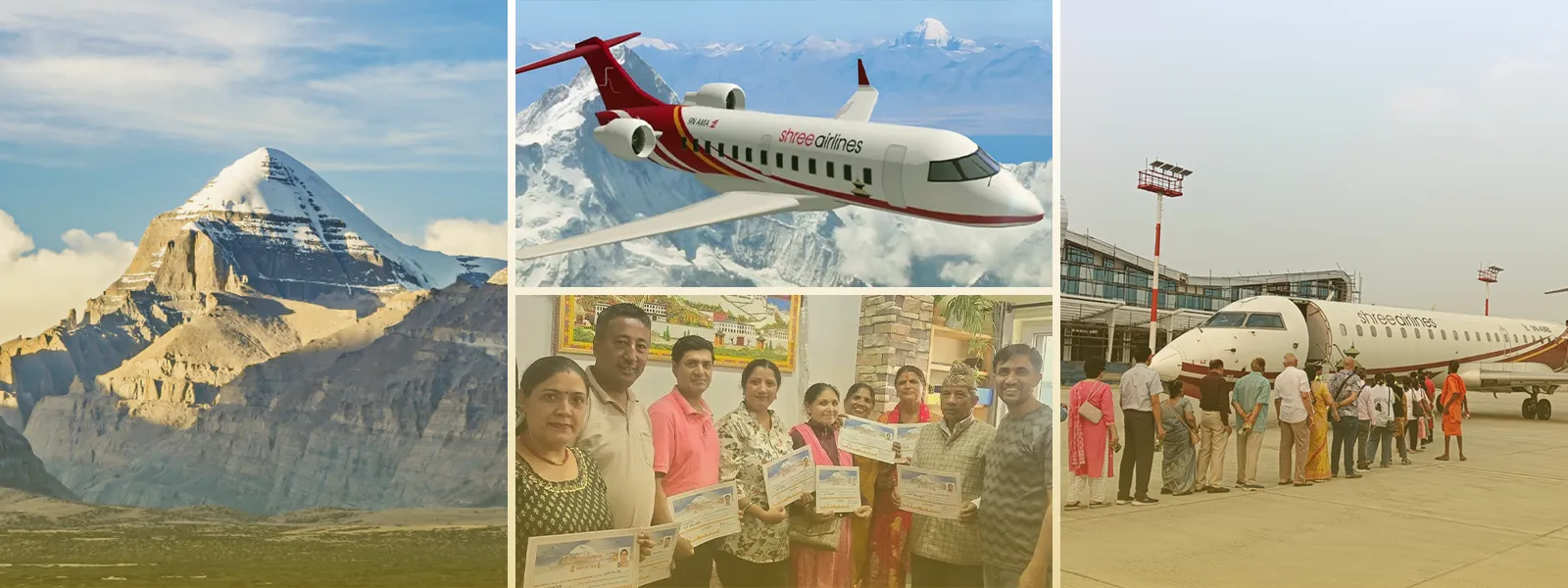
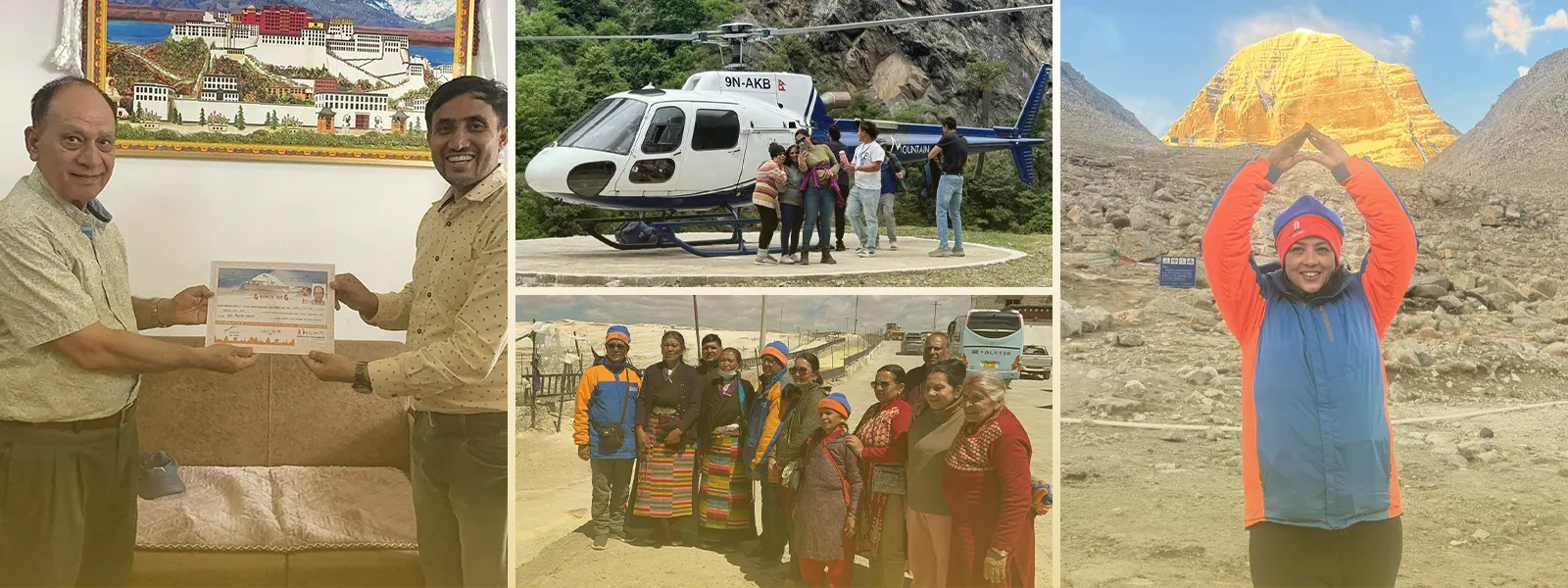
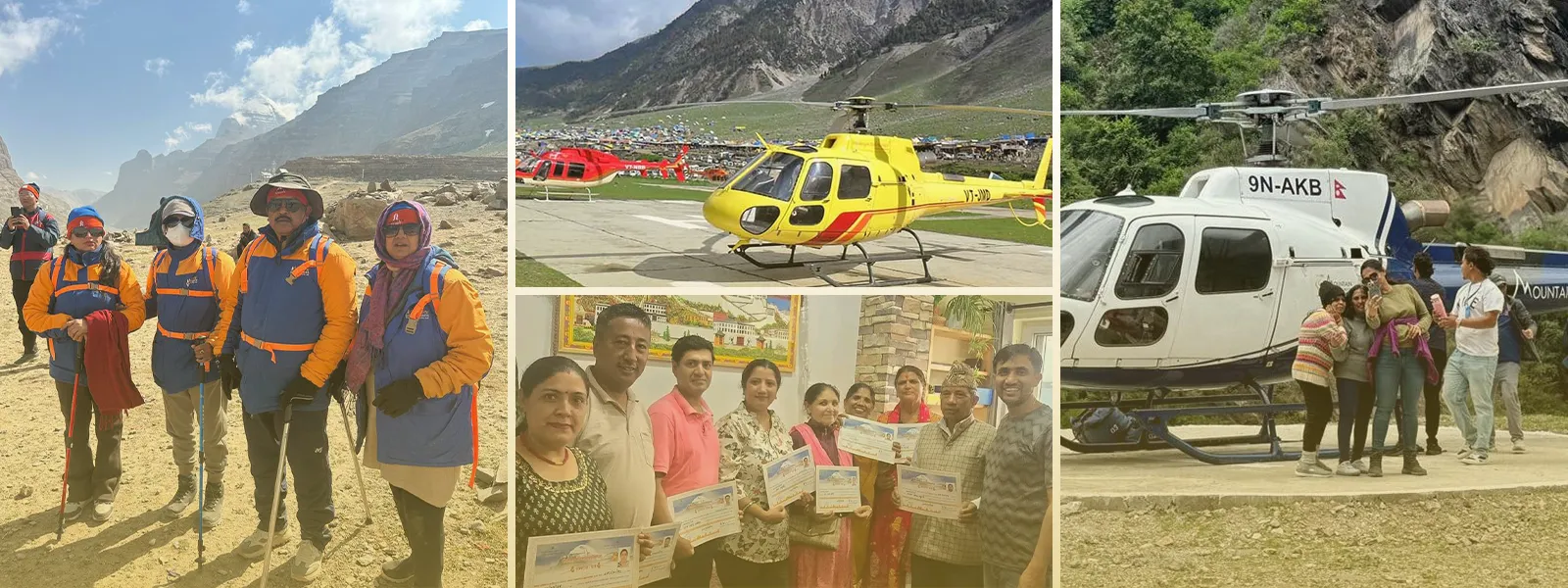
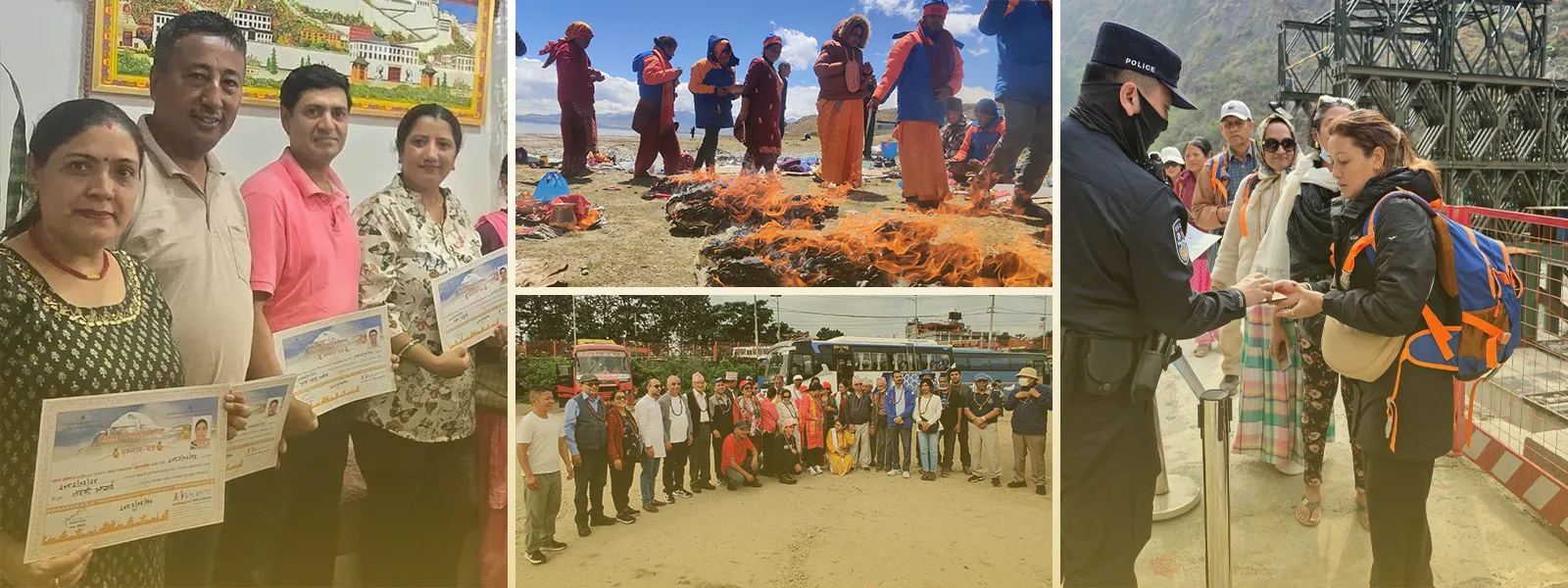
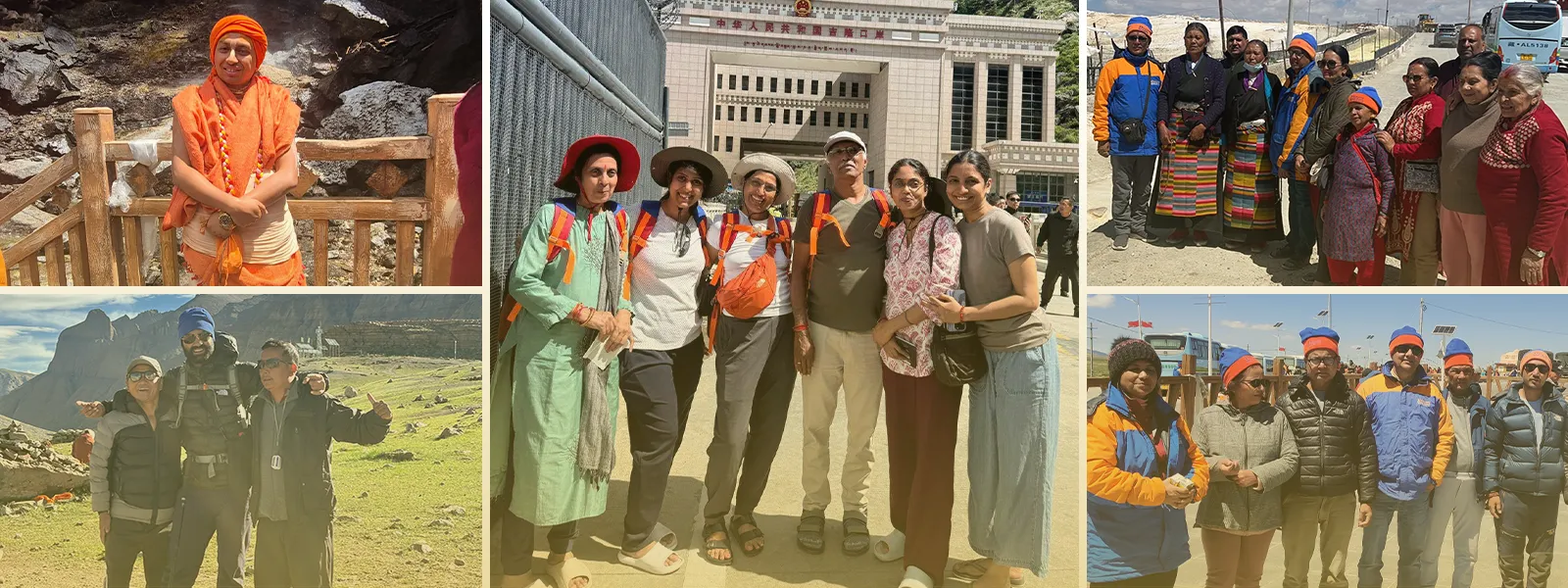
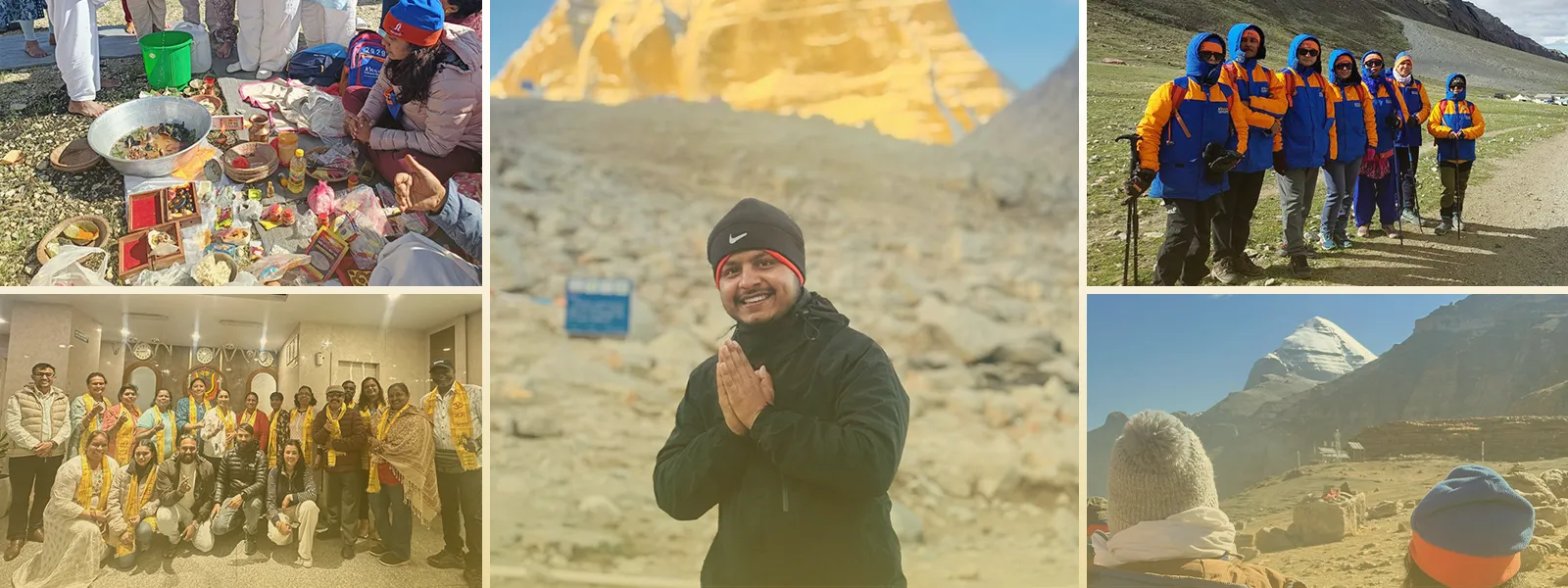
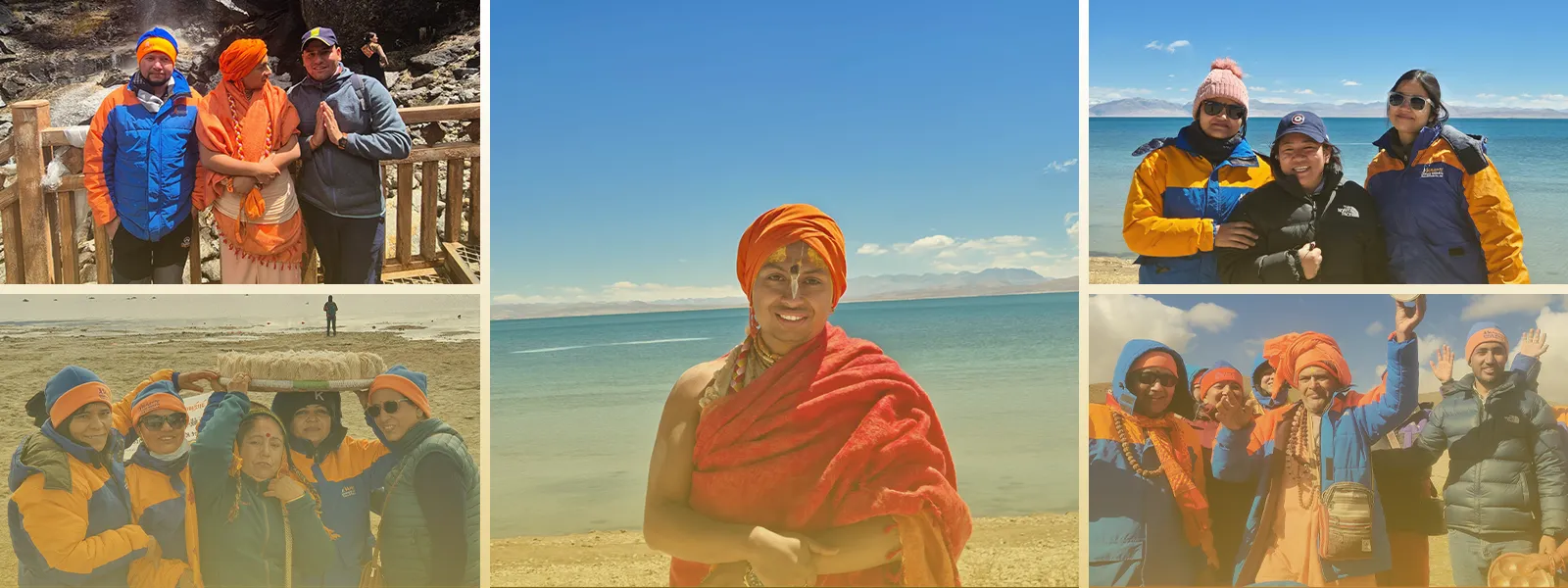
The 14-Day Kailash Mansarovar Yatra via Lhasa is a deeply meaningful pilgrimage designed for travelers seeking the complete blessings of Mount Kailash and Lake Manasarovar in a well-paced format. This journey begins in Kathmandu, transitions smoothly by flight to Lhasa, and leads pilgrims overland through western Tibet's most iconic landscapes. By avoiding the long, exhausting driving days from the Nepal border, this route offers a smoother, premium entry into the high-altitude plateau.
This tour is carefully structured for those who wish to combine deep spiritual experiences with proper altitude adjustment. With sacred moments at Pashupatinath, a vehicle circuit of Lake Manasarovar, and the full 3-day holy Kora around Mount Kailash during the auspicious Horse Year, the journey offers a powerful pilgrimage experience.
Important Note: All required physical documents, including original passports and photos, must be submitted to our team in Kathmandu on Day 1. This is necessary to complete the visa and permit processing on time and to ensure that all travel formalities are arranged smoothly before boarding your flight to Tibet.
Kailash Mansarovar Yatra Route via Lhasa and Ali Gunsa
The journey begins with arrival in Lhasa, where pilgrims are welcomed and transferred to the hotel for rest and acclimatization. As Lhasa lies at a high altitude, the first part of the tour allows the body time to adjust while also offering a gentle introduction to the spiritual atmosphere of Tibet.
After a day of spiritual and cultural exploration in Lhasa, the journey continues by flight to Ali Gunsa, one of the main gateways to the Kailash region. This flight-based route helps reduce travel time while still allowing pilgrims to experience the beauty and remoteness of western Tibet.
From Ali Gunsa, the pilgrimage continues overland to the sacred shores of Lake Manasarovar, where pilgrims can offer prayers, perform rituals, and experience the divine atmosphere of one of the holiest lakes in the world. The journey then continues to Darchen, the traditional base camp for Mount Kailash.
A special visit to Yam Dwar allows pilgrims to receive holy darshan of Mount Kailash before the return journey begins. After this sacred experience, pilgrims travel back to Ali Gunsa, fly to Lhasa, and conclude the journey with departure from the historic capital of Tibet.
Choosing the right itinerary is the first step toward a transformative pilgrimage. Compare all routes and durations to find the path that perfectly balances your comfort, physical preparation, and spiritual goals."
Important Visa and Document Process
For this yatra, pilgrims must submit all necessary documents well in advance before the tour starts. Since travel to Tibet requires visa approval and multiple official permits, the documentation process must be completed early to avoid delays or complications later.
Advance submission helps ensure that the required travel permissions are processed smoothly before arrival. It also allows the tour arrangements to be finalized properly, giving pilgrims a more comfortable and well-organized start to the journey. For an exhaustive, step-by-step breakdown of the paperwork involved, read through our guide on the tibet permit process for this tour.
It is important for travelers to provide correct and complete documents within the requested time frame. Timely submission plays a major role in the successful handling of the visa process and helps the pilgrimage proceed as planned.
Spiritual Importance of Lake Manasarovar and Mount Kailash
The arrival at Lake Manasarovar is one of the most sacred and emotional moments of the yatra. Revered in Hinduism, Buddhism, Jainism, and the Bon religion, the lake is considered one of the holiest places in the world and is deeply connected with purity, devotion, and spiritual blessing.
Pilgrims may offer prayers, perform personal rituals, collect holy water, and spend peaceful moments by the sacred lakeshore. The calm waters, high Himalayan setting, and powerful silence of the region create an atmosphere that feels both peaceful and spiritually uplifting.
Mount Kailash is regarded as one of the most sacred mountains on earth and is believed in Hindu tradition to be the abode of Lord Shiva and Goddess Parvati. In Buddhism, Jainism, and Bon religion as well, the mountain is honored as a divine and spiritually powerful place.
Although this shorter journey does not include the full Kailash Parikrama, the darshan of Mount Kailash from the sacred region around Yam Dwar remains a deeply meaningful experience. For many pilgrims, even a glimpse of Kailash is considered a blessing of great spiritual value. If your schedule allows and you prefer a shorter 10-day journey? See this package for an overland route focused directly on the core darshan.
Spiritual and Cultural Experience in Lhasa
Lhasa adds a rich spiritual and cultural dimension to this pilgrimage and offers pilgrims the chance to begin their journey in the heart of Tibetan civilization. As one of the most revered cities in Tibet, Lhasa is filled with sacred monuments, living traditions, and a peaceful devotional atmosphere.
The visit to Potala Palace offers a glimpse into the grandeur of Tibetan history, religion, and architecture. This iconic landmark stands as one of the most remarkable symbols of Tibetan Buddhism and creates a memorable beginning to the journey.
Pilgrims also visit the sacred Jokhang Temple, one of the holiest sites in Tibetan Buddhism, where the atmosphere of prayer and devotion is especially moving. A walk through Barkhor Street adds another layer to the experience, revealing the rhythm of local life, faith, and traditional culture.
Acclimatization and Altitude Management
Since this yatra takes pilgrims to high-altitude regions such as Lhasa, Ali Gunsa, Lake Manasarovar, and Darchen, proper acclimatization is very important. The journey begins with time to rest in Lhasa so that the body can adjust gradually before moving to even higher elevations.
The stay in Ali Gunsa also plays an important role in helping pilgrims adapt to the thinner air of western Tibet. Although this itinerary is shorter and more flight-based, the altitude remains a major factor throughout the pilgrimage.
Pilgrims are advised to stay well-hydrated, avoid overexertion, eat light meals, and move slowly during the journey. Even simple activities at high altitude can feel more demanding, so careful pacing and proper rest are essential.
It is also important to watch for symptoms such as headache, dizziness, nausea, or breathlessness. A calm pace, timely rest, and good communication with the support team can make the pilgrimage safer and more comfortable.
Best Time for Kailash Mansarovar Yatra
The best time to undertake the Kailash Mansarovar Yatra is usually during May, June, September, and October. These months generally offer clearer skies, more stable weather, and better travel conditions for both flights and overland pilgrimage activities.
During this period, pilgrims can enjoy better mountain visibility, more pleasant daytime conditions, and a smoother travel experience across Tibet. Since the journey includes high-altitude flights, sacred lake visits, and remote overland sections, weather plays an important role in overall comfort.
These months also bring a more vibrant spiritual atmosphere to the Kailash region, as many pilgrims choose this period for their holy journey. Clearer conditions often make the darshan of Lake Manasarovar and Mount Kailash even more memorable.
The monsoon season is usually less favorable for connected travel arrangements and regional access, especially for those combining Nepal or other nearby sectors. For a smoother and more reliable pilgrimage, most travelers prefer the clearer seasonal windows.
Fitness Requirement for Kailash Mansarovar Tour
Although this is a shorter and more accessible itinerary, pilgrims still need a reasonable level of physical fitness. The high altitude, remote terrain, and rapid movement between different elevations make basic health and stamina very important for a comfortable journey.
Pilgrims are advised to begin light preparation before the tour, including walking, breathing exercises, and general stamina-building activities. Even though the journey does not include the full Kailash Kora, the altitude itself can feel demanding and should not be underestimated. To review specific criteria on medical waivers and baseline testing, please refer to our comprehensive fitness and health requirements.
Mental preparedness is also important during this pilgrimage. Travelers who approach the journey with patience, calmness, and realistic expectations are more likely to enjoy a smoother and more meaningful spiritual experience.
Those with heart problems, severe respiratory conditions, or other major health concerns should consult a doctor before planning the yatra. Medical readiness is essential for safe travel in the high Himalayan region.
Accommodation during Kailash Mansarovar Tour
Accommodation throughout the Kailash Mansarovar Yatra is arranged with care to provide comfort, rest, and reassurance at every stage of the journey. In Lhasa, pilgrims can enjoy quality hotel stays with comfortable rooms, proper meals, and essential facilities before and after the main pilgrimage section.
In Ali Gunsa, Lake Manasarovar, and Darchen, stays are arranged at carefully selected hotels and the finest available accommodation options in each location. As the journey moves into more remote parts of western Tibet, amenities naturally become more limited than in major cities. Reviewing the tier options and upgrades under our see full pricing details page will help you select the level of comfort that best supports your rest.
Every effort is made to ensure a smooth, restful, and well-managed stay throughout the tour. The focus remains on comfort, cleanliness, and supportive arrangements so that pilgrims can relax properly after each stage of the journey.
The remote nature of the Kailash region is part of what makes the pilgrimage so special and spiritually powerful. Pilgrims are encouraged to embrace the simplicity of these sacred surroundings while enjoying the best possible comfort available along the route.
Nature of the Journey
This 14-day Kailash Mansarovar Yatra via Lhasa is a beautifully structured pilgrimage that combines deep spiritual devotion, scenic high-altitude flight travel, rugged overland driving, and a challenging trekking adventure. It is especially suitable for travelers who want to experience the complete physical Kora (Parikrama) around Mount Kailash while enjoying a comfortable acclimatization process through Tibet's historic capital.
The route perfectly blends the cultural richness of Lhasa with the remote holiness of western Tibet. From crossing the Khamba La Pass and witnessing the turquoise Yamdrok Lake to driving along the grand Brahmaputra River, the changing surroundings make the journey visually spectacular and spiritually uplifting from beginning to end.
The pilgrimage reaches its ultimate emotional and physical peak during the sacred rituals at Lake Manasarovar and the demanding 22 km trek over Dolma La Pass. These profound moments, combined with the peaceful atmosphere of the plateau, create a strong sense of devotion, gratitude, and inner calm. By the end of the tour, pilgrims return home with their official completion certificate and a lasting connection to the grace of Mahadev.
Age Restriction and Health Consideration
The Kailash Mansarovar Yatra is generally suitable for pilgrims between 12 and 70 years of age, although actual participation may depend on health condition, travel regulations, and operator requirements. Since the journey includes high-altitude travel, medical fitness remains very important even on a shorter itinerary.
Pilgrims with heart conditions, severe breathing difficulties, or other serious medical concerns should seek professional medical advice before planning the journey. Older travelers are also advised to join only after proper consultation and with a clear understanding of the altitude factor.
Age alone is not the only deciding point for this pilgrimage, as overall fitness and preparedness matter just as much. With good planning, timely rest, and proper support, many pilgrims are able to complete the journey safely and comfortably.