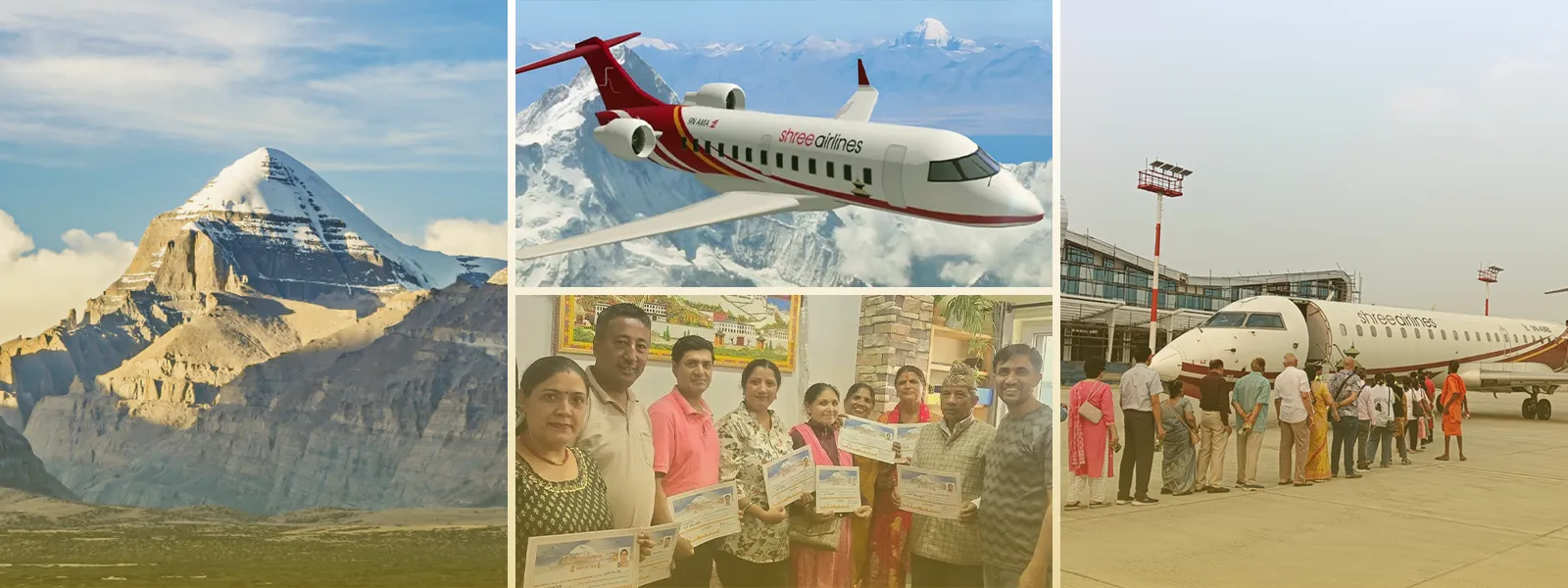
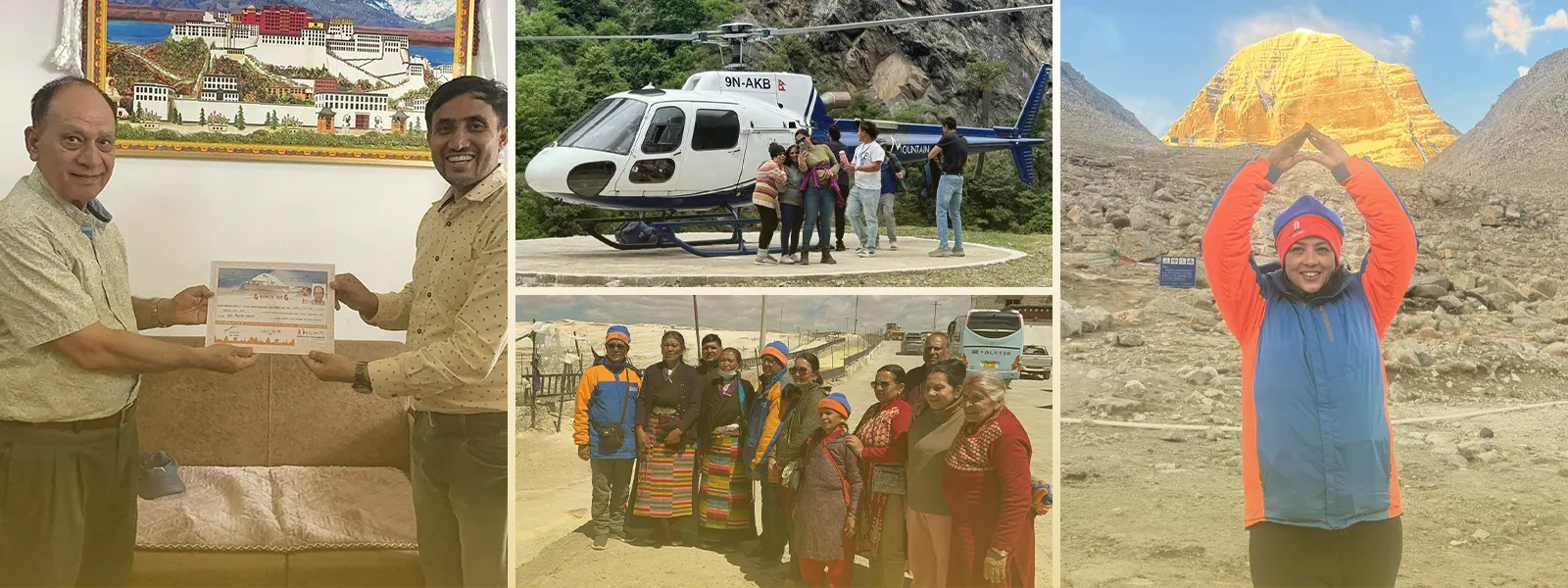
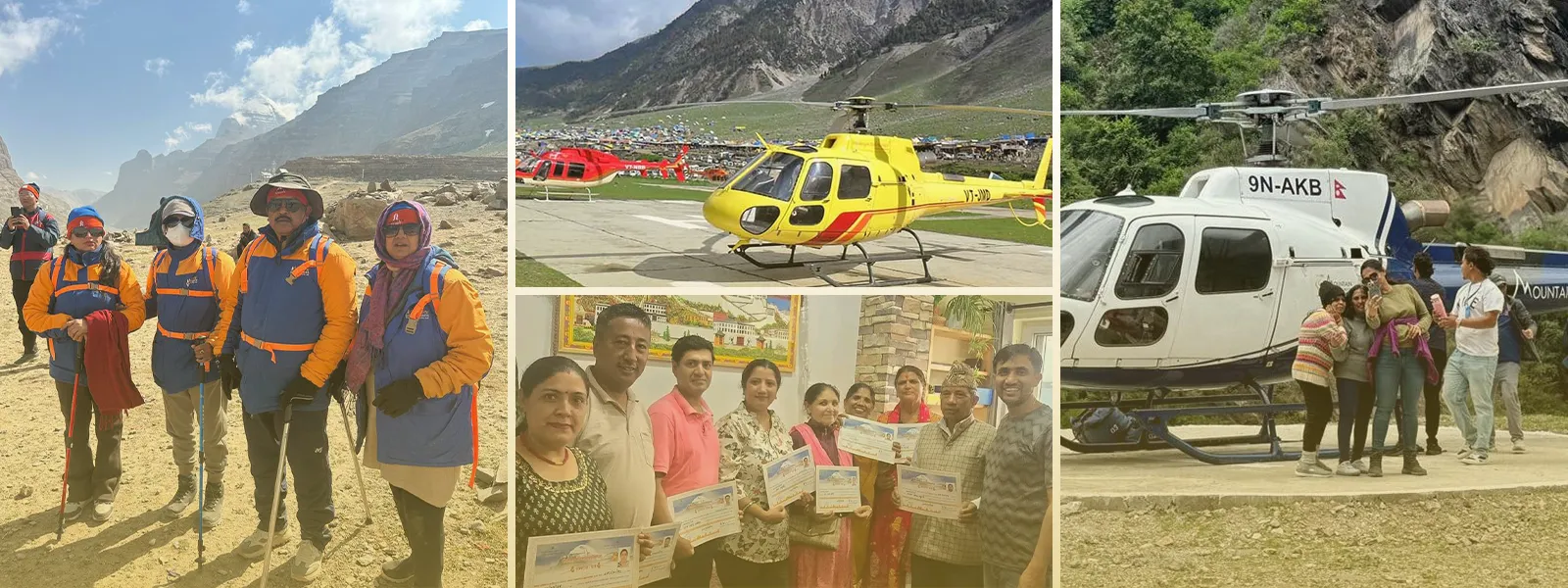
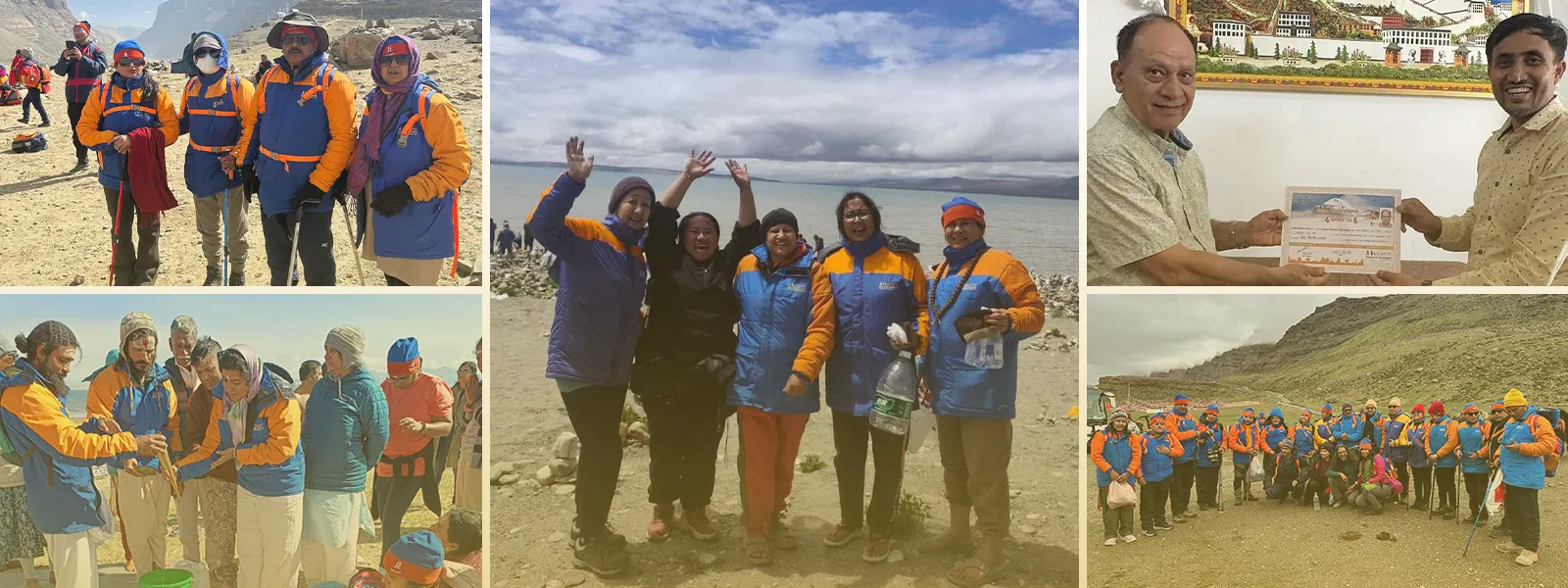
The Kailash Mansarovar Yatra via Lhasa is a sacred journey that combines pilgrimage, natural beauty, and cultural discovery in one unforgettable experience. This 17-day tour begins with rich spiritual visits in Kathmandu, Bhaktapur, and Chandragiri, flies directly to the historic city of Lhasa, and continues overland through Tibet to Lake Manasarovar and Mount Kailash.
This journey is designed for pilgrims who wish to experience the spiritual blessings of Kailash Mansarovar along with the unique cultural heritage of Tibet. With careful time built in for preparation, proper altitude acclimatization, sacred lakeside rituals, the holy Kailash Parikrama, and iconic sightseeing in Lhasa, the tour offers a complete, balanced, and deeply rewarding experience.
Kailash Mansarovar Yatra Route from Nepal
The journey begins in Kathmandu, where pilgrims arrive, complete document formalities, and prepare for the sacred pilgrimage ahead. The first few days are kept for visa processing, yatra briefing, orientation, and spiritual preparation, allowing travelers to begin the journey in a calm and organized way.
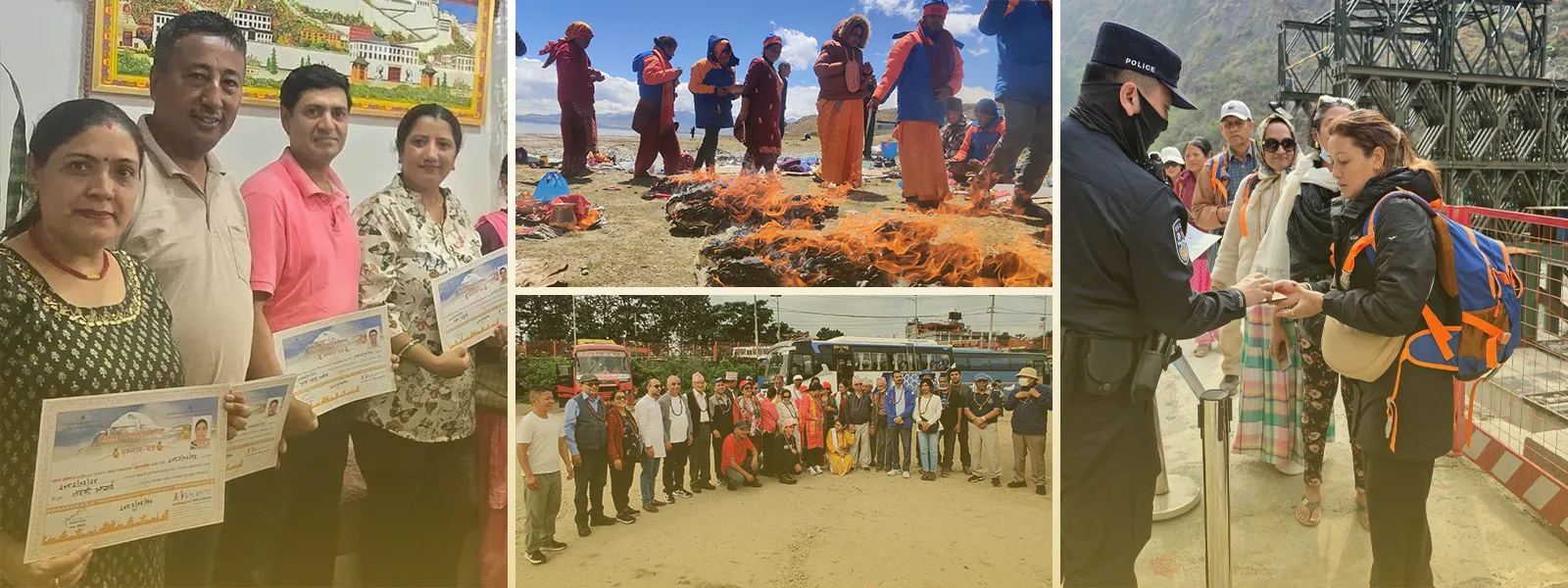
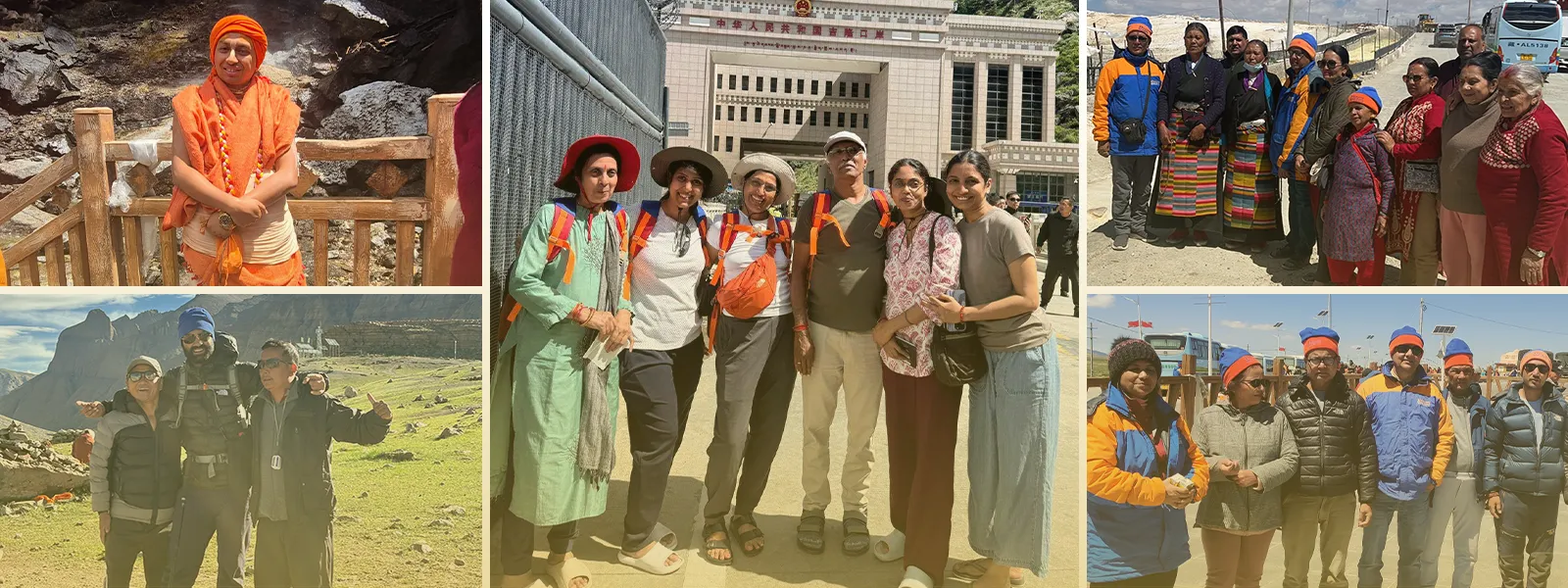
From Kathmandu, the overland route continues to Syabrubesi and then toward the Rasuwagadhi border, where pilgrims complete immigration formalities and enter Tibet. After crossing into Tibet, the journey continues to Kyirong, which becomes the first major stop for adjustment and rest in the Tibetan region.
From Kyirong, the pilgrimage moves onward through Saga and across the vast Tibetan plateau toward the holy shores of Lake Manasarovar. After spiritual activities at the lake and final preparation in Darchen, pilgrims begin the sacred Kailash Kora, which is the spiritual heart of the journey.
After completing the parikrama, the route continues through Saga, Singhate, and onward to Lhasa, where the journey takes on a rich cultural dimension. Following sightseeing in Lhasa, the return route follows back through Singhate, Kyirong, and finally to Kathmandu, completing a spiritually and culturally fulfilling tour.
Looking for a quicker option? If you prefer a shorter 10-day journey, you can see this package.
Spiritual Preparation in Kathmandu
Kathmandu is not only the gateway to Kailash Mansarovar but also an important place for inner preparation before the pilgrimage begins. The first few days here allow pilgrims to settle in, complete formalities, and begin the journey in a peaceful and spiritually focused atmosphere.
The yatra briefing and orientation session play an important role in preparing travelers for the days ahead. Pilgrims receive guidance on travel procedures, packing, altitude awareness, and other important details, helping them feel ready and confident before entering the high Himalayan region. To understand what documentation needs to be submitted well ahead of time, read about the tibet permit process for this tour.
The spiritual visits in Kathmandu add deeper meaning to the beginning of the journey. Time spent at sacred temples and holy places allows pilgrims to pray, reflect, and gradually prepare their minds and hearts for the blessings of Mount Kailash and Lake Manasarovar.
Spiritual Importance of Lake Manasarovar and Mount Kailash
The arrival at Lake Manasarovar is one of the most sacred and emotional moments of the pilgrimage. Revered by Hindus, Buddhists, Jains, and followers of Bon, the lake is considered one of the holiest places in the world and is deeply associated with purity, peace, and spiritual blessing.
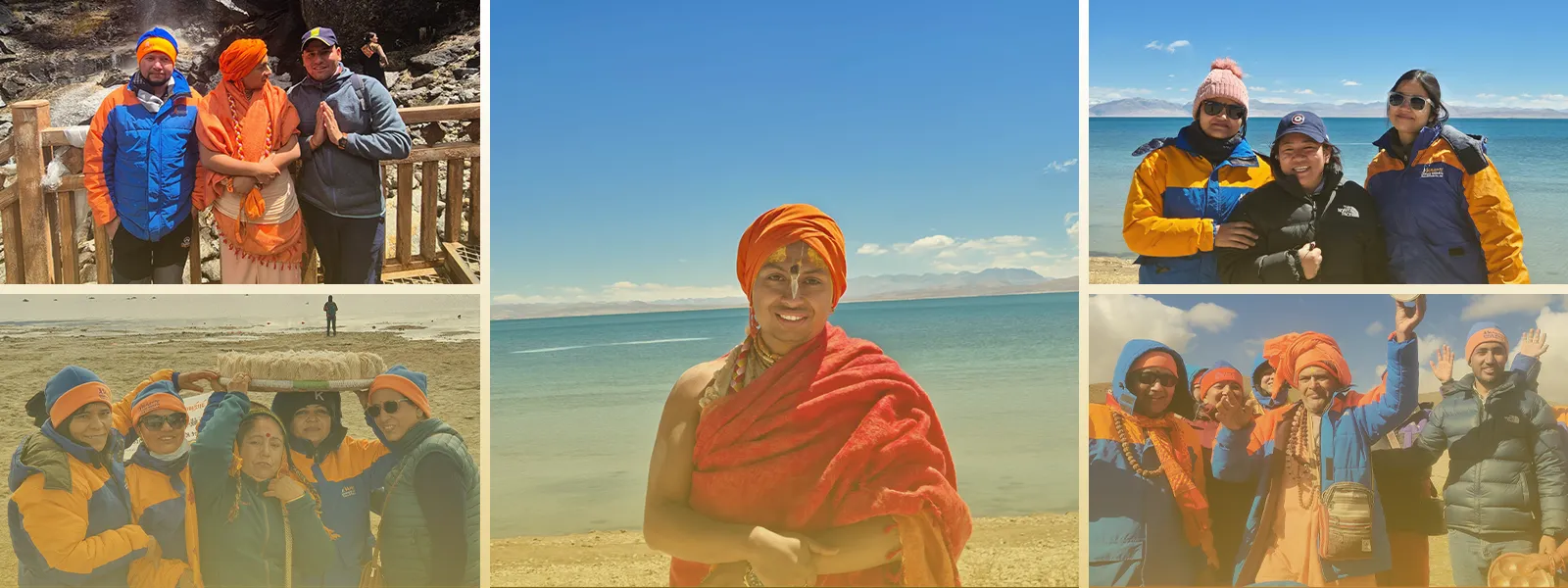
Pilgrims may offer prayers, collect holy water, and take part in sacred rituals near the lake, depending on conditions and personal comfort. The serene surroundings, the sacred atmosphere, and the views of Mount Kailash make this one of the most memorable experiences of the entire yatra.
Mount Kailash is believed in Hindu tradition to be the abode of Lord Shiva and Goddess Parvati. In Buddhism, Jainism, and Bon religion as well, the mountain holds profound spiritual importance and is honored as a divine center of great religious significance.
Unlike other mountains, Mount Kailash is not climbed but worshipped through the sacred Parikrama or Kora. Pilgrims believe that completing this holy circuit helps cleanse past karma, purify the soul, and bring deep spiritual merit and inner transformation.
Kailash Parikrama
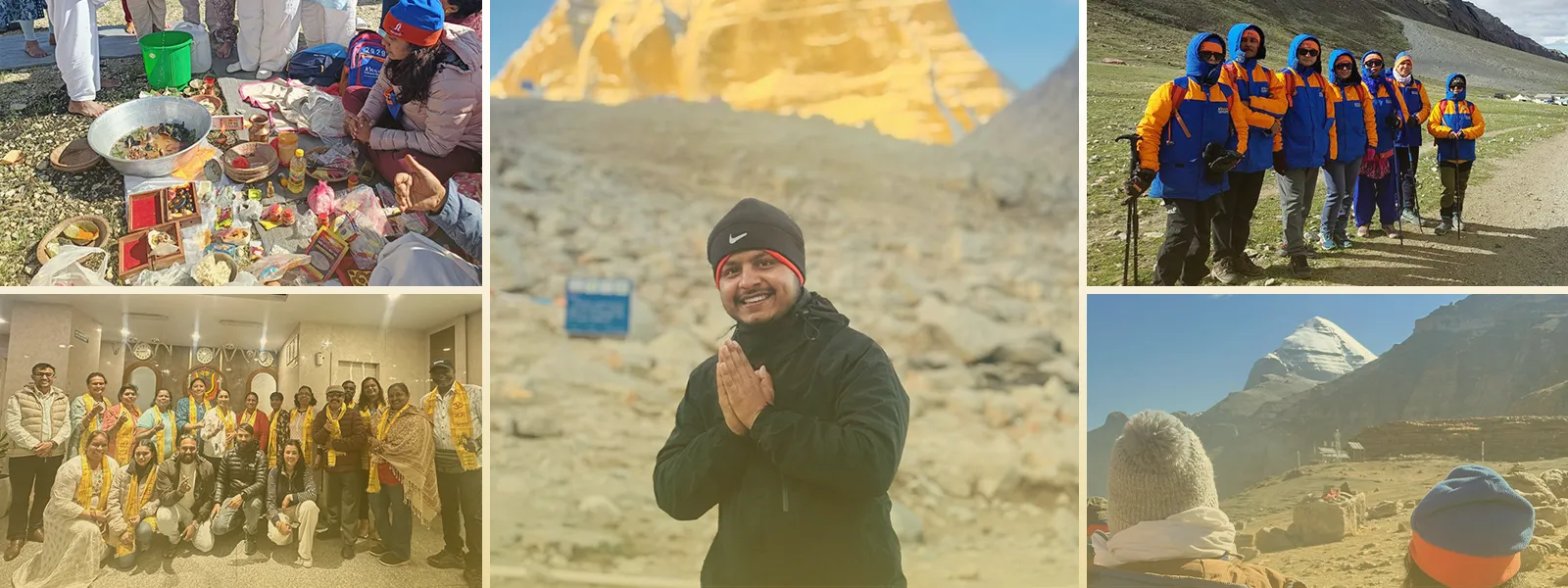
The Kailash Parikrama is the most sacred part of the entire journey and the main purpose of the pilgrimage for many devotees. It begins from Yam Dwar, where pilgrims start the holy trek around Mount Kailash with faith, devotion, and a deep sense of spiritual purpose.
The first trekking day leads to Dirapuk, where pilgrims enjoy close and powerful views of the north face of Mount Kailash. This part of the journey is peaceful and deeply moving, offering one of the most intimate and unforgettable darshans of the holy mountain.
The next stage, from Dirapuk to Zuthulpuk via Dolma La Pass, is the most challenging section of the Kora. Pilgrims cross the high Dolma La Pass and pass sacred places such as Gauri Kund, making this day both physically demanding and spiritually powerful.
The final stretch of the Kora brings pilgrims back toward Darchen, marking the completion of the holy parikrama. For many, finishing the Kailash Kora is not only a physical achievement but also a moment of deep gratitude, inner peace, and spiritual fulfillment.
Acclimatization and Altitude Management
Since this pilgrimage reaches very high altitudes, proper acclimatization is extremely important for a safe and comfortable journey. The route is planned in a gradual way, beginning from Kathmandu and moving step by step through Kyirong, Saga, Lake Manasarovar, and Darchen before the higher trekking section begins.
The stay in Kyirong is especially valuable because it gives the body time to adjust after entering Tibet. As the journey continues across the plateau, the altitude increases steadily, making it important for pilgrims to rest well, stay hydrated, and avoid unnecessary physical strain.
The trekking days around Mount Kailash, especially while crossing Dolma La Pass, require extra care and patience. Pilgrims are advised to walk slowly, keep a steady pace, and remain aware of how their bodies respond to the high altitude and physical demands.
It is also important to watch for symptoms such as headache, dizziness, nausea, or breathlessness during the yatra. A well-paced journey, proper rest, and timely communication with the support team can make a great difference in ensuring a smoother pilgrimage experience.
Best Time for Kailash Mansarovar Yatra
The best time for the Kailash Mansarovar Yatra is generally during March, April, May, June, September, and October. These months usually offer clearer skies, more stable weather, and better road and trekking conditions for the pilgrimage.
During this period, pilgrims can enjoy better visibility of the mountains, more pleasant travel conditions, and a smoother experience across the overland route. Since the journey includes long drives, high-altitude stays, sacred lake visits, and trekking, weather plays a very important role.
Many pilgrims also prefer these months because the spiritual atmosphere around Kailash feels especially vibrant during the main travel season. The presence of other devotees, prayer flags, and clear views of the sacred landscape make the experience even more memorable.
The monsoon period, especially July and August, is generally less favorable on the Nepal side. Landslides, road disruptions, and weather-related delays are more common during this time, which can make the overall journey less predictable. As you plan your travel window, it is wise to compare all routes and durations to find the itinerary that best fits your travel style.
Fitness Requirement for Kailash Mansarovar Trek
The Kailash Mansarovar pilgrimage requires a good level of physical fitness because of the high altitude, long travel days, and demanding trekking conditions. Even though much of the route is completed by vehicle, the parikrama itself requires strength, stamina, and mental preparedness.
Pilgrims are advised to start preparing at least two to three months before the journey. Regular walking, hiking, stair climbing, breathing exercises, yoga, and light cardio can help improve endurance and make the yatra more comfortable.
Special attention should be given to the trekking section between Dirapuk, Dolma La Pass, and Zuthulpuk, as this is the most physically demanding part of the pilgrimage. Better preparation can help pilgrims complete the route more confidently and with greater ease.
Mental readiness is also just as important as physical fitness on this journey. Patience, discipline, and a calm approach help pilgrims adapt more easily to the altitude, long drives, and simple conditions of this sacred Himalayan pilgrimage.
Accommodation during Kailash Mansarovar Tour
Accommodation throughout the Kailash Mansarovar Yatra is arranged with care to provide comfort, rest, and reassurance at every stage of the journey. In Kathmandu and Lhasa, pilgrims can enjoy quality hotel stays with comfortable rooms, proper meals, and essential facilities before, during, and after the main pilgrimage section.
Along the overland route, stays are arranged at carefully selected hotels and the finest available accommodation options in each location. As the journey continues into the remote and high-altitude regions of Tibet, amenities naturally become more limited than in major cities, while comfort and smooth coordination remain a priority.
Every effort is made to provide a restful and well-managed stay throughout the pilgrimage. The focus remains on cleanliness, comfort, and proper support so that travelers can relax and recover well after each day of the journey.
During the Kailash Parikrama, accommodation becomes simpler due to the remote terrain and sacred nature of the region. Pilgrims are encouraged to accept this simplicity as part of the spiritual experience, while all essential arrangements are made for proper rest and recovery.
Lhasa Cultural Experience
One of the most special features of this journey is the inclusion of Lhasa, the spiritual and cultural heart of Tibet. After completing the sacred Kailash Parikrama, pilgrims continue to Lhasa, where the journey expands into a rich experience of Tibetan history, architecture, and living tradition.
In Lhasa, pilgrims visit world-famous landmarks such as Potala Palace and Jokhang Temple, both of which hold immense spiritual and historical importance. These sites offer a deeper understanding of Tibetan Buddhism and provide a meaningful cultural balance to the pilgrimage.
The journey also includes visits to Norbulingka Palace and the Tibet Museum, which reveal more about Tibet’s heritage, art, royal history, and religious life. These experiences add another layer of depth to the tour, making it more than a pilgrimage alone.
The Lhasa section allows pilgrims to slow down, reflect, and appreciate the wider spiritual and cultural world of Tibet. It creates a beautiful connection between the sacred journey around Kailash and the timeless heritage of Tibetan civilization.
Nature of the Journey
This 17-day sacred journey is a unique blend of pilgrimage, scenic overland travel, high-altitude adventure, and cultural exploration. From the spiritual atmosphere of Kathmandu to the holy landscapes of Kailash and the historic city of Lhasa, each stage of the tour offers something deeply meaningful.
The route passes through mountain roads, river valleys, Tibetan plateau landscapes, holy lakes, remote settlements, and ancient cultural centers. These changing surroundings make the journey visually rich and spiritually uplifting from beginning to end.
The pilgrimage reaches its emotional peak at Lake Manasarovar and during the Kailash Parikrama, while the Lhasa extension adds a thoughtful cultural and historical dimension. Together, these experiences create a tour that feels complete, balanced, and truly memorable.
This is not only a physical journey across the Himalayas but also a deeply personal and spiritual experience. By the end of the tour, many pilgrims return with a strong sense of peace, gratitude, and lasting connection to the sacred land they have visited. To see pricing for the various group sizes and tier inclusions for this specific package, you can see full pricing details.
Age Restriction and Health Consideration
The Kailash Mansarovar Yatra is generally suitable for pilgrims between 12 and 70 years of age, although actual participation may depend on health condition, travel regulations, and operator requirements. Because the journey includes high-altitude travel and physically demanding sections, medical fitness is very important.
Pilgrims with heart problems, serious respiratory issues, or other major health concerns should seek medical advice before planning the yatra. Older travelers are also advised to join only after proper medical consultation and with a clear understanding of the journey’s physical demands. To learn more about medical checks and preparing your body, review our comprehensive guide on fitness and health requirements.
Age alone is not the only deciding factor for this pilgrimage. With good preparation, responsible pacing, and the right support, many pilgrims are able to complete the journey safely and with a meaningful sense of achievement.


_38_11zon.webp)


_7_11zon.webp)


_43_11zon.webp)