Kailash Charan Sparsh Yatra 15 Days
Begin a spiritually enriching journey with the Kailash Mansarovar Yatra, one of the world’s most sacred pilgrimages, guiding you to the holy Mount Kailash and Lake Mansarovar.
The sacred journey to Mount Kailash and Lake Mansarovar is regarded as one of the most revered pilgrimages in the world, holding deep spiritual significance for followers of Hinduism, Buddhism, and Jainism. This divine yatra is not only a path of faith and devotion but also a challenging adventure through some of Asia’s most remote and breathtaking landscapes. Despite its reputation for difficulty, the overland route has become more accessible in recent years, thanks to improved road networks and transportation facilities across Tibet.
This 15-day spiritual expedition begins from Kathmandu and continues with a scenic drive towards Kyirong, crossing the Nepal–Tibet border at Rasuwagadhi. As the journey progresses through the vast Tibetan plateau via Saga, travelers are rewarded with mesmerizing views of snow-capped peaks, serene blue lakes, and endless highland plains. The route ultimately leads to the holy Lake Mansarovar and the majestic Mount Kailash, offering a once-in-a-lifetime experience that beautifully blends spirituality with adventure.
15 Days / 14 Nights
5630m
3-Star Hotel & Guesthouse
Included
The Kailash Mansarovar Yatra via Nepal is a sacred and unforgettable journey for pilgrims seeking the blessings of Mount Kailash and Lake Manasarovar. This 15-day pilgrimage begins in Kathmandu, crosses into Tibet through Kerung, and continues through some of the most spiritual and beautiful landscapes in the Himalayas.
The journey includes time for spiritual preparation in Kathmandu, gradual altitude adjustment, and meaningful experiences at important sacred sites. With prayers, rituals, scenic overland travel, and the holy Kailash Parikrama, it offers a deeply fulfilling pilgrimage for devotees of Lord Shiva.
The Kailash Mansarovar Yatra from Nepal follows the popular overland route through Kerung, offering a smooth and well-paced path toward the sacred Kailash region. The journey begins in Kathmandu, where pilgrims are welcomed and given time to rest, complete formalities, and prepare for the pilgrimage ahead.
After the spiritual and practical preparations in Kathmandu, the route continues toward the Nepal-Tibet border through beautiful hills, river valleys, and mountain settlements. Once immigration formalities are completed, pilgrims enter Tibet and continue onward to Kerung, where the next phase of the journey begins. If you are trying to decide which path is right for you, you can compare all routes and durations to see the differences between the overland and flight-based options.
From Kerung, the yatra gradually moves across the vast Tibetan plateau through Saga and onward to Lake Manasarovar. After spending time at the holy lake and completing sacred rituals, the journey continues to Darchen, which serves as the base for the Kailash Parikrama. The parikrama then takes pilgrims through Yamadwar, Dirapuk, Dolma La Pass, Gauri Kund, and Zutulphuk before the return journey begins. The route then leads back through Saga, Kerung, and finally to Kathmandu, completing a spiritually rich and well-structured pilgrimage.
Kathmandu is not only the starting point of the yatra but also an important place for spiritual preparation. Before the overland journey begins, pilgrims spend meaningful time in Nepal’s sacred capital, where the atmosphere of devotion helps prepare the mind and heart for Kailash. One of the special highlights is the opportunity to attend the evening Aarati at Pashupatinath Temple. Witnessing this sacred ceremony on the banks of the Bagmati River creates a powerful spiritual feeling and offers a beautiful beginning to the pilgrimage.
During this time, we also manage the essential paperwork; you can learn more about the specific tibet permit process for this tour to ensure your documents are ready for the border crossing.
The arrival at Lake Manasarovar is one of the most emotional and spiritually uplifting moments of the yatra. Revered in Hinduism, Buddhism, Jainism, and the Bon religion, the lake is considered one of the holiest places in the world and fills pilgrims with peace and devotion.
Pilgrims may perform holy bath rituals, prayers, and puja near the lake, depending on weather and physical condition. The calm waters, open sky, and divine setting make this part of the journey especially meaningful and memorable for every devotee.
Mount Kailash is regarded as one of the most sacred mountains in the world and is believed to be the abode of Lord Shiva and Goddess Parvati. In other faiths too, the mountain holds deep spiritual importance and is worshipped as a divine center of the universe.
Unlike other mountains, Mount Kailash is not climbed but honored through the sacred Parikrama or Kora. Pilgrims believe that completing this holy circuit helps cleanse the soul, remove past karma, and bring spiritual merit and inner peace.
The Kailash Parikrama is the most sacred and unforgettable part of the entire pilgrimage. It begins from Yamadwar, the holy gateway, from where pilgrims start the spiritual walk around Mount Kailash.
The first stage of the trek leads to Dirapuk, where pilgrims are rewarded with breathtaking views of the north face of Mount Kailash.
A special feature of this pilgrimage is the Charan Sparsh experience from Dirapuk, where conditions permitting, pilgrims may go further for a closer darshan of Mount Kailash.
The most challenging section comes while crossing Dolma La Pass, the highest point of the yatra. Along the way, pilgrims also pass sacred places like Shivastal and Gauri Kund, which add deep religious significance to this physically demanding but spiritually rewarding day. For those looking for a tighter schedule, prefer a shorter 10-day journey? See this package for a faster-paced alternative.
Since the Kailash Mansarovar Yatra takes pilgrims to very high altitudes, proper acclimatization is essential throughout the journey. The route has been planned with gradual elevation gain, allowing the body time to adjust as the pilgrimage moves from Kathmandu to Tibet.
The stay in Kerung is especially important for rest and altitude adjustment after entering Tibet. This part of the journey helps pilgrims prepare for the higher regions ahead, including Saga, Lake Manasarovar, Darchen, and the parikrama route.
Even with a well-paced itinerary, high altitude can still be physically demanding for many travelers. Pilgrims are advised to stay hydrated, walk slowly, eat light meals, and avoid overexertion, especially during the trekking days and while crossing Dolma La Pass.
It is also important to remain alert to symptoms such as headache, nausea, dizziness, or breathlessness. Proper rest, steady pacing, and timely communication with the support team play a very important role in ensuring a safe and comfortable pilgrimage experience.
The best time to undertake the Kailash Mansarovar Yatra is generally during March, April, May, June, September, and October. These months usually offer more stable weather, clearer skies, and better travel conditions for both the overland journey and the sacred parikrama.
During this period, pilgrims can enjoy better mountain views, smoother road travel, and a more comfortable overall experience. Since the journey includes high-altitude travel, lake rituals, and trekking, pleasant weather greatly improves the quality and safety of the pilgrimage.
Many pilgrims also prefer traveling during spiritually significant periods, when the atmosphere around Kailash feels even more devotional and vibrant. The sense of faith, prayer, and sacred energy becomes stronger when shared with pilgrims from different places.
The months of July and August are usually less preferred because of monsoon-related challenges on the Nepal side. Landslides, road blockages, and travel delays are more common during this time, making the journey less predictable.
The Kailash Mansarovar Yatra requires a good level of physical fitness, even though much of the route is completed by vehicle. High altitude, long travel days, cold weather, and demanding trekking sections make physical preparation very important.
Pilgrims are advised to start preparing at least two to three months in advance. Activities such as walking, stair climbing, and breathing exercises can help improve stamina. For a more detailed breakdown of how to prepare your body, check our fitness and health requirements guide.
Accommodation throughout the yatra is arranged with care. In Kathmandu, pilgrims can enjoy quality hotel stays with comfortable rooms and proper meals. Beyond Kathmandu, stays are arranged at carefully selected hotels and the finest available guesthouses.
During the Kailash Parikrama, accommodation becomes simpler due to the remoteness of the region, focusing on providing essential rest and recovery.
Plan Your Budget: For information regarding the total investment for this trip, including stay and permits, you can see full pricing details.
The Kailash Mansarovar Yatra is a unique combination of spiritual pilgrimage, scenic overland travel, high-altitude adventure, and sacred trekking. Each stage of the journey offers a different experience, from temple visits in Kathmandu to the open landscapes of Tibet and the holy trail around Mount Kailash.
The overland drive forms an important part of the pilgrimage and reveals changing scenery throughout the route. Pilgrims travel through green hills, river valleys, border regions, vast plateaus, distant snow peaks, and peaceful high-altitude landscapes that make the journey visually extraordinary.
The spiritual highlights are beautifully spread across the entire pilgrimage. The evening Aarati at Pashupatinath, sacred rituals in Kathmandu, the holy waters of Manasarovar, and the first close darshan of Mount Kailash all make the experience deeply meaningful.
The final phase of the yatra, the Kailash Parikrama, becomes the spiritual peak of the journey. By the time pilgrims return from the Kora, they often carry a deep sense of peace, gratitude, and inner transformation that stays with them long after the pilgrimage ends.
The Kailash Mansarovar Yatra is generally recommended for pilgrims between 12 and 70 years of age, although participation may also depend on health condition, travel regulations, and operator requirements. Since the journey includes high-altitude travel and physically demanding sections, medical fitness is very important.
Pilgrims with heart problems, severe respiratory conditions, or other serious medical concerns should consult a doctor before planning the yatra. Older travelers are also advised to take part only after proper medical advice and with a clear understanding of the journey’s physical demands.
Age alone is not the only factor for this pilgrimage, as mental readiness and overall fitness also play a major role. With proper preparation, responsible pacing, and the right support, many pilgrims are able to complete the journey in a safe and meaningful way.
Travel to Tibet requires a Tibetan Group Visa and a Travel Permit, which are only issued to organized groups. All pilgrims must travel together as part of the approved group to complete the necessary paperwork. To ensure a smooth process, guests should arrive in Kathmandu a few days before the tour departure. This allows enough time for visa processing, permit collection, and any preparatory arrangements for the pilgrimage. Tour costs are based on current permit fees, transportation, and operational expenses. Any significant changes in fees or costs may lead to a revision of the tour price, which will be communicated to participants in advance.
A complete overview of your journey
Join an essential pre-journey briefing, then enjoy a relaxed introduction to Kathmandu with a local sightseeing experience
After breakfast, continue with the journey briefing and final preparations for the Kailash Yatra. Our team will provide important information regarding the route, altitude considerations, travel arrangements, and essential guidelines to help ensure a smooth and comfortable pilgrimage experience. After the briefing, head out for a gentle sightseeing tour around Kathmandu, offering your first glimpse into the city’s rich culture, vibrant surroundings, and spiritual atmosphere. This relaxed outing allows you to settle into Nepal’s capital while enjoying its unique blend of tradition, history, and local life. Later, return to the hotel and enjoy a restful overnight stay in Kathmandu.
Starting Point
Kathmandu
Max Altitude
1,340 M
Bus
30 KM
Hiking
0 KM
Ending Point
Kathmandu
Complete the required visa process, followed by a meaningful sightseeing tour of Kathmandu’
Today, the necessary visa formalities for the onward Tibet journey will be completed, ensuring that all travel arrangements are in place for the pilgrimage ahead. Once the formal process is finalized, continue with a spiritually enriching sightseeing tour of Kathmandu’s most revered religious landmarks. Visit the sacred Pashupatinath Temple, one of the most important Hindu shrines dedicated to Lord Shiva, followed by Boudhanath Stupa, a serene and iconic Buddhist monument known for its peaceful ambiance and spiritual significance. You will also visit the famous Budhanilkantha Temple, home to the remarkable reclining statue of Lord Vishnu. After this meaningful day of pilgrimage preparation and cultural exploration, return to the hotel for a comfortable overnight stay in Kathmandu.
Starting Point
Kathmandu
Max Altitude
1,340 M
Bus
30 KM
Hiking
0 KM
Ending Point
Kathmandu
Drive from Kathmandu to the Syabrubesi, Timure, or Dhunche, with scenic stops along the way
After breakfast, begin the overland journey from Kathmandu toward Syabrubesi, Timure, or Dhunche, depending on road conditions and the planned overnight halt. The drive takes you through beautiful countryside, winding mountain roads, terraced hillsides, and traditional villages, offering an authentic glimpse into rural Nepal. Along the way, there will be selected stops for refreshments, short breaks, and to enjoy the surrounding Himalayan scenery. As the journey gradually moves toward the northern frontier, the landscape becomes increasingly dramatic, setting the tone for the spiritual adventure ahead. Upon arrival at the designated overnight stop, check in and rest in preparation for the next stage of the Kailash journey.
Starting Point
Kathmandu
Max Altitude
1,450 M
Bus
145 KM
Hiking
0 KM
Ending Point
Syabrubesi
Cross the Nepal–Tibet border, complete the required formalities and documentation, and drive to Kerung town
After breakfast, proceed toward the Nepal–Tibet border to begin the formal entry process into Tibet. Upon arrival at the border point, complete all required immigration, customs, and documentation procedures before continuing the journey onward. Once the formalities are completed, drive to Kerung town, a peaceful settlement surrounded by striking mountain scenery and an important gateway for pilgrims entering Tibet. The rest of the day is kept easy, allowing you to relax, settle in, and adjust gradually to the changing altitude and surroundings. Overnight stay in Kerung.
Starting Point
Nepal Border
Max Altitude
2,700 M
Bus
25 KM
Hiking
0 KM
Ending Point
Kerung
Journey from Kerung to Saga across the Tibetan plateau, enjoying vast Himalayan landscapes and high-altitude scenery along the way
After breakfast, begin the drive from Kerung to Saga, entering the expansive beauty of the Tibetan plateau. Today’s journey is one of the most visually striking sections of the pilgrimage, with sweeping views of open plains, distant snow-capped peaks, rugged mountains, and dramatic high-altitude landscapes unfolding throughout the route. As you travel deeper into Tibet, the scenery becomes increasingly vast and majestic, offering a true sense of the remoteness and spiritual atmosphere of the region. Along the way, there will be short stops for rest, refreshments, and to take in the remarkable surroundings. Upon arrival in Saga, check in and relax for the evening, preparing for the next stage of the Kailash journey.
Starting Point
Kerung
Max Altitude
4,640 M
Bus
230 KM
Hiking
0 KM
Ending Point
Saga
Drive from Saga to Lake Manasarovar, enjoying the sacred parikrama by vehicle, and receive the first darshan of Mount Kailash
Early in the morning at around 5:00 AM, begin the journey from Saga toward the sacred Lake Manasarovar after breakfast. Today’s drive is one of the most spiritually significant parts of the pilgrimage, taking you across the vast Tibetan landscape toward one of the holiest lakes in the world. Along the way, enjoy the serene beauty of the high-altitude plateau, with its open horizons, dramatic mountain scenery, and profound sense of stillness. Upon reaching Lake Manasarovar, continue with the sacred parikrama by vehicle around the holy lake, allowing time to absorb its peaceful and devotional atmosphere. This day also offers the deeply moving experience of the first darshan of Mount Kailash, a moment cherished by pilgrims as one of the highlights of the entire journey. Overnight stay near Lake Manasarovar.
Starting Point
Saga
Max Altitude
4,500 M
Bus
450 KM
Hiking
0 KM
Ending Point
Lake Manasarovar
Holy bath and rituals at Lake Manasarovar followed by a short drive to Darchen
Begin the day at the sacred shores of Lake Manasarovar, where pilgrims may take part in holy bath rituals, puja, and personal spiritual practices in this deeply revered setting. Surrounded by the serene beauty of the lake and the powerful presence of the Himalayan landscape, this is a special time for prayer, reflection, and quiet devotion. After completing the rituals and spending meaningful moments by the holy lake, continue with a short drive to Darchen, the traditional base camp for the Mount Kailash Kora. Upon arrival, check in and rest, preparing for the sacred trek that begins the following day. Overnight stay in Darchen.
Starting Point
Lake Mansarovar
Max Altitude
4,670 M
Bus
35 KM
Hiking
0 KM
Ending Point
Darchen
Drive to Yamadwar and begin the trek to Dirapuk Monastery, the starting point of the Kailash Kora
After breakfast, drive from Darchen to Yamadwar, the traditional starting point of the sacred Mount Kailash Kora. This is a deeply significant moment for pilgrims, as the journey on foot begins from this revered gateway with the first close views of the holy mountain. From Yamadwar, begin the trek toward Dirapuk Monastery, following a scenic trail through the dramatic valley beneath the northern face of Mount Kailash. As the walk progresses, the landscape becomes increasingly majestic, with towering cliffs, open skies, and unforgettable views adding to the spiritual depth of the experience. Upon arrival at Dirapuk, rest and take in the extraordinary surroundings of one of the most iconic points of the entire Kailash pilgrimage. Overnight stay at Dirapuk.
Starting Point
Darchen
Max Altitude
5,210 M
Bus
8 KM
Hiking
12 KM
Ending Point
Dirapuk
Trek close to Mount Kailash for Charan Sparsh and spiritual blessings, then return to Dirapuk
Today offers one of the most profound and emotionally moving experiences of the entire pilgrimage. From Dirapuk, begin a special trek toward the base area of Mount Kailash for Charan Sparsh, a deeply revered spiritual practice in which pilgrims go as close as possible to the holy mountain to offer prayers and receive blessings. The route leads through rugged high-altitude terrain with awe-inspiring views of the sacred north face of Kailash, creating a powerful atmosphere of devotion and reflection. After spending time in prayer and taking in this extraordinary spiritual setting, return along the same trail to Dirapuk for rest and overnight stay.
Starting Point
Dirapuk
Max Altitude
5,200 M
Bus
0 KM
Hiking
8–10 KM
Ending Point
Dirapuk
Cross Dolma La Pass and trek from Dirapuk to Zuthulpuk Monastery, with views of Gauri Kund along the way
Today is the most challenging and spiritually significant day of the Kailash Kora. After an early start, begin the ascent from Dirapuk toward the sacred Dolma La Pass, the highest point of the entire pilgrimage. The climb is demanding, but the experience is deeply rewarding, both physically and spiritually, as pilgrims pass through one of the holiest sections of the Kora. From the pass, continue the descent toward Zuthulpuk, with the sacred Gauri Kund visible along the route, adding to the devotional importance of the day. Surrounded by dramatic Himalayan scenery and powerful spiritual energy, this stage of the journey is often remembered as one of the most unforgettable moments of the entire pilgrimage. Upon arrival at Zuthulpuk Monastery, rest and reflect on the remarkable accomplishment of the day. Overnight stay at Zuthulpuk.
Starting Point
Dirapuk Monastery
Max Altitude
5,630 m
Bus
0 KM
Hiking
22 KM
Ending Point
Zuthulphuk
Complete the Kailash Kora and drive from Darchen to Saga along the Brahmaputra River
After breakfast, complete the final stretch of the sacred Kailash Kora, bringing this deeply meaningful pilgrimage circuit to a fulfilling close. The trail gradually leads back toward Darchen, where the trekking portion of the journey concludes. After completing the Kora, continue by vehicle to Saga, following a scenic route that runs alongside the majestic Brahmaputra River. The drive offers a striking contrast of spiritual reflection and natural grandeur, with expansive Tibetan landscapes, river valleys, and distant mountain views accompanying the journey. Upon arrival in Saga, check in and enjoy a well-earned rest after the physical and spiritual accomplishment of completing the revered Mount Kailash Kora. Overnight stay in Saga.
Starting Point
Zutulphuk
Max Altitude
4,600 m
Bus
470 KM
Hiking
10 km
Ending Point
Saga
Return journey from Saga to Kerung
After breakfast, begin the return drive from Saga to Kerung, retracing the scenic pilgrimage route across the vast Tibetan plateau. The journey once again offers sweeping views of open landscapes, distant snow-capped mountains, rugged terrain, and the quiet beauty of the high Himalayas. As you travel back through this remote and spiritually significant region, there is time to reflect on the profound experiences of the pilgrimage and the memorable journey around Mount Kailash and Lake Manasarovar. Upon arrival in Kerung, check in and rest for the evening in preparation for the onward journey toward the Nepal border. Overnight stay in Kerung.
Starting Point
Saga
Max Altitude
2,700 m
Bus
230 KM
Hiking
0 km
Ending Point
Kerung
Return drive from Kerung to Kathmandu, arriving in the evening
After breakfast, begin the return journey from Kerung to Kathmandu, crossing back through the border and continuing along the scenic mountain roads of northern Nepal. As you descend from the highlands, the route once again reveals beautiful river valleys, terraced hillsides, and changing landscapes that mark the final stage of this remarkable pilgrimage. Along the way, there will be stops for border formalities, refreshments, and short breaks as needed. By evening, arrive in Kathmandu and transfer to your hotel, where you can relax and enjoy a comfortable rest after the long overland journey. Overnight stay in Kathmandu.
Starting Point
Kerung
Max Altitude
1,340 m
Bus
170 KM
Hiking
0 km
Ending Point
Kathmandu
Enjoy free time in Kathmandu before your final departure to your onward destination
Today is reserved for leisure and final departure arrangements in Kathmandu. Depending on your flight schedule, you may spend the day relaxing at the hotel, enjoying some last-minute shopping, or exploring the city at your own pace. This is a wonderful opportunity to unwind after the pilgrimage and reflect on the spiritual journey and unforgettable experiences of Mount Kailash and Lake Manasarovar. At the appropriate time, you will be transferred to the airport for your onward flight, marking the conclusion of this sacred and memorable journey.
Starting Point
Kathmandu
Max Altitude
1,340 m
Bus
6 KM
Hiking
0 km
Ending Point
Take off
Get the comprehensive 14-day Mount Kailash Mansarovar Yatra guide with detailed day-by-day activities, accommodations, and preparation guidelines.
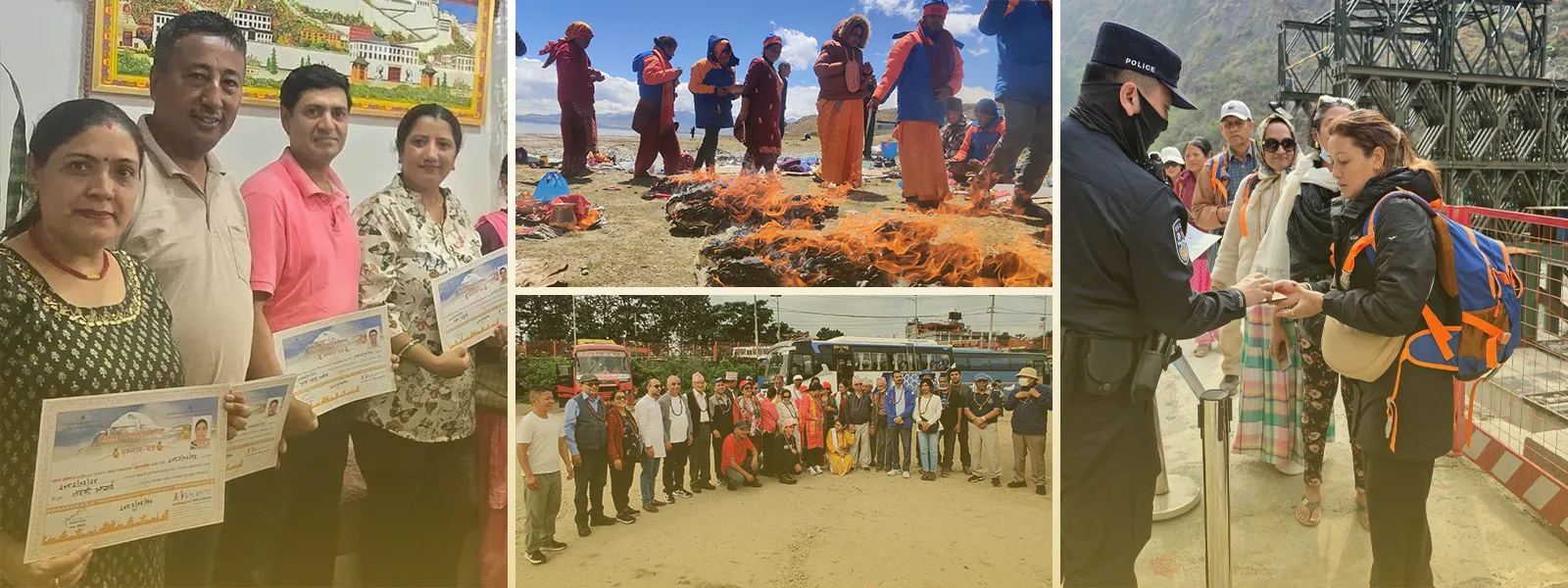
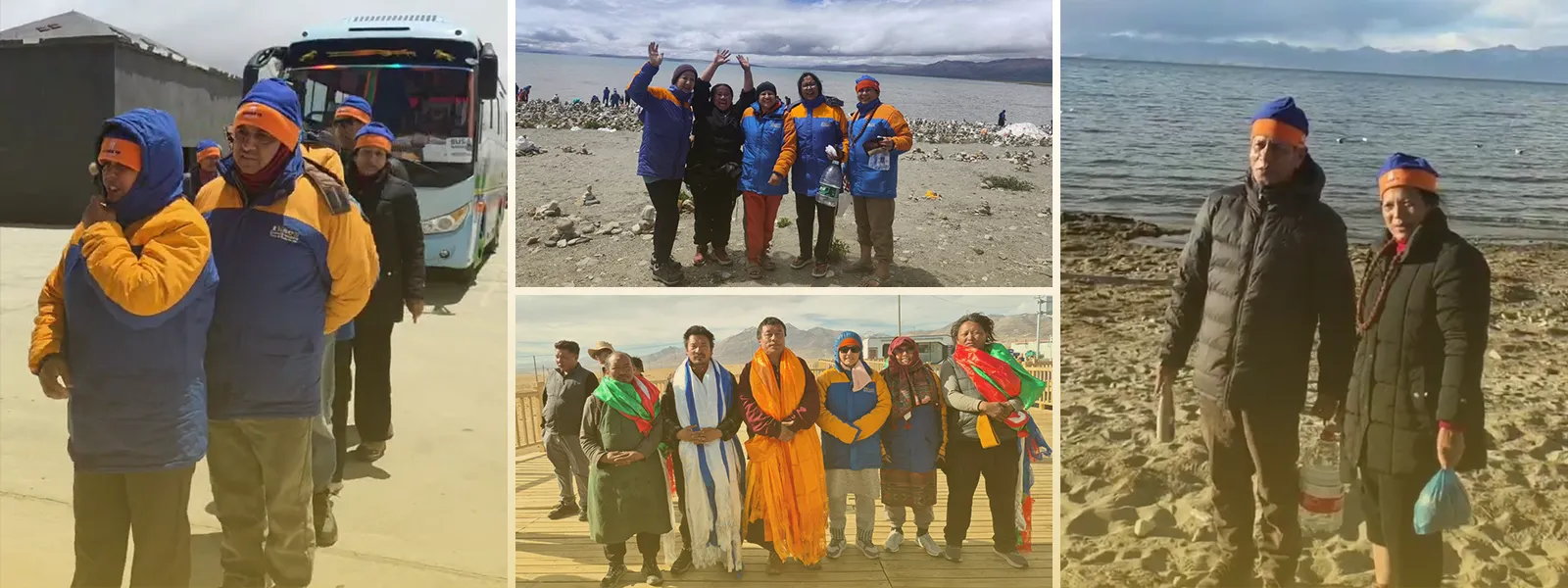
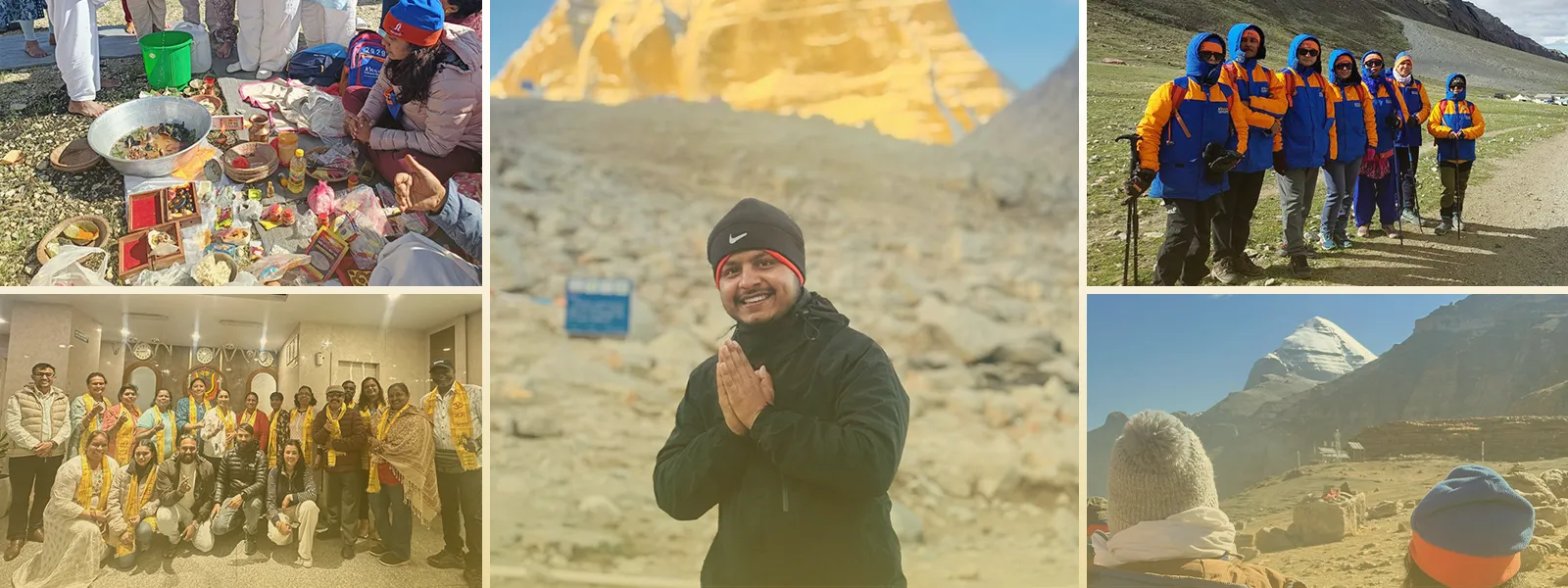
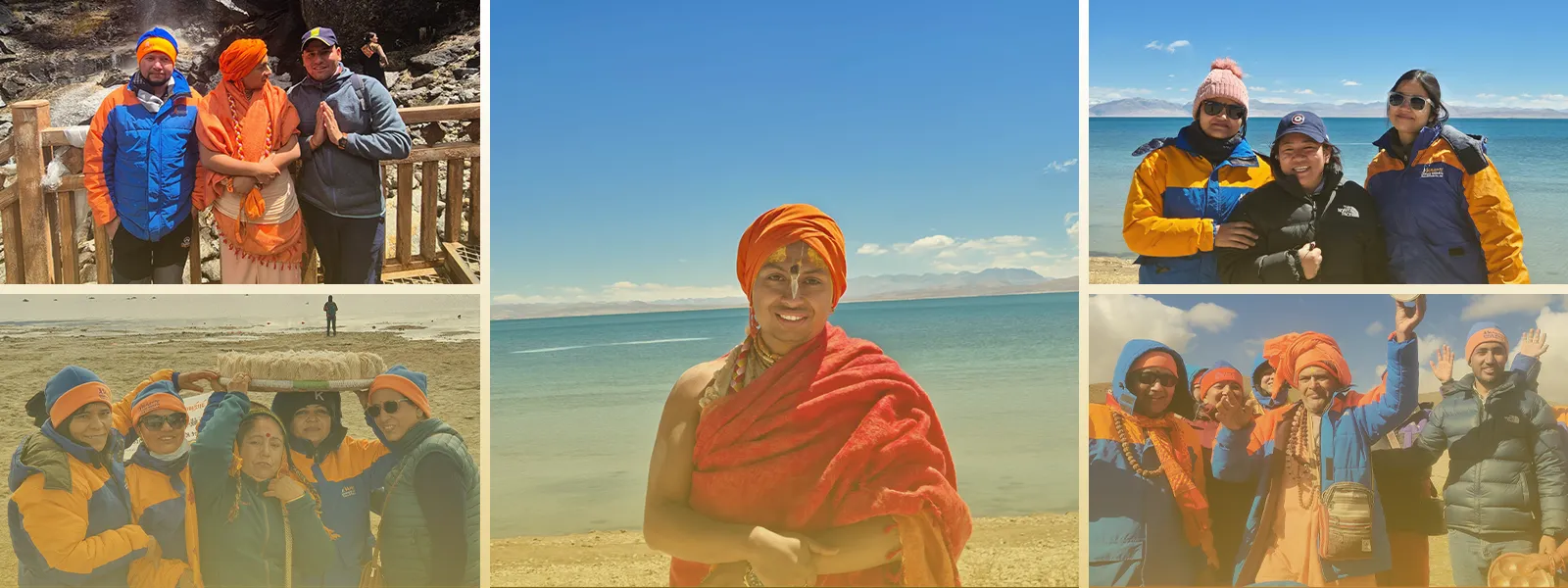
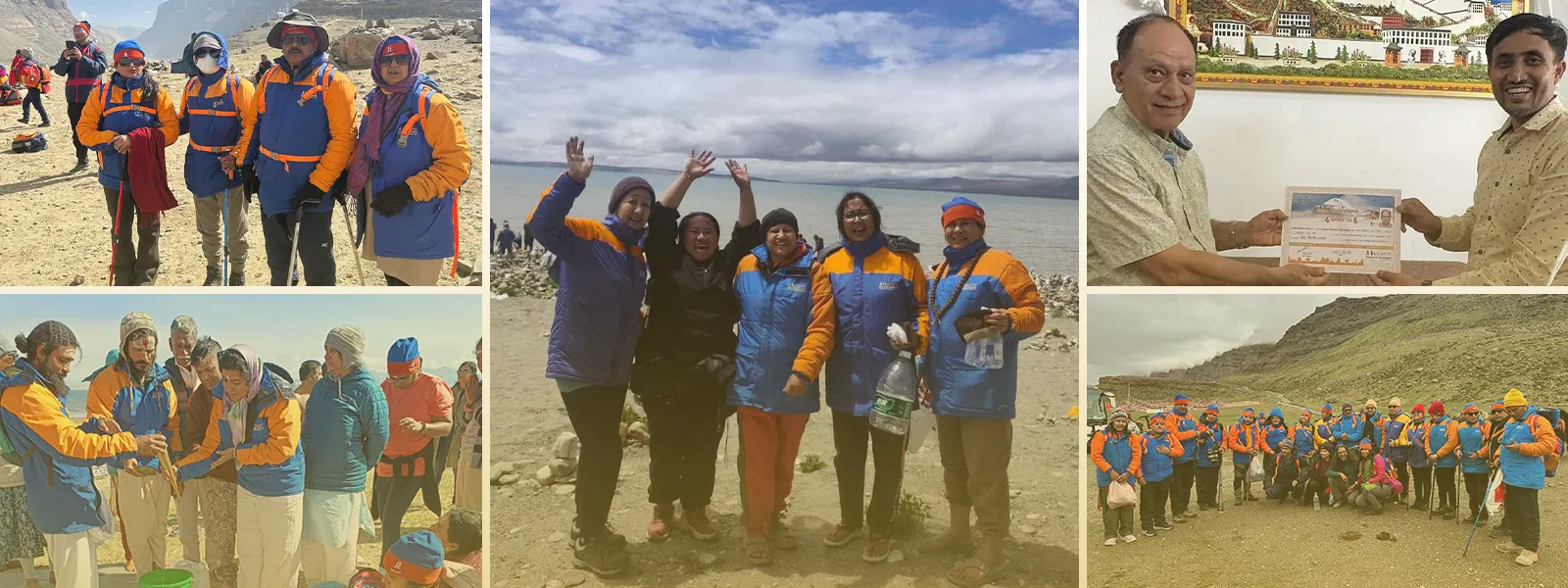
A glimpse of what awaits — moments you’ll never forget.

Proper equipment is essential for a safe and comfortable journey to Mount Kailash. Below is a comprehensive list of items you should bring for this high-altitude pilgrimage.
Essential information for a safe and comfortable journey
Real moments captured by our travelers during their incredible Himalayan journeys. Witness the divine beauty through their eyes.
I took time off work for this trip and it was the best decision I've made in years. The fifteen-day rhythm let me truly disconnect no emails, no deadlines, just walking and breathing and being present. The guide shared stories that connected the landscape to philosophy in a way that made me think, and the lodges were simple but the silence at night was profound. I came back with clarity instead of just photos, and that's a gift I'm still unpacking.
I booked this right after a messy breakup because I needed to get out of my head and somewhere that actually mattered. Fifteen days in the mountains with strangers who slowly became like family was exactly the reset I didn't know I needed. The guide noticed when I was zoning out during group walks and would casually pull me into conversation or assign me light tasks like helping set up tea, which kept me grounded without making it a therapy session. Reaching the Charan Sparsh point felt less like a religious milestone and more like a personal checkpoint like I'd finally caught up with myself.
Everything you need to know about your Mount Kailash Mansarovar Yatra journey
This is a 15-day pilgrimage tour that begins in Kathmandu, travels overland into Tibet via the Nepal–Tibet border at Kerung, includes Lake Manasarovar and the full Mount Kailash Kora, and ends back in Kathmandu.
We recommend booking your Mount Kailash tour at least 30 days before departure to allow enough time for all necessary arrangements and permits.
Yes. This tour is specially designed for pilgrims who wish to visit the sacred sites of Lake Manasarovar and Mount Kailash and complete the holy Kailash Kora as part of their spiritual journey.
Yes. While in Nepal, you will be accompanied by an experienced English-speaking Nepali guide. Once you enter Tibet, an experienced Tibetan guide will take over. The Tibetan guide will assist as an interpreter and also share insights into Tibetan culture and way of life.
Yes. We recommend having a dental checkup before your trip and knowing your blood type. It is also helpful to inform us of any relevant medical conditions in advance so we can provide this information in case of an emergency. Your medical information will remain confidential unless treatment becomes necessary.
Yes. This tour can usually be arranged as a private departure depending on your travel dates and group size.
The Yatra involves high-altitude trekking and long drives. Travelers must be physically fit and follow acclimatization instructions.
March to September is ideal. Avoid heavy monsoon (July–August) and extreme winter (November onward) due to snow, landslides, and limited accommodation.
Major destinations include Kathmandu, Kerung, Saga, Lake Manasarovar, Darchen, Yamadwar, Dirapuk, Dolma La Pass, Gauri Kund, Zutulphuk, and the return route back through Saga and Kerung.
Yes, tipping is part of the local culture and is appreciated by guides and porters. While it is not mandatory, it is customary to tip around USD 10 to 20 per day per person, depending on your satisfaction and experience.
Yes. This is an overland Kailash tour that enters Tibet through the Nepal–Tibet border and continues by road across the Tibetan plateau.
This tour starts in Kathmandu and continues overland through Syabrubesi, Timure, or Dhunche on the Nepal side, then crosses into Tibet through Kerung. From there, the route continues to Saga, Lake Manasarovar, Darchen, Dirapuk, Zuthulpuk, and back through Saga and Kerung to Kathmandu.
You will receive the first darshan of Mount Kailash during the drive from Saga to Lake Manasarovar.
This itinerary includes a special trekking day close to Mount Kailash for Charan Sparsh and spiritual blessings before returning to Dirapuk. This makes the journey especially meaningful for pilgrims.
Accommodation is arranged in comfortable hotels in Kathmandu, with breakfast included. During the Tibet portion of the journey, you will stay in carefully selected hotels wherever available, including in places such as Kyirong and Saga. In more remote pilgrimage areas, accommodation is more basic due to limited infrastructure, and the best available lodges or dormitory-style stays are provided. These may include shared rooms with attached bathrooms or simple multi-bed arrangements, depending on the location.
Yes. In remote pilgrimage regions, especially around the Kailash Kora route, accommodations are much more basic than in Kathmandu or larger towns.
Attached bathrooms may be available in major stops and town hotels, but they may not always be available in remote or trekking regions.
The Mt. Kailash and Lake Mansarovar Tour is suitable for moderately fit travelers, and no previous trekking experience is required. However, we recommend preparing with activities such as hiking, swimming, or running before the journey.
Yes, oxygen cylinders, first aid, and medical support are provided during the Yatra. Emergency evacuation is available but additional costs may apply.
Yes. Travel in Tibet is not permitted for individuals aged 80 and above because of the challenging conditions and health risks.
Yes. Travelers with pre-existing medical conditions should seek medical advice and approval from their doctor before joining the tour. It is common to experience discomfort before fully acclimatizing to high altitude.
This is a challenging high-altitude pilgrimage tour. It includes long driving days, remote travel conditions, and several trekking days during the Kailash Kora.
Travelers with average fitness and strong determination may complete the journey, but the trek and altitude make it physically demanding. Preparing in advance is highly recommended.
Previous trekking experience is helpful but not always mandatory. However, because this tour includes the full Kora and high-altitude trekking, a good level of fitness is strongly recommended.
Yes. Since this tour travels through high-altitude areas such as Kerung, Saga, Lake Manasarovar, Darchen, Dirapuk, and Dolma La Pass, altitude sickness is a real concern and must be taken seriously.
You can prepare by doing regular walking, hiking, cardio exercise, and breathing-focused fitness activities before the trip. Good hydration, rest, and gradual acclimatization are also important during the journey.
The best time for the Mt. Kailash Tour is from March to September. The tour is generally avoided during the peak winter months from November to February.
Tibet’s climate is highly unpredictable and can change quickly due to its high elevation, low humidity, and strong winds. Although temperatures often remain cool throughout the year, daytime temperatures can feel quite warm in summer because of increased heat and the effects of global warming.
The itinerary offers a deeply spiritual and scenic journey, beginning with the sacred Aarati at Pashupatinath Temple in Kathmandu. It continues with a picturesque overland drive through Kerung, Saga, leading to the holy Lake Manasarovar and Rakshas Tal. The stay in Darchen serves as the starting point for the Kailash Kora, where you experience key sites like Dirapuk, Dolma La Pass, Gauri Kund, and Zutulpuk, making it a truly transformative pilgrimage.
Typical temperatures by season are as follows: in summer (June to August), nights usually range from 7°C to 12°C and days from 20°C to 25°C; in autumn (September to November), nighttime temperatures range from 5°C to -10°C and daytime temperatures from 15°C to 20°C; in winter (December to February), nights are much colder at -10°C to -20°C, while days are generally between 10°C and 15°C; and in spring (March to May), nights range from 5°C to -5°C, with daytime temperatures usually between 15°C and 20°C.
You can book through Himalayan Glory Travels via email or WhatsApp at least one month before your departure. Required documents include passport copies and photos (Machine Readable Passport (MRP) photo size).
.
Cash is the best option. Only Chinese Yuan (CNY) is accepted in Tibet. We recommend exchanging your money into Chinese Yuan in Kathmandu or at the border before entering Tibet.
No. Credit cards are generally not accepted for international visitors in Tibet. Visa cards are typically accepted only for domestic tourists or local residents.
Yes. When exchanging money at local exchange centers in Kathmandu or at the border, we strongly advise that you do so with guide to reduce the risk of receiving counterfeit notes.
Yes. Since this is an overland journey that crosses from Nepal into Tibet, pilgrims must carry a valid passport and all required travel documents for permit processing. The itinerary also mentions document collection and visa formalities in Kathmandu during the first two days.
Pilgrims should carry their original passport, Machine Readable Passport (MRP) photo size photographs, personal identification, and any additional documents required for visa and permit processing. Since official processing is part of the itinerary, travelers should keep all documents ready in advance.
Visa-related formalities and document processing are completed during the initial days in Kathmandu, before the overland journey begins.
Yes. Our airport representative will greet you at the airport holding an Kailash Journey signboard and will transfer you to your hotel.
Yes. We handle all procedures for the Tibet Visa and Travel Permit, and the processing charges are included in the trip price. Travelers entering Tibet from Nepal must be in a group of at least four to obtain a Chinese Group Visa and a Tibetan Travel Permit issued by the Chinese Embassy in Nepal.
You will submit the required documents after arriving in Kathmandu so that the visa and related formalities can be completed before the overland journey begins.
Yes. The itinerary includes assistance with crossing the Nepal–Tibet border and completing the required formalities and documentation.
Your passport should generally be valid for at least six months from your intended travel date and should have sufficient blank pages.
Laundry service is readily available at hotels in Kathmandu. In Tibet, services may be available in town areas and around Kailash city, usually for an additional charge. However, laundry and dry cleaning should not be expected in remote mountain regions.
Communication facilities are available throughout most of the tour, although the network may be unreliable during the Kailash Kora. Most hotels do provide Wi-Fi, but connectivity may vary.
Yes, purchasing a Chinese SIM card is recommended for better communication and messaging. We strongly suggest activating WeChat, as it is generally more reliable than WhatsApp or Viber in the region.
Yes. Charging facilities are available in hotels, though they may sometimes come with an extra charge. Please remember to bring suitable travel adapters.
Yes. Internet access in Tibet is restricted, and many social media platforms require a VPN. However, WhatsApp and WeChat are generally accessible without a VPN.
The cost of hiring a horse or porter depends on the rates set by the local Horse and Porter Committee in Darchen. Prices vary according to demand and supply. Typically: Horse and porter combined for 3 days: Approximately CNY 3,600 to 4,000 Porter only for 3 days: Approximately CNY 1,400 to 1,800
Charging may be available at hotels and guesthouses, but it may be limited or available for an extra charge in remote areas. Carrying a power bank is strongly recommended.
Yes. Travel insurance is strongly recommended, especially a policy that covers high-altitude travel, medical emergencies, trip interruption, and evacuation if needed.
Yes. You will be supported by guides and tour staff throughout the journey in both Nepal and Tibet.
Yes. Our team will assist you in Kathmandu with airport transfer, hotel coordination, visa documentation, briefing, and pre-departure arrangements.
After entering Tibet, you will be accompanied by an experienced Tibetan guide who will assist with route coordination, local communication, and pilgrimage support.
Yes. The guide and support team will assist with the required formalities during the Nepal–Tibet border crossing and the return process.
Yes. The trekking and pilgrimage section is conducted with guide support and local coordination throughout the Kora.
Yes. Your guide will help you understand the significance of key pilgrimage sites such as Lake Manasarovar, Yamadwar, Dirapuk, Charan Sparsh area, Dolma La Pass, and Gauri Kund.
Yes. Tibetan guides generally communicate in English. Since Tibetan is their native language, their accent may vary, so travelers should be patient and understanding.
Credit cards are not always reliable in remote areas, so cash is the safest option for personal expenses during the journey.
You should carry sufficient cash for personal expenses. Chinese Yuan is needed for Tibet, and it is also useful to carry some cash for expenses in Nepal.
Personal expenses may include drinks, snacks, shopping, tips, laundry, charging fees, porter or horse charges, and other personal purchases not included in the package.
You should carry both Nepali Rupees (NPR) for expenses in Nepal and Chinese Yuan (CNY) for expenses in Tibet. Since Tibet operates in Chinese currency, it is important to exchange enough money before entering remote areas.
It is best to exchange your money into Chinese Yuan before traveling into Tibet. You may do this in Kathmandu or at an authorized exchange point before entering the more remote regions.
ATMs may be available in larger towns, but they should not be relied upon during this pilgrimage. In remote parts of Tibet and along the Kailash route, ATM access can be limited or unavailable. It is best to carry enough cash in advance.
Some local businesses may use Chinese mobile payment systems, but international travelers should not depend on them. Cash remains the most practical payment method for this tour.
Yes. If you plan to hire a horse, porter, or purchase extra supplies during the Kora, you should carry additional cash for those services.
Yes. In towns and market areas, you may find opportunities to buy local goods, prayer items, snacks, and souvenirs. You should budget extra money if you plan to shop during the journey.
Our expert team is here to help you plan your spiritual journey
Get personalized guidance for your journey
Discover more sacred and adventurous journeys in the Himalayas
Experience a rare spiritual journey with the Kailash Mansarovar Aerial Darshan, offering sacred views of Mount Kailash and Lake Mansarovar in comfort and peace.
Embark on a sacred 9-day helicopter journey from Lucknow to Mount Kailash and Lake Manasarovar, experiencing divine parikramas, spiritual rituals, and breathtaking Himalayan landscapes across Nepal and Tibet.
Join a remarkable spiritual adventure on the Kailash Mansarovar Yatra via Simikot–Hilsa, where sacred landscapes, deep devotion, and the holy journey around Mount Kailash await.
Answer the call of the Himalayas on the Mount Kailash Inner Kora Tour via Kerung, a life-changing pilgrimage filled with sacred moments, stunning scenery, and deeper spiritual connection.
Take part in a soul-stirring pilgrimage with the Kailash Mansarovar Parikrama with Lhasa Cultural Tour, where sacred Mount Kailash, Lake Mansarovar, and the spiritual wonders of Lhasa come together in one remarkable journey.
Begin a spiritually transformative journey to Kailash Mansarovar, where the holy Mount Kailash and the serene waters of Lake Mansarovar inspire devotion, peace, and inner awakening.
Set out on a deeply spiritual adventure through the classic Mount Kailash Yatra via Kerung/Kyirong, leading you to some of the most revered sites in the Himalayas.
Experience Mount Kailash Mansarovar through a scenic Lhasa route, combining spiritual sightseeing, holy rituals at Lake Mansarovar, and sacred Kailash darshan in a shorter itinerary ideal for devoted pilgrims.