Kailash Mansarovar Yatra: 10-Day Spiritual Journey
Begin a spiritually transformative journey to Kailash Mansarovar, where the holy Mount Kailash and the serene waters of Lake Mansarovar inspire devotion, peace, and inner awakening.
The Kailash Mansarovar Yatra is regarded as one of the holiest pilgrimages in the Himalayas, offering a life-changing experience of faith, endurance, and inner transformation. Sacred to multiple religions, Mount Kailash is believed to be a divine seat of spiritual power, while Lake Mansarovar is revered for its purity, peace, and holy significance. Surrounded by the vast Tibetan plateau and snow-capped Himalayan peaks, this pilgrimage beautifully combines devotion with breathtaking scenery.
The journey begins with an overland drive from Kathmandu to Syabrubesi, followed by entry into Tibet through Rasuwagadhi and Kerung, and then onward to Saga and Lake Mansarovar. Pilgrims perform sacred rituals and holy bath at the lake before continuing to Darchen and beginning the Kailash Parikrama from Yamdwar to Dirapuk, crossing the challenging Dolma La Pass and passing the holy Gauri Kund en route to Zuthulpuk. After completing the parikrama, the pilgrimage returns through Saga and Kerung to Kathmandu, completing a deeply meaningful spiritual circuit.
10 Days / 9 Nights
5630 m
3-Star Hotel & Guesthouse
Included
The Kailash Mansarovar Yatra: 10-Day Spiritual Journey is a sacred pilgrimage that brings together devotion, natural beauty, and spiritual fulfillment in a shorter yet deeply meaningful format. Beginning from Kathmandu, this journey leads pilgrims through the Nepal–Tibet border to the holy Lake Manasarovar and the divine presence of Mount Kailash.
This tour is designed for pilgrims who wish to complete the sacred Kailash Parikrama within a well-paced and spiritually focused itinerary. With scenic overland travel, holy rituals at Lake Manasarovar, and the life-changing experience of the Kailash Kora, the journey offers a powerful blend of faith, endurance, and inner peace.
The journey begins in Kathmandu and continues by road toward Syabrubesi or Ghattakhola, following the beautiful Trishuli route through river valleys, terraced hills, and mountain roads. This first stage offers a scenic and memorable start as pilgrims gradually move toward the Himalayan frontier.
From the Nepal side, the route continues to Rasuwagadhi, where immigration and border formalities are completed before entering Tibet. After crossing the border, pilgrims continue onward to Kerung, an important gateway town where the Tibetan part of the pilgrimage begins. During this initial phase, our team handles all administrative filings.
The journey then proceeds across the vast Tibetan plateau through Saga and onward to the sacred shores of Lake Manasarovar. After spiritual rituals at the holy lake and final preparation in Darchen, pilgrims begin the most sacred section of the journey, the Kailash Parikrama.
After completing the parikrama through Dirapuk, Dolma La Pass, Gauri Kund, and Zuthulpuk, the return journey follows back through Saga and Kerung before descending once again into Nepal. This route offers a complete and meaningful Kailash Mansarovar experience within a shorter pilgrimage schedule.
Note: Please review the tibet permit process for this tour to understand the documentation timeline required for a smooth crossing.
The arrival at Lake Manasarovar is one of the most emotional and spiritually uplifting moments of the entire pilgrimage. Revered across Hinduism, Buddhism, Jainism, and the Bon religion, the lake is considered one of the holiest places in the world and is deeply connected with purity, prayer, and spiritual blessing.
Pilgrims may take part in puja, holy bath rituals, and quiet moments of prayer by the sacred lake. Surrounded by the peaceful waters, the vast Tibetan sky, and the divine atmosphere of the Kailash region, this becomes a deeply meaningful experience for every devotee.
Mount Kailash is regarded as one of the most sacred mountains on earth and is believed in Hindu tradition to be the abode of Lord Shiva and Goddess Parvati. In other faiths as well, the mountain is honored as a powerful spiritual center and a place of divine significance.
Unlike other mountains, Mount Kailash is not climbed but worshipped through the sacred Parikrama or Kora. Pilgrims believe that completing this holy circuit helps purify the soul, remove past karma, and bring deep peace, devotion, and spiritual merit.
The Kailash Parikrama is the most sacred and transformative part of the journey. It begins from Yamdwar, where pilgrims start the holy trek around Mount Kailash with deep devotion, spiritual focus, and a sense of purpose that defines the heart of the pilgrimage.
The first trekking day leads to Dirapuk, where pilgrims are blessed with unforgettable views of the north face of Mount Kailash. This section of the route is filled with powerful natural beauty and deep spiritual energy, making it one of the most treasured moments of the yatra.
The next day, pilgrims cross the high and challenging Dolma La Pass, the highest point of the journey. Along the route, they also witness the sacred Gauri Kund, a site of deep religious meaning that adds even greater spiritual significance to this demanding part of the Kora.
The final stretch of the parikrama leads toward Zuthulpuk and back to Darchen, bringing the sacred circuit of Mount Kailash to completion. For many pilgrims, this becomes a life-changing moment of gratitude, fulfillment, and inner transformation.
Still planning your perfect itinerary? If you prefer a shorter 10-day journey, see this package to evaluate your options. We are here to help you find the pace that best suits your needs
Since the Kailash Mansarovar Yatra reaches very high altitudes, proper acclimatization is very important throughout the journey. The route is designed in a gradual way, moving from Nepal into Tibet through Kerung, then onward to Saga, Lake Manasarovar, and the higher trekking region around Mount Kailash.
The stay in Kerung plays an important role in helping pilgrims adjust to the altitude after crossing into Tibet. As the journey progresses across the plateau, the increasing elevation makes it essential to move carefully and allow the body enough time to adapt.
Pilgrims are advised to stay well-hydrated, eat light meals, avoid unnecessary strain, and walk slowly during the trekking days. This becomes especially important while crossing Dolma La Pass, where altitude and physical effort are at their highest during the pilgrimage.
It is also important to remain alert to symptoms such as headache, dizziness, nausea, or shortness of breath. Proper rest, calm pacing, and timely communication with the support team can make the journey safer, smoother, and more comfortable.
The best time to undertake the Kailash Mansarovar Yatra is usually during May, June, September, and October. These months generally offer more stable weather, clearer skies, and better road and trekking conditions for the journey.
During this period, pilgrims can enjoy better visibility of the mountains, more pleasant travel conditions, and a smoother overall pilgrimage experience. Since the journey includes long overland drives, high-altitude stays, and the sacred Kailash Parikrama, favorable weather makes a big difference.
These months also bring a more vibrant spiritual atmosphere to the Kailash region, as many devotees choose this season for their pilgrimage. The clear surroundings and sacred energy of the region make the experience even more powerful and memorable.
The monsoon period, especially July and August, is generally less preferred due to landslides, road disruptions, and changing weather conditions on the Nepal side. For a more reliable and comfortable pilgrimage, most travelers prefer the clearer travel seasons.
The Kailash Mansarovar pilgrimage requires a good level of physical fitness because it includes high-altitude travel, long driving days, and demanding trekking conditions. Although part of the route is covered by vehicle, the parikrama itself requires stamina, endurance, and mental strength.
Pilgrims are advised to begin preparing at least two to three months before the journey. Regular walking, hiking, stair climbing, yoga, breathing exercises, and light cardio can help improve overall strength and make the yatra more comfortable.
Special attention should be given to the trekking section from Dirapuk to Dolma La Pass and Zuthulpuk, as this is the most physically demanding stage of the pilgrimage. Better preparation can help pilgrims complete the route more safely and with greater confidence.
Mental readiness is equally important during this journey, especially in high-altitude and remote conditions. Pilgrims who travel with patience, discipline, and realistic expectations are more likely to complete the yatra with comfort and spiritual satisfaction.
Prepare Your Body: To construct an effective preparation routine, you can consult our detailed fitness and health requirements guidebook.
Accommodation throughout the Kailash Mansarovar Yatra is arranged with care to provide comfort, rest, and reassurance at every major stage of the journey. In the Nepal section and along the main route, pilgrims are provided with suitable overnight stays that support proper rest before and after each travel day.
As the journey continues into Tibet, stays are arranged at carefully selected hotels and the finest available accommodation options in each location. In more remote regions, amenities naturally become more limited than in larger towns, while comfort and smooth coordination remain a priority. To view the transparent cost structures associated with these different hotel tiers and logistical setups, feel free to see full pricing details.
Every effort is made to ensure a restful and well-managed stay throughout the pilgrimage. The focus remains on comfort, cleanliness, and supportive arrangements so that pilgrims can relax and recover properly after the physical and spiritual demands of the day.
During the Kailash Parikrama, accommodation becomes simpler due to the remote terrain and sacred nature of the region. Pilgrims are encouraged to accept this simplicity as part of the spiritual experience while all essential arrangements are made for rest and recovery.
This 10-day spiritual journey is a beautiful combination of pilgrimage, scenic overland travel, high-altitude adventure, and sacred trekking. From the river valleys of Nepal to the vast Tibetan plateau and the divine presence of Mount Kailash, each stage of the route carries a special meaning.
The overland drive forms an important part of the experience and reveals changing landscapes throughout the journey. Pilgrims travel through terraced hills, mountain roads, border regions, wide plateaus, holy lakes, and dramatic Himalayan terrain that make the pilgrimage visually extraordinary.
The emotional peak of the journey comes at Lake Manasarovar and during the Kailash Parikrama, where devotion, endurance, and spiritual energy come together in a powerful way. These sacred moments often become the most memorable part of the entire pilgrimage.
Although the itinerary is shorter in duration, it still offers a complete and deeply fulfilling Kailash experience. Because this is a condensed itinerary, it is wise to compare all routes and durations to see how this 10-day option maps out against the longer 15-day or 17-day cultural routes.
The Kailash Mansarovar Yatra is generally suitable for pilgrims between 12 and 70 years of age, although actual participation may depend on health condition, regulations, and operator requirements. Since the journey includes high-altitude travel and strenuous trekking, medical fitness is very important.
Pilgrims with heart conditions, severe breathing difficulties, or other major health concerns should seek medical advice before planning the journey. Older travelers are also advised to join only after proper consultation and with a clear understanding of the altitude and trekking challenges.
Age alone is not the only deciding factor for this pilgrimage, as overall fitness and preparation are equally important. With good planning, responsible pacing, and the right support, many pilgrims are able to complete the journey safely and meaningfully.
This 10-Day Kailash Mansarovar Yatra requires all pilgrims to travel as part of an organized group, with the necessary visa and travel permits arranged in advance. Participants are requested to submit their required documents, including passport copies and photographs (Machine Readable Passport (MRP) photo size), well before the tour departure date to ensure smooth processing of all travel formalities. All paperwork and approvals must be completed before the tour begins. Guests should also arrive prepared for high-altitude travel and follow the guidance provided throughout the journey. Tour costs are based on current permit fees, transportation, accommodation, and operational expenses. Any major changes in government charges or related costs may lead to a revision of the tour price, which will be communicated in advance.
A complete overview of your journey
Scenic drive from Kathmandu via Trishuli to Syabrubesi / Ghattakhola for the overnight stay
After breakfast, begin the overland journey from Kathmandu to Syabrubesi or Ghattakhola via the scenic Trishuli route. The drive follows beautiful river valleys, terraced hillsides, traditional villages, and winding mountain roads, offering a memorable introduction to the natural beauty of northern Nepal. As the journey progresses, enjoy changing views of the countryside, flowing rivers, and dramatic Himalayan foothills that set the tone for the pilgrimage ahead. Upon arrival at Syabrubesi or Ghattakhola, check in and rest for the evening in preparation for the next stage of the journey. Overnight stay at Syabrubesi or Ghattakhola.
Starting Point
Kathmandu
Max Altitude
1983 m
Bus
158 KM
Hiking
0 KM
Ending Point
Syabrubesi / Ghattakhola
Drive to Rasuwagadhi border, complete immigration formalities, and continue to Kerung. Explore the local area and overnight in Kerung
After breakfast, continue the journey toward the Rasuwagadhi border, where the required immigration and customs formalities will be completed before entering Tibet. Once all procedures are finalized, drive onward to Kerung, a peaceful Tibetan town surrounded by beautiful mountain scenery and an important gateway for the Kailash journey. After arrival and hotel check-in, you may take some time to explore the local area, enjoy the surroundings, and begin adjusting to the new altitude and atmosphere. The day combines travel, border formalities, and light exploration, offering a smooth transition into the Tibetan part of the pilgrimage. Overnight stay in Kerung.
Starting Point
Ghattakhola
Max Altitude
2900 m
Bus
2500 KM
Hiking
0 KM
Ending Point
Kerung
A dramatic drive across the Tibetan plateau with views of high passes, open valleys, and the Brahmaputra basin before arriving in Saga.
After breakfast, begin the drive from Kerung to Saga, travelling through some of the most breathtaking landscapes of the Tibetan plateau. This is a dramatic drive across the Tibetan plateau, with magnificent views of high mountain passes, open valleys, and the Brahmaputra basin before arriving in Saga. As the journey unfolds, the route reveals a striking mix of rugged Himalayan scenery, vast open plains, and remote river valleys, creating a truly unforgettable overland experience. Along the way, there will be short stops for rest and to enjoy the remarkable surroundings. Upon arrival in Saga, check in and relax for the evening in preparation for the next stage of the pilgrimage. Overnight stay in Saga.
Starting Point
Kerung
Max Altitude
4500 m
Bus
182 KM
Hiking
0 KM
Ending Point
Saga
A long but rewarding drive to the sacred lake, crossing the high-altitude Mayum La section and entering the Kailash–Mansarovar region.
Begin the day early in the morning at 5:00 AM, After breakfast, begin the journey from Saga to the sacred Lake Manasarovar, one of the holiest and most spiritually revered destinations of the entire pilgrimage. The drive takes you across the vast Tibetan plateau, where dramatic high-altitude landscapes, open plains, and distant mountain views create a deeply serene and awe-inspiring atmosphere. As you approach the sacred region, enjoy the first glimpse of Mount Kailash, a profoundly moving moment that marks one of the most memorable highlights of the journey. Upon reaching Lake Manasarovar, continue the sacred parikrama by vehicle, allowing time to absorb the spiritual atmosphere, peaceful beauty, and devotional significance of the holy lake. After completing the day’s sacred journey, settle in for an overnight stay near the revered shores of Lake Manasarovar.
Starting Point
Saga
Max Altitude
4560 m
Bus
530 KM
Hiking
0 KM
Ending Point
Lake Mansarovar
Experience spiritual rituals at Lake Manasarovar, including puja and holy bath. Later drive to Darchen for parikrama preparation
Begin the day at the sacred shores of Lake Manasarovar, where pilgrims may take part in deeply meaningful spiritual rituals, including puja and a holy bath near the lake, in one of the most revered pilgrimage settings in the Himalayas. Surrounded by the serene beauty of the lake and the spiritual stillness of the Tibetan landscape, this is a special time for prayer, reflection, and devotion. After completing the rituals and spending precious moments by the holy waters, continue the drive to Darchen, the traditional base camp for the Mount Kailash Parikrama. Upon arrival, check in and spend the remaining time resting and making final preparations for the parikrama ahead. Overnight stay in Darchen.
Starting Point
Lake Mansarovar
Max Altitude
4620
Bus
40 KM
Hiking
0 KM
Ending Point
Darchen
Drive to Yamdwar and begin the Kailash Parikrama trek to Dirapuk, with stunning views of Mount Kailash’s north face
After breakfast, drive from Darchen to Yamdwar, the traditional starting point of the sacred Kailash Parikrama. From here, begin the trek toward Dirapuk, following a spectacular trail through the valley beneath the holy mountain. As the journey progresses, the landscape becomes increasingly dramatic, offering stunning views of the north face of Mount Kailash, one of the most awe-inspiring and spiritually uplifting moments of the entire pilgrimage. The combination of rugged high-altitude scenery, devotional atmosphere, and the close presence of the sacred peak makes this stage of the journey especially memorable. Upon arrival at Dirapuk, settle in and rest amid the extraordinary surroundings. Overnight stay at Dirapuk.
Starting Point
Darchen
Max Altitude
4860 m
Bus
8 KM
Hiking
12 KM
Ending Point
DIrapuk
Cross the challenging Dolma La Pass and see the sacred Gauri Kund on the way to Zuthulpuk, followed by an overnight stay
After an early start, begin the most challenging and spiritually significant day of the Kailash Parikrama as you trek from Dirapuk toward Dolma La Pass, the highest point of the entire pilgrimage. The ascent is demanding, but the journey is deeply rewarding, both physically and spiritually, as pilgrims pass through one of the holiest sections of the Kora. Along the route, witness the sacred Gauri Kund, whose presence adds profound devotional meaning to this unforgettable day. Surrounded by dramatic Himalayan scenery, prayer flags, and the powerful atmosphere of the sacred mountain, this stage of the pilgrimage is often remembered as one of the most emotional and transformative experiences of the entire journey. After crossing the pass, descend gradually toward Zuthulpuk, where you will rest for the night. Overnight stay at Zuthulpuk.
Starting Point
Dirapuk
Max Altitude
5630 m
Bus
0 KM
Hiking
28 KM
Ending Point
Zuthulpuk
Complete the final section of the Kailash Parikrama, return to Darchen, and continue the drive back to Saga
After breakfast, complete the final stretch of the sacred Kailash Parikrama, bringing this deeply meaningful spiritual journey to a fulfilling close. The trail gradually leads back toward Darchen, where the trekking portion of the pilgrimage comes to an end. After returning to Darchen and taking a short break, continue by vehicle onward to Saga, retracing the scenic route across the vast Tibetan landscape. The drive offers time to rest, reflect, and absorb the spiritual significance of the days spent around Mount Kailash, while enjoying the striking beauty of the high-altitude plateau along the way. Upon arrival in Saga, check in and relax after the physical and spiritual accomplishment of completing the revered Kailash Parikrama. Overnight stay in Saga.
Starting Point
Zuthulpuk
Max Altitude
4500 m
Bus
3 KM
Hiking
9 KM
Ending Point
Saga
Return drive through the Tibetan plateau back to Kerung for the final overnight stay in Tibet
After breakfast, begin the return drive from Saga to Kerung, retracing the scenic route across the vast Tibetan plateau. The journey once again reveals sweeping views of open landscapes, rugged mountain terrain, distant snow-capped peaks, and the quiet natural beauty that defines this remarkable region. As you travel back through Tibet, there is time to reflect on the spiritual experiences of the pilgrimage while enjoying the final stretches of the high-altitude scenery. Upon arrival in Kerung, check in and spend the evening at leisure. You may choose to relax at the hotel or explore the town and its peaceful surroundings at your own pace. Overnight stay in Kerung.
Starting Point
Saga
Max Altitude
2900 m
Bus
182 KM
Hiking
0 KM
Ending Point
Kerung
Drive to the border, complete immigration formalities, and continue the journey back to Kathmandu.
After breakfast, begin the return journey from Kerung toward the Nepal–Tibet border at Rasuwagadhi, where the necessary immigration and customs formalities will be completed before re-entering Nepal. Once the border procedures are finished, continue the drive back to Kathmandu through the scenic hills, river valleys, and winding mountain roads of northern Nepal. As the journey descends from the high Himalayan region, the changing landscapes offer a final opportunity to reflect on the spiritual experiences, sacred moments, and unforgettable memories gathered throughout the pilgrimage. Upon arrival in Kathmandu, the sacred journey comes to a meaningful close. Overnight stay or onward arrangements as per the itinerary.
Starting Point
Kerung
Max Altitude
1460 m
Bus
150 KM
Hiking
0 KM
Ending Point
Kathmandu
Discover upcoming departures and plan your next unforgettable journey
Experience the sacred Mount Kailash Mansarovar Yatra pilgrimage.
PRICE
Experience the sacred Mount Kailash Mansarovar Yatra pilgrimage.
PRICE
We can arrange private departures for groups of 8+ people on your preferred dates. Contact us for personalized itinerary planning.
A glimpse of what awaits — moments you’ll never forget.

Proper equipment is essential for a safe and comfortable journey to Mount Kailash. Below is a comprehensive list of items you should bring for this high-altitude pilgrimage.
Essential information for a safe and comfortable journey
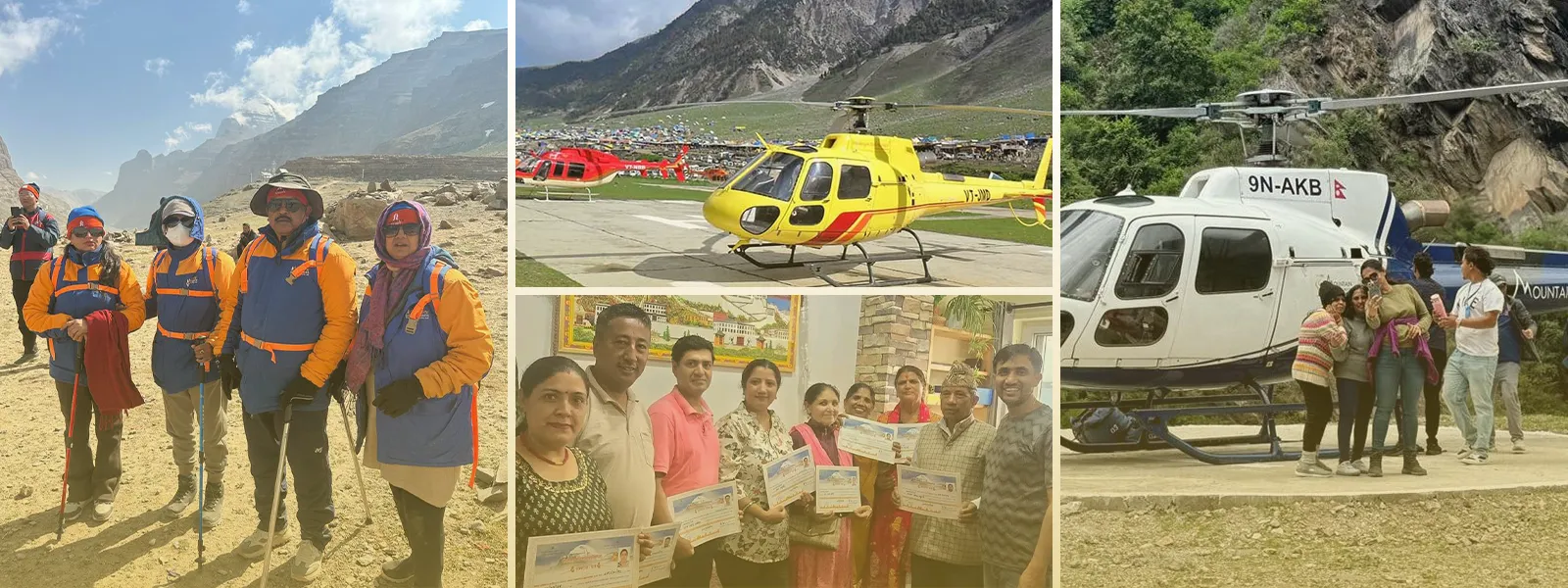
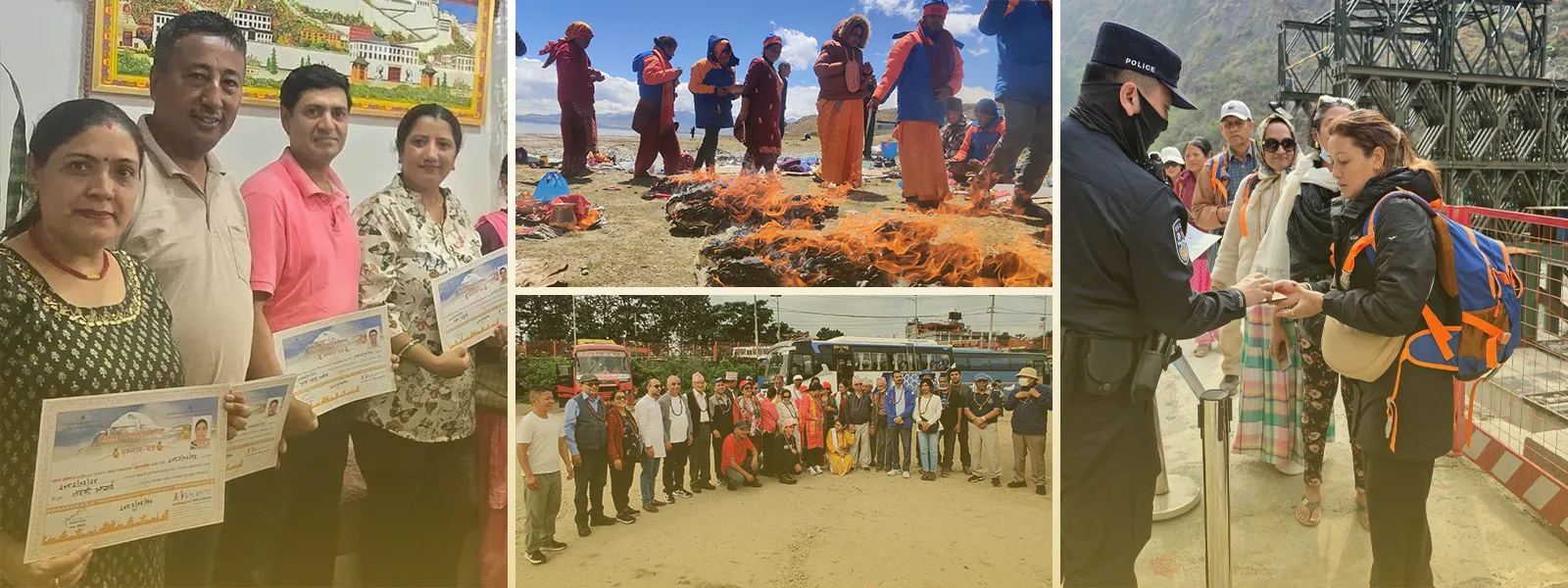
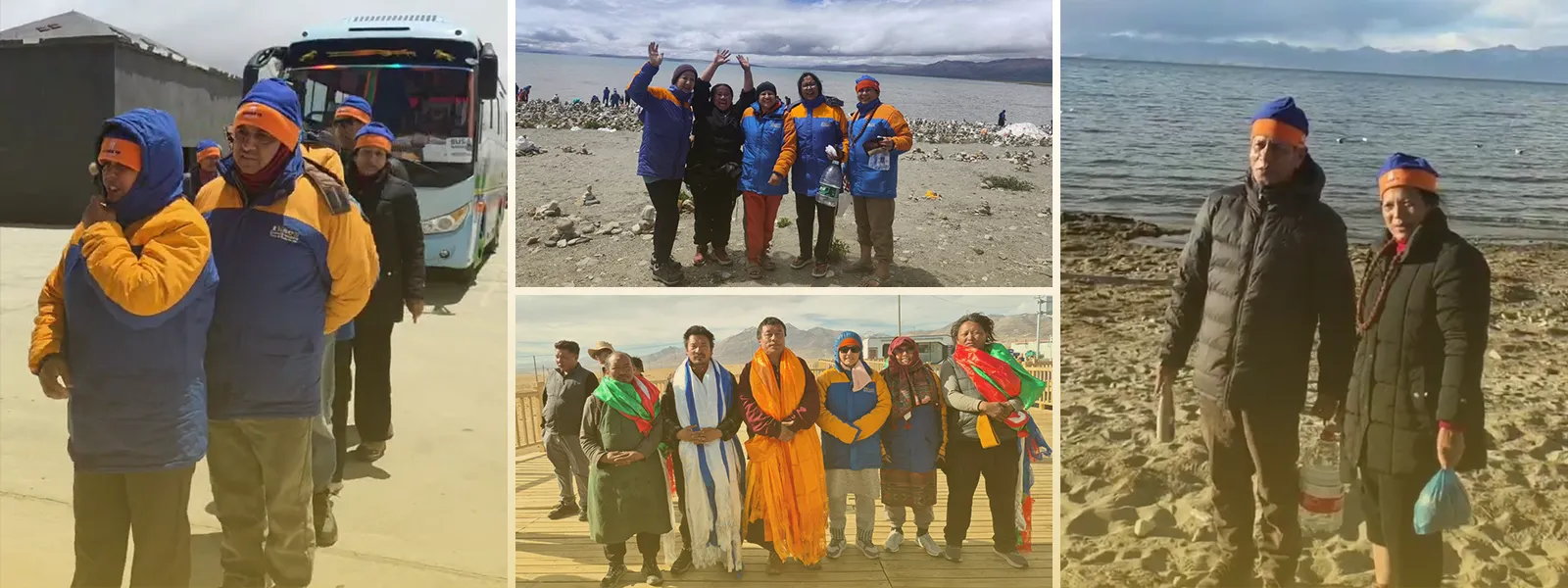
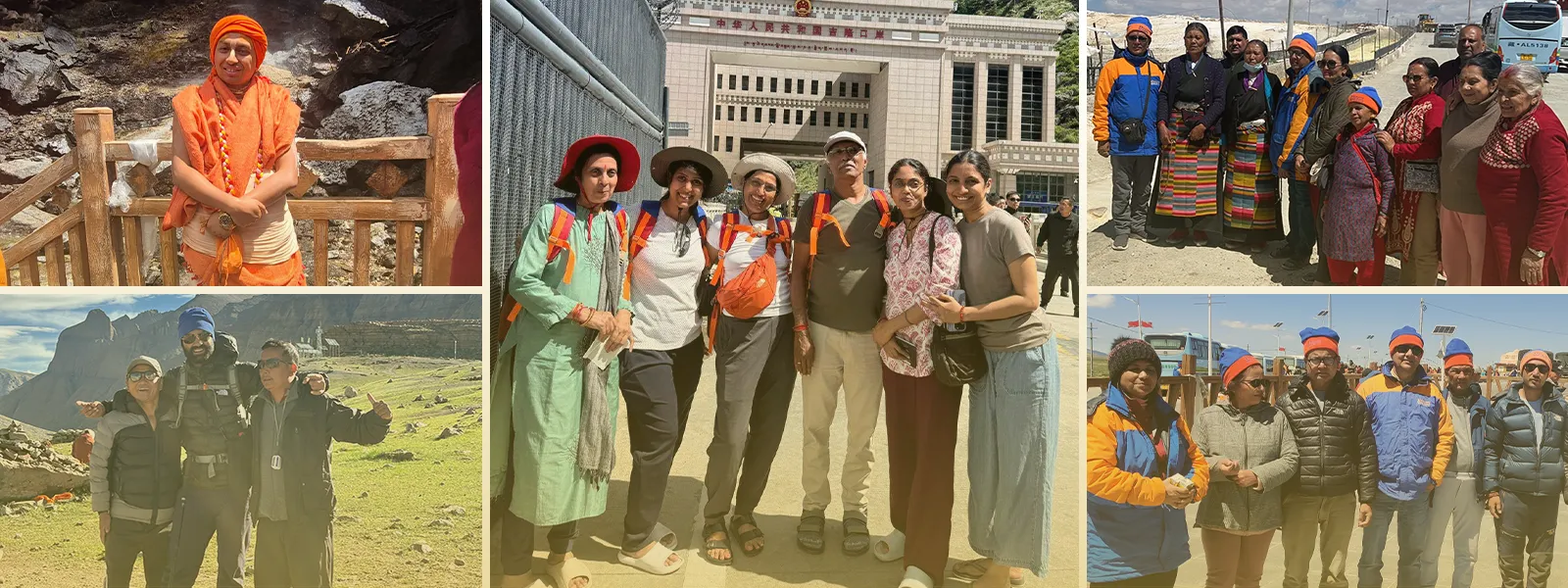
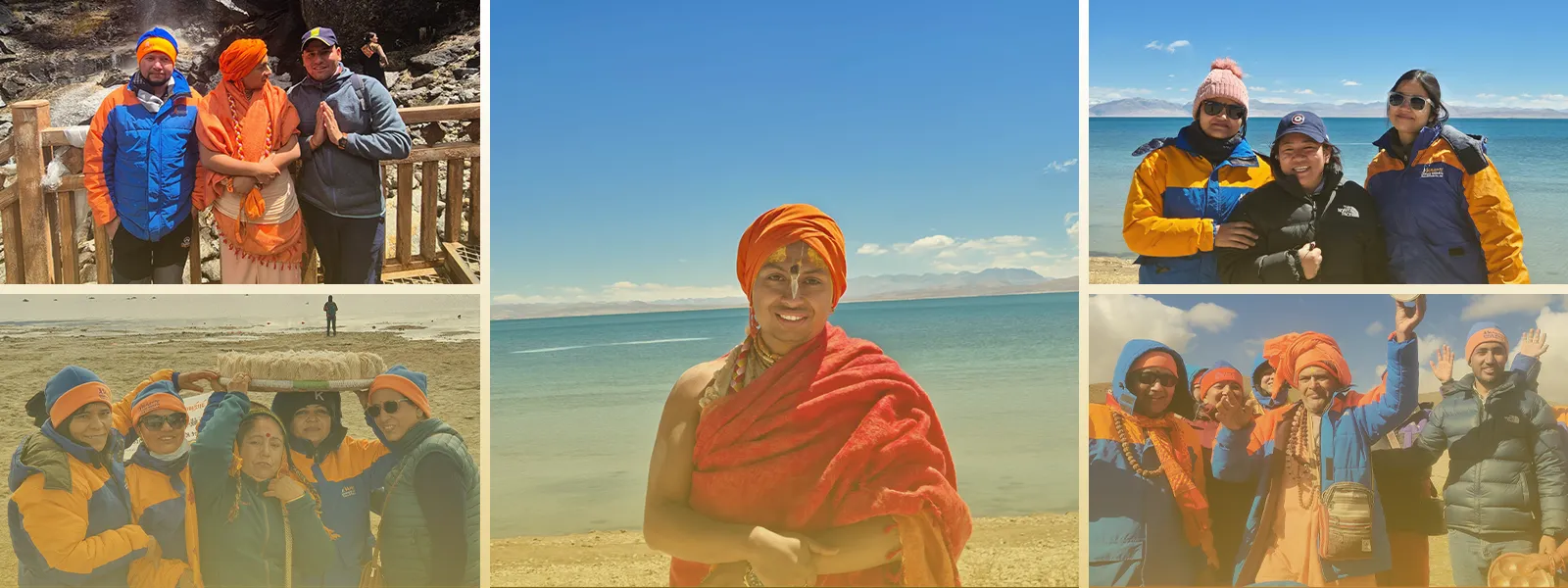
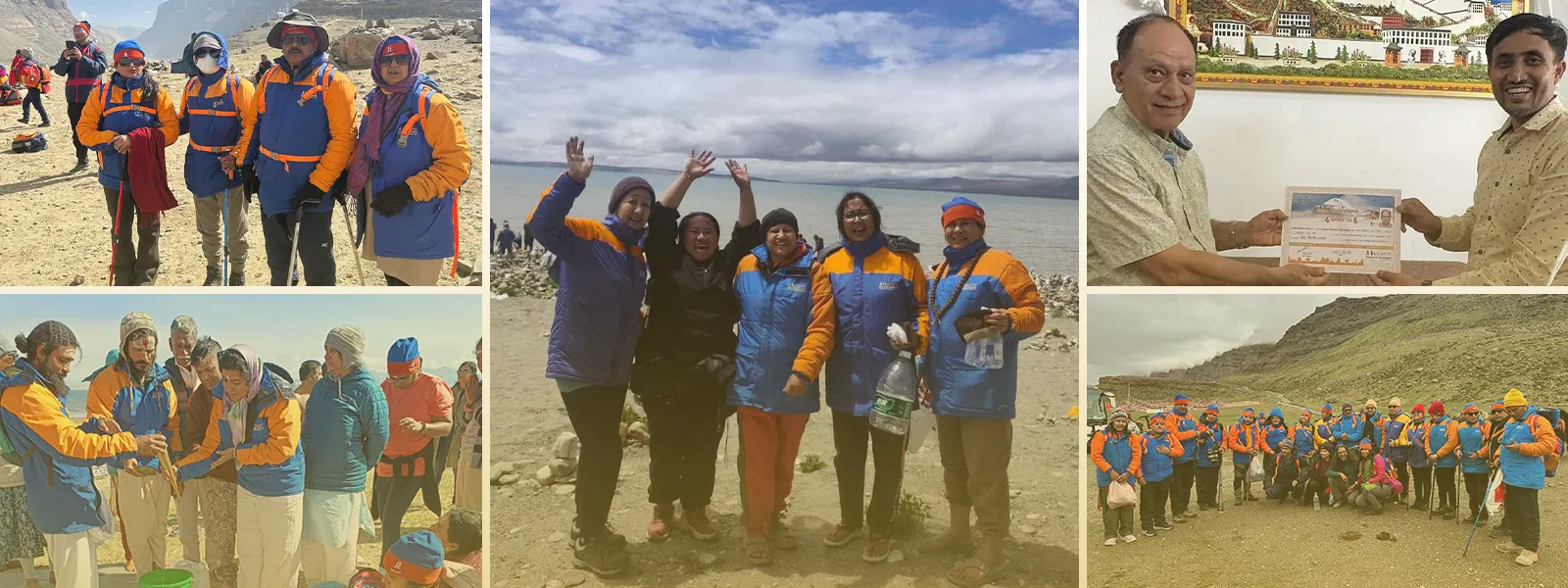
Real moments captured by our travelers during their incredible Himalayan journeys. Witness the divine beauty through their eyes.
Ten days felt just right for this journey, enough time to settle into the rhythm of pilgrimage without feeling rushed or dragged out. Our guide Karma knew when to share stories and when to let silence do the teaching, and the acclimatization day in Darchen saved me because I used it to walk slowly around the village and meet some local kids. The kora was tough, no doubt, but the group's energy carried me through, and I came home with more than just photos.
I did this for my fiftieth birthday because I wanted something meaningful instead of just a party, and the team made it special with a small cake at Mansarovar and a group blessing at the end of the kora. The guide monitored my blood pressure daily and adjusted the pace without making it obvious, which made me feel cared for but not coddled, and I came home with peace instead of presents, which is exactly what I needed.
Everything you need to know about your Mount Kailash Mansarovar Yatra journey
We recommend booking your Mount Kailash tour at least 30 days before departure. This allows enough time to complete the necessary arrangements, permits, and visa processing.
The main highlights of this tour are a scenic overland journey from Kathmandu to Tibet, border crossing via Rasuwagadhi and Kerung, a drive across the Tibetan plateau, a visit to sacred Lake Manasarovar for holy bath and puja, a stay in Darchen as the base camp of Mount Kailash, the full Mount Kailash Parikrama, views of Mount Kailash’s north face, crossing Dolma La Pass, and a visit to the sacred Gauri Kund.
Yes. This journey is specially designed for pilgrims who wish to visit Lake Manasarovar and complete the sacred Mount Kailash Parikrama in a shorter time frame.
Yes. This tour can generally be arranged as a private departure depending on your travel dates, group size, and service preferences.
This is a 10-day spiritual journey that begins in Kathmandu, travels overland into Tibet via Rasuwagadhi and Kerung, includes Lake Manasarovar and the full Mount Kailash Parikrama, and returns to Kathmandu.
Yes, a moderate level of fitness is recommended. The tour is suitable for average travelers who are reasonably fit, and prior trekking experience is not required. Preparing with activities such as walking, hiking, swimming, or light cardio can be helpful.
This is a physically demanding high-altitude pilgrimage. It includes long overland drives, remote travel conditions, and a challenging multi-day trek during the Mount Kailash Parikrama.
Travelers with pre-existing medical conditions should consult a doctor before booking. High-altitude travel can cause discomfort before full acclimatization, so medical clearance is strongly advised.
Yes. Travel in Tibet is not permitted for individuals aged 80 and above. Travelers aged 70 to 79 are generally required to provide medical certification confirming they are fit to travel.
Travelers with moderate to good fitness may complete the journey, but this is not considered an easy yatra. The high altitude and demanding trekking days require proper preparation.
The most difficult part of the journey is the trek from Dirapuk to Zuthulpuk via Dolma La Pass. This is the highest and most physically demanding day of the pilgrimage.
Credit cards are generally not accepted for international visitors in Tibet. Cash is the most reliable option throughout the journey.
Your personal expenses depend on your travel style. In Nepal, around USD 15 to 20 per day is usually enough for lunch, dinner, bottled water, and small personal purchases. In Tibet, meals are included, but carrying extra money for shopping, snacks, and other personal expenses is recommended.
Tipping is not mandatory, but it is appreciated and considered part of the local travel culture. Many travelers choose to tip guides and support staff based on the quality of service they receive.
Only Chinese Yuan (CNY) is accepted in Tibet. It is best to exchange your money into Chinese Yuan in Kathmandu or at the border before entering Tibet.
Yes. It is wise to keep extra cash aside for unexpected expenses, delays, or personal needs during the trip.
Extra expenses may include drinks, snacks, laundry, charging fees, shopping, tips, horse or porter services, and other personal purchases not included in the package.
Yes, all procedures for the Tibet Visa and Tibet Travel Permit are handled by the company, and the processing charges are included in the trip price.
Due to visa processing requirements, travelers are advised to arrive in Kathmandu about one week in advance, preferably on a Sunday. This provides enough time to complete the Chinese Group Visa application process.
Yes. This tour requires the appropriate visa formalities and Tibet travel permits, which must be arranged in advance through an authorized travel agency.
Yes. You should carry your passport and relevant travel documents throughout the trip, especially during hotel check-ins, border crossings, and checkpoints.
No. Tibet permits must be arranged through an authorized operator as part of an organized group tour.
Your passport should generally be valid for at least six months from your travel date and should have sufficient blank pages.
Yes. The itinerary includes the required border, immigration, and customs procedures during entry into Tibet and return to Nepal.
The best time for the Mount Kailash tour is generally March to September. Most travelers avoid the winter months from November to February due to colder temperatures and more challenging conditions.
Tibet has a high-altitude climate with low humidity, strong winds, and sudden weather changes. Temperatures can vary significantly between day and night, so travelers should be prepared for both warm daytime sun and very cold evenings.
Night temperatures can drop well below freezing, especially outside the summer season. In colder periods, temperatures may fall to around minus 10 to minus 20 degrees Celsius at night.
Yes, during the daytime, especially in summer, it can feel surprisingly warm due to strong sunlight at high altitude. However, temperatures still change quickly, so layered clothing is essential.
In Kathmandu, accommodation is usually arranged in standard hotels with breakfast included. In Tibet, accommodation ranges from hotels in towns such as Kyirong and Saga to basic guesthouses and dormitory-style lodges in more remote areas like Manasarovar, Diraphuk, and Zuthulphuk.
Single room options may be available in Kathmandu, but they are generally not available in Tibet due to limited accommodation infrastructure in remote regions.
Attached bathrooms may be available in some town accommodations, but they cannot always be guaranteed in remote trekking areas.
Food in the Kailash region is generally simple and mostly local Tibetan cuisine. In larger groups, additional kitchen and service support may be arranged, allowing for more variety such as Nepali, Indian, Continental, or Chinese meals.
Transportation is arranged according to group size and road conditions. Depending on the group, suitable vehicles such as jeeps, vans, coasters, or buses may be used.
Yes, the trip is arranged using suitable vehicles for highland travel, with a focus on safety and comfort according to the group size and road conditions.
No, international flights must be booked by the travelers themselves. However, assistance and guidance can be provided if needed.
Yes. This itinerary includes several long overland driving days, especially between Kathmandu and Kerung, Saga and Lake Manasarovar, and during the return journey.
This is the hardest day of the yatra. It includes a long and demanding trek of around 28 km at high altitude, making it the most physically challenging part of the journey.
The trek from Yamdwar to Dirapuk is approximately 12 km.
Internet and communication services are available in many places along the route, but the network may be unreliable, especially during the Kailash Kora and in remote mountain areas.
Yes, travelers can usually purchase a Chinese SIM card in Tibet for better communication and mobile data access. A passport copy and passport-sized photo may be required.
Yes, internet access in Tibet is restricted, and many social media platforms require a VPN. Travelers are encouraged to prepare for limited access to some online services.
Charging facilities are usually available in hotels and guesthouses, though they may sometimes come with an additional charge. Carrying a travel adapter and power bank is highly recommended.
Yes. Travel insurance is strongly recommended, especially for high-altitude travel, medical emergencies, trip interruption, and evacuation if needed.
Yes, both porters and horses can usually be hired in Darchen for the Kailash Parikrama.
The cost depends on the rates set by the local authority in Darchen and may vary based on demand and availability. Prices are usually confirmed locally before the Parikrama begins.
Laundry services are usually available in Kathmandu hotels, but they may be limited or unavailable in remote guesthouses and mountain regions of Tibet.
Yes. The support team will assist with immigration and customs formalities during both entry into Tibet and return to Nepal.
Yes. The tour is operated with experienced guides and support staff to assist you throughout the pilgrimage in both Nepal and Tibet.
Yes. The guide and local support team will coordinate the trekking and pilgrimage section throughout the Parikrama.
After entering Tibet, you will be accompanied by an experienced Tibetan guide who will assist with route coordination, local communication, logistics, and pilgrimage support.
Yes. Tibetan guides generally communicate in English. Since Tibetan is their native language, their accent and pronunciation may vary, so patience and understanding are appreciated.
Yes. Your guide will help you understand the meaning of important sites such as Lake Manasarovar, Yamdwar, Mount Kailash, Dolma La Pass, and Gauri Kund.
Yes. Pilgrims may collect holy water and spend time in prayer and reflection by the lakeshore.
Yes. Pilgrims may take part in puja, holy bath rituals, prayer, and personal spiritual practices at the sacred lake.
Dolma La Pass is the highest and most sacred pass of the Kailash Parikrama. Crossing it is regarded as one of the most spiritually significant parts of the journey.
Yes. The trek to Dirapuk offers stunning and spiritually powerful views of Mount Kailash’s north face.
Our expert team is here to help you plan your spiritual journey
Get personalized guidance for your journey
Discover more sacred and adventurous journeys in the Himalayas
Experience a rare spiritual journey with the Kailash Mansarovar Aerial Darshan, offering sacred views of Mount Kailash and Lake Mansarovar in comfort and peace.
Embark on a sacred 9-day helicopter journey from Lucknow to Mount Kailash and Lake Manasarovar, experiencing divine parikramas, spiritual rituals, and breathtaking Himalayan landscapes across Nepal and Tibet.
Join a remarkable spiritual adventure on the Kailash Mansarovar Yatra via Simikot–Hilsa, where sacred landscapes, deep devotion, and the holy journey around Mount Kailash await.
Answer the call of the Himalayas on the Mount Kailash Inner Kora Tour via Kerung, a life-changing pilgrimage filled with sacred moments, stunning scenery, and deeper spiritual connection.
Take part in a soul-stirring pilgrimage with the Kailash Mansarovar Parikrama with Lhasa Cultural Tour, where sacred Mount Kailash, Lake Mansarovar, and the spiritual wonders of Lhasa come together in one remarkable journey.
Begin a spiritually enriching journey with the Kailash Mansarovar Yatra, one of the world’s most sacred pilgrimages, guiding you to the holy Mount Kailash and Lake Mansarovar.
Set out on a deeply spiritual adventure through the classic Mount Kailash Yatra via Kerung/Kyirong, leading you to some of the most revered sites in the Himalayas.
Experience Mount Kailash Mansarovar through a scenic Lhasa route, combining spiritual sightseeing, holy rituals at Lake Mansarovar, and sacred Kailash darshan in a shorter itinerary ideal for devoted pilgrims.