
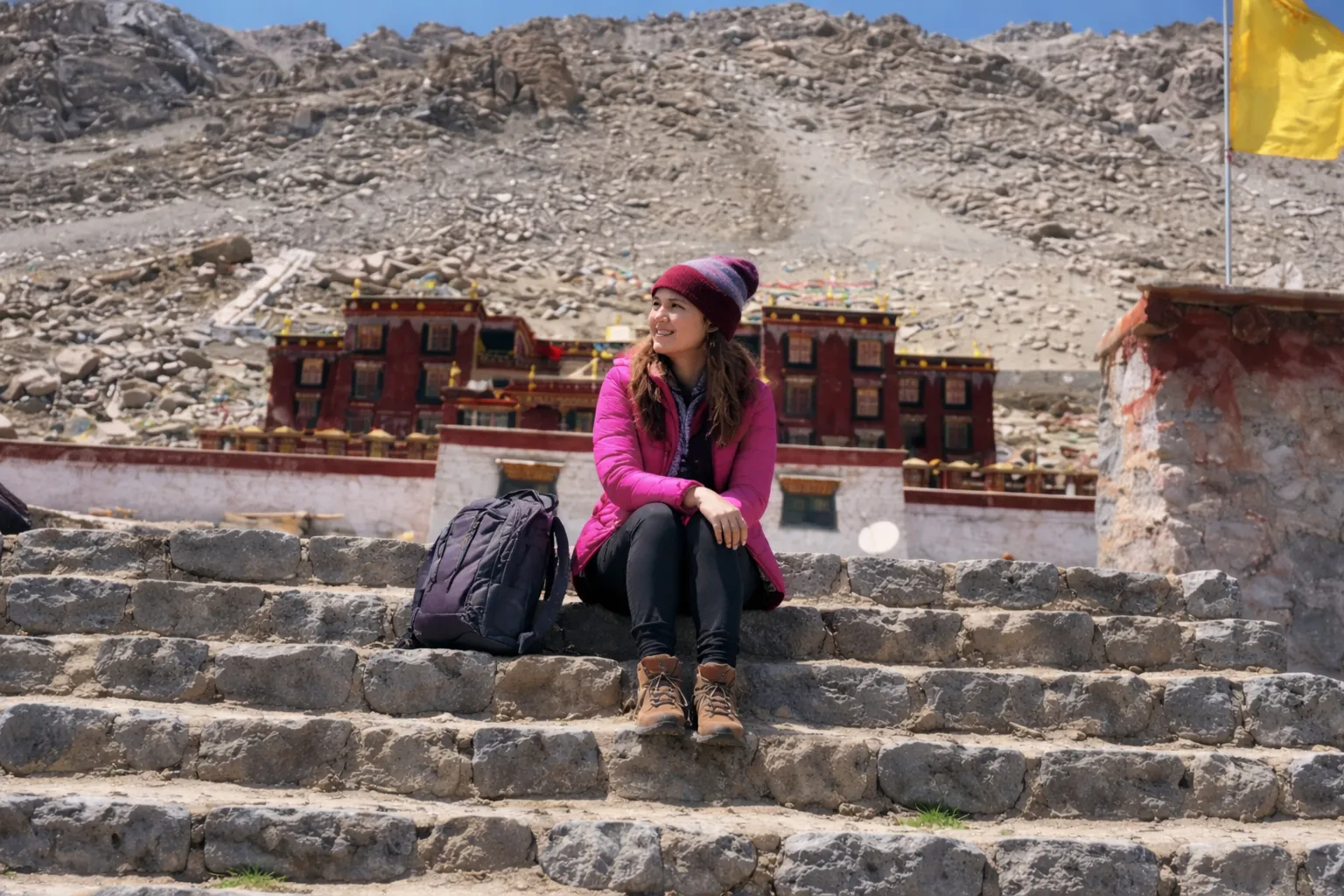
Planning a journey to Mount Kailash and Lake Mansarovar is a significant undertaking for any explorer, but for international visitors, especially those holding non-Indian and non-Nepali passports, the journey requires a higher degree of preparation, decision-making, and self-awareness. Selecting the optimal route, between the Kerung overland path and the Lhasa route via Ali Gunsa, is more than just a logistical choice. It shapes every aspect of your journey: your physical comfort, your cultural understanding, your spiritual fulfillment, and even your ability to complete the sacred Parikrama with confidence.
Both the Kerung and Lhasa routes have unique personalities, advantages, and considerations that can influence which one will work best for you. From the lush, monsoon-fed lowlands of Nepal, the Kerung route offers an efficient and direct overland crossing into Tibet, cutting out many of the region’s cultural and historical highlights but delivering you to the holy sites in a minimum number of days. By contrast, the Lhasa route, beginning in Tibet’s capital, unfolds like a living storybook, rich with layers of history, daily acclimatisation, urban comforts, and some of the world’s most breathtaking monasteries and landscapes before ever reaching the mountain itself.
As this guide unfolds, you will see not only the logistical nuts and bolts of each option but also the emotional texture of their journeys. We will look at how your body can adapt (or struggle) with the altitude depending on your chosen path. We will compare days spent on the road, nights in hotels versus guesthouses, meals, health and medical support, and the cost-benefit analysis that genuinely matters for foreign travelers with expectations refined by prior global adventures.
More importantly, we will examine the suitability of each route from the lens of your group type: Are you traveling solo, as part of a couple, with elderly family members, or as a private group seeking a seamless, premium experience? Are you a first-time visitor to high altitudes, or have you trekked in other world-class ranges? Do you have a profound interest in Tibetan Buddhism and local culture, or is your focus firmly set on performing the Parikrama and honoring a longstanding spiritual goal? Every section of this guide is engineered to help you answer the one question that matters most at the decision stage: Which route is truly better for me?
This comprehensive comparison will walk you through the decisive points foreign travelers must consider: the science of altitude adaptation, the pacing and rhythm of road travel, comfort and fatigue factors, cost logic and value, cultural immersion, and common concerns for families and aging travelers. By the time you reach the final section, you'll have a new level of clarity and the decision-making confidence to choose the journey that aligns perfectly with your priorities, abilities, and dreams.
Kerung route vs Lhasa route to Kailash: the short answer
The choice between the Kerung and Lhasa routes is not a matter of which is “best” in universal terms, but rather, which is right for you based on your unique needs and travel style. The Kerung route is direct, time-efficient, and appeals to those whose main goal is to reach the mountain with minimal additional stops. The journey begins with an overland crossing from Nepal into Tibet, offering striking shifts in landscape but relatively limited exposure to the broader culture of Tibet outside the Kailash region. If you are short on time, have a solid baseline of health, have trekked at altitude before, or simply feel most fulfilled by the spiritual completion of the Parikrama, Kerung could be ideal.
On the other hand, the Lhasa route is often recommended for travelers who value cultural immersion, more gentle acclimatisation, comfort, and a story-like progression toward Kailash. Flying into Lhasa, you will explore world heritage Buddhist and historical sites, enjoy a gradual increase in altitude, and benefit from the amenities and medical facilities of a modern city before venturing out to the high plateau. If you are new to high altitudes, interested in Tibetan culture, traveling with parents or older companions, or seeking a richer narrative throughout your pilgrimage, the Lhasa route may suit you better.
The sections ahead will break down the details, enabling you to weigh these two powerful options clearly and choose with absolute confidence.
What is the Kerung route to Kailash?
The Kerung route is the classic overland path from Kathmandu, designed for those who prioritize efficiency and directness. After departing Kathmandu, the journey begins with a road trip through the rolling hill country of Nepal, passing through small towns and lush river valleys before approaching the border at Rasuwa/Kerung. The border crossing itself is a significant point in your journey; here, passport and permit checks are performed under the supervision of both Nepali and Chinese immigration officers, often accompanied by your guide and group leader. Once cleared, you enter the Tibetan Autonomous Region, an almost instant transformation from Nepal’s green, humid landscape to the stark, high-altitude expanse of the Tibetan plateau.
Travelers quickly notice that the rhythm on this route is purposeful, every day is focused on moving westward toward your spiritual goal. Mornings begin early, with simple breakfasts and briefings from your guide; the bulk of most days is spent in robust overland vehicles, driving long distances over well-maintained but sometimes dramatic roads. You pass through high mountain passes, cross rushing rivers, and watch as villages become scarcer and the landscape turns to undulating plains and distant snow-capped peaks.
Unlike the Lhasa route, the Kerung approach rarely includes sightseeing at ancient temples, extended walks through city bazaars, or guided tours of Buddhist monasteries. Nevertheless, the spiritual energy is palpable: every switchback reveals a new horizon, every overnight stop brings you closer to the mountains that have drawn pilgrims and adventurers for centuries. This directness is a virtue for those who wish to minimize distractions, maximizing their focus on Lake Mansarovar and the sacred Parikrama.
Importantly, flexibility is built into the best Kerung itineraries. Responsible operators schedule rest days or acclimatisation periods at key altitudes, particularly in Saga or other towns en route, allowing your body to adjust and minimizing the risk of altitude sickness. Meals along the Kerung route tend to be hearty but basic, with options for local Tibetan dishes, simple Nepali fare, and packaged foods suitable for international stomachs.
Evenings are typically subdued, with time for reflection, rest, and briefings about the next day’s drive, an atmosphere that many foreign pilgrims find both calming and spiritually supportive. Spiritual seekers planning an advanced trek overland often select a specialized Mount Kailash Inner Kora tour via Kerung border to combine sacred Outer and Inner Kora rituals with direct, structured land transit.
What is the Lhasa route via Ali Gunsa?
The Lhasa route is designed for those who want their journey to Kailash to be as much about the experience as the destination. After arriving in Lhasa, the fabled “Land of the Gods,” you immediately sense the spiritual and historical gravity of Tibet. Here, the pilgrimage begins in earnest, not with a rush toward Kailash, but with a deliberate integration into the rhythms of Tibetan daily life.
Spend several days exploring the city’s ancient heart: walk the Barkhor Circuit with local Tibetans, spin the prayer wheels encircling the Jokhang Temple, and stand in awe below the iconic Potala Palace, once the seat of the Dalai Lama. The air at Lhasa’s altitude is already thin, so you are acclimatising even while sightseeing and absorbing thousands of years of Buddhist devotion. These days in Lhasa also provide ample opportunities to interact with local people, explore vibrant markets, sample Tibetan cuisine, and even attend religious chanting ceremonies or festivals if your timing aligns.
From Lhasa, your journey heads west, usually by private vehicle or tourist coach, traveling through a succession of stunning landscapes. You will pass Yamdrok Lake, whose turquoise waters glimmer with reflected sky; cross high mountain passes with panoramic overlooks; visit remote monasteries tucked into the cliffs; and enjoy overnights in towns like Shigatse, Gyantse, or Saga. If your operator offers the extension, you may visit the Tashilhunpo Monastery, the seat of the Panchen Lama and a major center of Tibetan culture.
The Lhasa route’s gradual progression is its greatest asset for international travelers. Days are balanced between sightseeing, acclimatisation, and travel, allowing your body to adapt gently to heights that regularly exceed 4,000 meters. By the time you reach Darchen, the starting point for the Parikrama, you are not only fully acclimatised but also deeply oriented within the living culture of Tibet.
Medical support, modern amenities, and international-standard hotels are available in Lhasa and many stops along the way. Dining options are more varied than on the Kerung route, with both international and authentic Tibetan restaurants on offer in larger towns. Regular briefings, access to pharmacies, and stronger WiFi/communications infrastructure in urban settings make the lead-up to Kailash much less stressful, particularly for families or older travelers who may be anxious about remote travel.
The layering of experiences, spiritual, cultural, historical, and natural, makes the Lhasa route particularly appealing for those who view the entire journey as transformative, not just the final destination.
Which route is better for acclimatisation?
Acclimatisation, or the process of your body adjusting to lower oxygen at high elevation, is the deciding factor for many foreign visitors. Serious altitude illness can derail an otherwise sound journey, causing dehydration, headaches, exhaustion, and at the higher end, dangerous complications. The ability to adapt safely is strongly influenced by your route choice.
The Lhasa route is widely considered the gold standard for acclimatisation. When you arrive in Lhasa, you touch down at about 3,650 meters. You then have several days to explore the city, walking at your own pace, taking in the sights at a lower exertion level while your body quietly boosts its red blood cell count. The itinerary is explicitly designed so that you absorb a few hundred meters of altitude per day, not thousands, which is the medically recommended method for ascending rapidly to high elevations.
Subsequent stops heading west on the Lhasa route are purposefully chosen at increasing altitudes, with overnight rests in locations like Gyantse or Shigatse, both substantial towns where modern comforts and medical support are readily available. The staged climb is a noticeable benefit; most travelers report mild symptoms (if any) and have resolving headaches or fatigue quickly, rather than suffering days of exhaustion or worse. By the time the group arrives at Saga and continues to Darchen, bodies are seasoned for the high passes and the effort of the Parikrama.
The Kerung route, though efficient, requires a more abrupt transition in altitude. You move quickly from the relatively low elevations of Kathmandu to the dramatic ascents of the Tibetan plateau, with resting points above 4,000 meters sometimes within only a day or two of crossing the border. Well-organized operators schedule extra acclimatisation days at higher points along this path, but it is essential to recognize that the body has less preparation time to adapt to the lack of oxygen.
For frequent trekkers, experienced mountaineers, or those whose vacation time is strictly limited, the Kerung route’s compressed timeline is worth the trade-offs. But for first-timers, travelers with a history of altitude difficulties, or those particularly cautious about health, the Lhasa route is the safe, comfortable, and recommended option. It minimizes risk, maximizes enjoyment, and boosts the likelihood of completing the Parikrama successfully.
Remember: your overall experience is shaped as much by how well you feel as by what you see.
Travel experience, scenery, and cultural depth comparison
The difference in atmosphere between the Kerung and Lhasa routes cannot be overstated. Your choice here is not only about logistics, but the emotional and sensory rewards you find along the way.
Cultural immersion: The Lhasa route is unparalleled in delivering the richness of Tibetan history and daily life. Not only do you have direct access to ancient spiritual sites, but you also have the chance to engage with laypeople, monks, and artisans. You participate in city rituals, view expressive wall murals and mandalas, and experience living traditions that bring Tibetan Buddhism alive, not merely as an abstract philosophy but as a vibrant force in daily life.

The Kerung route, conversely, is more introspective, providing you with a reflective, undistracted passage to the sacred mountain. While you encounter rustic Tibetan villages and occasional regional shrines during transit, the central theme is the movement westward and the anticipation of reaching Lake Mansarovar and Mount Kailash. Views are panoramic and dramatic, with fewer interruptions for cultural visits.
Scenery and landscape: Both routes deliver jaw-dropping natural beauty, but in contrasting styles. The Kerung road vaults across deep Himalayan valleys, pushing rapidly onto a high-altitude desert dotted with spectacular mountain views. You witness nature’s grandeur in bold brushstrokes arid plains, wind-patterned dunes, and snow peaks like distant sentinels. You will see yaks grazing and nomads moving upon the horizon, but the journey is about the land itself rather than the life upon it.
The Lhasa path offers a kaleidoscope of changing topographies: sapphire lakes, green meadows, rolling grasslands, historic towns ringed by fortresses, and colorful markets alive with prayer flags and local conversation. Each day brings variety, one morning you might wake in a bustling city hotel, and by evening, find yourself beside a tranquil glacier lake or inside a pilgrimage guesthouse where incense threads the air.
Atmosphere and emotional narrative: The Lhasa route feels like a pilgrimage both in spirit and story. Each step prepares you not just physically, but emotionally and intellectually, culminating in an arrival at Kailash that feels deeply earned and transformative. The Kerung route feels more like an odyssey of resolve, a challenge to both body and focus, where your insights and meditations are drawn from the land’s concentration and the inner journey toward your sacred goal.
Below is a comparison table that summarizes these contrasts for easy reference:
Factor | Kerung Route | Lhasa Route |
|---|---|---|
Primary Focus | Direct pilgrimage to Kailash | Full Tibet and Kailash experience |
Cultural Sites | Few, local shrines or monasteries | Extensive, world-famous |
Scenery Shift | Fast, dramatic plateau ascent | Gradual, varied landscape change |
Journey Feel | Introspective, focused | Layered, narrative, immersive |
Urban Exposure | Minimal | Significant (city, markets) |
Road time, pacing, and travel fatigue comparison
Not all hours spent on the road are created equal. The physical and psychological experience of overland travel in Tibet depends on daily structure, comfort, and opportunities for rest and recovery.
On the Kerung route, you will find that the daily program is purposefully efficient. Drives may last anywhere from five to eight hours, covering significant ground each day. Roads are generally better than in the past, with new highways and infrastructure projects resulting in smoother rides. Still, some sections remain rough, particularly after heavy weather or new construction, and you will spend prolonged periods seated with only basic amenities available during transit stops.
You are likely to encounter spectacular vistas of the Himalayas and broad plateaus with sudden changes of light and color. However, with fewer scheduled stops, little opportunity exists to stretch your legs at cultural or market locations, and guesthouses en route, while improving, can vary from rustic to basic. Fatigue can build in both body and mind, especially for those unused to long days in vehicles at elevation, so it is crucial to pace yourself, stay hydrated, and use every rest stop for movement and breathing exercises.
By contrast, the Lhasa route incorporates deliberate pauses in travel, interspersed with cultural stops, sightseeing walks, and visits to both natural and historical highlights. While the total duration of travel is greater, the daily overland segments are shorter, often allowing for two to three hours of walking between drives, lunches, or sightseeing. This “structured rest” gives travelers time to recover from the physical and psychological stress of high-altitude travel.
Guesthouses and hotels along the Lhasa path are, on average, a notch higher in comfort, at least until well into western Tibet. Larger towns offer better heating, showers, and medical care. Day-by-day, the landscape shifts enough to keep visual fatigue at bay, one day might be all about medieval fortresses, while the next focuses on pristine lakes or bustling markets.
For foreign travelers, especially those journeying with parents or less mobile family members, these details accumulate. The Lhasa route feels less compressed, more forgiving, and even though you spend more days traveling, the “fatigue per day” is often lower owing to thoughtful pacing and breaks.
Cost difference and value logic
Cost is a major consideration for many foreign travelers, and understanding what you receive for your investment is critical for making an honest and satisfying decision.
Lhasa route costs: This journey is almost always at a premium price point for several reasons. The most immediate is the mandatory domestic flight or rail transfer to Lhasa from Kathmandu or Chinese gateway cities. These flights are expensive and can add several hundred to over a thousand dollars to the cost. The lengthier duration (commonly 15 to 18 days) increases the number of paid hotel nights, meals, and days of vehicle and guide service. Lhasa and other large towns provide a range of accommodation, often including three- or four-star hotels for the initial nights, with more basic options further west.
Travelers also pay for the privilege of seeing and entering historic monasteries and temples, many of which require entrance fees. Premium packages can include English-speaking guides, upgraded vehicles, guaranteed private bathrooms for part of the journey, or additional support staff such as personal porters for the Parikrama.
Kerung route costs: This journey is more streamlined, typically running 10 to 13 days door-to-door. By cutting out flights (except your international flight to Kathmandu), removing extra city nights, and using more basic accommodation along the route, costs stay substantially lower. Meals may be simpler, transportation fleet size is smaller, and the overall “extras” are less. For travelers interested in a focused, economical pilgrimage, this can be a decisive factor.
However, both itineraries must include required permits, group visa processing, guide expenses, and contingency fees for emergencies or itinerary adjustments, all of which are more expensive for foreign nationals than domestic travelers. It is important to compare not just the sticker price, but the inclusions: Does your price cover all permits? Are transfers from the airport included? What about support during the Parikrama? Knowing precisely what you are getting will prevent surprises and disappointment, down the road.
Below is a cost logic table for easy comparison:
Cost Factor | Kerung Route | Lhasa Route |
|---|---|---|
Total Trip Duration | Shorter (10-13 d) | Longer (15-18 d) |
Internal Flights | None | Required |
Accommodation | Basic guesthouses | Premium hotels, city hotels, guesthouses |
Meals Included | Standard fare | Wider quality, some gourmet |
Entrance Fees | Few | Many |
Guide Costs | Economical | Higher (city & country) |
Support Facilities | Less comprehensive | Higher standard in Lhasa |
Overall Budget | Lower | Higher |
Suitability for elderly travelers, first-timers, and private groups
Nowhere is the difference between the two routes more palpable than in how they fit the needs of specific traveler profiles.
First-time high-altitude travelers
The Lhasa route is strongly recommended. Physiologically, your greatest risk at Kailash is from the sudden lack of oxygen, a situation markedly improved by the staged approach from Lhasa, which allows your body several extra days and nights to build the capacity needed for safe movement at 15,000 feet and above.
Elderly travelers and parents
Comfort, medical access, and psychological reassurance drive the decision. Lhasa offers better hotels, more opportunities for downtime, and faster access to pharmacies and emergency care. The gentle pacing, less time on rough roads, and variety in daily activities help older family members and those with minor chronic conditions (like hypertension or mild arthritis) stay engaged and well.
For some, a private Kerung package with built-in rest days can work if physical and medical baseline is strong and the slower, stripped-down style is preferred, but the Lhasa journey almost always provides the superior support environment for senior travelers.
Travelers with restricted vacation time
The Kerung route is ideal. Minimizing days on the road ensures you realize your spiritual goals while still working around demanding work or family calendars. Many international pilgrims with limited paid leave select this faster path specifically for its focus on efficiency.
Private and premium small groups
Both routes can be customized for private groups, but your preferred experience should influence the choice. For groups that value privacy, flexibility, and an immersive program, the Lhasa route can be built into a luxury experience with private guides and bespoke excursions at each stop. For groups seeking efficiency and deep focus on Kailash, a private Kerung route, using the best vehicles, amenities, and local support, is absolutely possible and is often more economical.
Families and multi-generational groups
Families spanning multiple generations face a unique set of considerations. Safety for the youngest and oldest, varied interests (historical sights for adults, shorter days for elders or children), and dietary flexibility matter. For most, the Lhasa route checks more boxes, offering built-in flexibility and comfort, as well as an easier-to-manage physical progression for less experienced travelers. Because managing a smooth physical progression is essential when traveling with mixed age groups, many families choose a traditional Kailash mansarovar yatra via lhasa to provide the built-in comfort, gradual acclimatisation, and balanced pacing required for everyone to stay safe and comfortable.
Final recommendation: When to choose each
Making the choice requires honest self-assessment and clear group communication. Here is a concise framework:
Choose the Kerung route if you:
- Crave a fast, focused journey with minimal distractions from the spiritual objective.
- Need to complete the journey in a limited timeframe due to work or other obligations.
- Are comfortable with longer overland drives, basic accommodation, and less variety in meals or amenities.
- Have strong prior experience with high altitude and have assessed your risk tolerance with a medical provider.
- Prefer to manage your budget carefully, focusing resources on the core journey rather than extra cultural programs.
Choose the Lhasa route if you:
- Value gradual acclimatisation and want to minimize health risks or discomfort.
- Are traveling to Tibet and Kailash for the first time and wish to appreciate the full history and culture of the region.
- Enjoy a slower, more varied travel rhythm that includes time for sightseeing, photography, culinary exploration, and varied group experiences.
- Are journeying with elderly relatives, young family members, or anyone with chronic health/medical questions.
- Consider the pilgrimage not just a destination, but an unfolding story rich in personal, cultural, and spiritual dimensions.
If you would benefit from tailored advice, reach out to a trusted Kailash operator. Their specialists can review your passport, health status, travel window, group makeup, and answer specific questions unique to your planned journey.
Additional insights: Safety, support, and planning considerations
Health and medical support: Traveling at altitude is a significant challenge regardless of route. Both itineraries will provide oxygen support, qualified guides, and emergency evacuation procedures, but access to higher standard care is easier on the Lhasa route. International-standard hospitals are available in Lhasa, and many journeys include at least one day for medical checks, medication refills, or last-minute gear shopping.
Cultural context and local interaction: If your interests extend beyond the spiritual pull of Kailash and Mansarovar to the rich fabric of Tibetan culture, the Lhasa route is vastly superior. Interactions with local pilgrims, monks, and lay people are built into the journey, and every major stop is an education in Tibetan life and tradition.
Permits and official processing: Both routes require multiple permits (including Tibet Travel Permit, Alien Travel Permit, Military Permit), all best managed by experienced operators. Lhasa trips allow more time for resolving last-minute document issues or expired paperwork, an advantage if your journey involves tight or changing timelines.
Altitude sickness prevention: No matter the route, respect high elevation. Drink water, avoid overexertion, watch for symptoms, and alert your guide immediately if feeling unwell. For those with a medical history or particular anxiety about altitude, the Lhasa route’s staged gain is the safest bet.
Decision timeline: The best itineraries on both routes often book up three to five months in advance, especially during peak season (May, June, September). Early planning offers best route choice, permit processing assurance, and greater flexibility on preferences such as private rooms or dietary needs.
Travel essentials, packing list, and practical tips
While not strictly a route comparison topic, foreign visitors benefit from practical advice on preparing for both journeys. Consider packing:
- Layered clothing for temperature swings
- High-quality sunglasses and sunscreen (the Tibet sun is fierce)
- Medications for standard ailments (ask your doctor if altitude-specific medicines like Diamox are right for you)
- Water bottles or hydration packs
- Lightweight sleeping bag suitable for cold high-altitude nights (required for both routes, more so on Kerung)
- Travel insurance documents (make sure your plan covers high altitude and emergency evacuation)
- Copies of your passport and permits (keep digital and printed versions)
- Snacks or comfort foods for picky eaters meals can get repetitive on both routes
Check with your operator for details specific to your itinerary.
Who should choose which route? Self-selector table
Traveler Type | Better Route | Explanation |
|---|---|---|
First-time high-altitude | Lhasa | Gradual acclimatisation substantially reduces risk of altitude illness |
Elderly or health-concern | Lhasa | Better pacing, access to medical care, and less physical stress compared to the directness of Kerung |
Time-limited professional | Kerung | Shortest duration, efficient journey to core sites, minimizes time away from work or family |
Spiritual devotee | Kerung | Focus is the ritual, the mountain, and the Parikrama |
Culture-loving explorer | Lhasa | Deep connection with Tibet’s history, city life, art, and religion before reaching the mountain |
Premium private group | Either | Pick based on group priority: comfort and culture (Lhasa), or directness and efficiency (Kerung) |
Family or multi-gen | Lhasa | More structure, varied activities, flexibility, and comfort for a broad spectrum of ages and interests |
Frequently Asked Questions
- Which route is better for Kailash, Kerung or Lhasa?
Neither is universally better. The Lhasa route is renowned for acclimatisation support and its immersive cultural context, making it the softer landing for most foreign travelers. The Kerung route is better for focused, efficient journeys with fewer extra days and less cultural immersion. - Is the Lhasa route better for acclimatisation?
Yes. Gradual altitude gain and time in Lhasa reduce both physical and psychological stress, lowering the risk of altitude sickness, especially for first-time visitors and elderly family members. - Is the Kerung route faster?
Yes. Kerung is the direct, no-frills route; you will reach Mansarovar and Kailash in the fewest possible days, ideal for tight schedules. - Which route is better for foreign travelers?
If you want safety and cultural depth, Lhasa is typically preferred. For efficiency or repeat visitors with solid high-altitude experience, Kerung may be fine. - Which route is better for elderly parents?
Almost always Lhasa, because it allows more adjustment time, has better hotels and medical access, and lessens travel shock. - Which route costs more?
Lhasa journeys are priced higher due to extra domestic flights, premium accommodation, more days of service, and excursion fees. Kerung is more economical but with basic amenities. - Does the Lhasa route include more cultural experience?
Yes. More temples, markets, local interactions, and the rich tapestry of Tibetan history. - Is Kerung a good option if my main goal is Kailash only?
Absolutely. Kerung is designed for focused pilgrims intent on reaching the holy sites with minimal delay. - Which route prepares better for the Parikrama?
Lhasa, with its slow altitude build-up, maximizes your chance for successful Parikrama completion. - Can both routes be booked as private foreign group journeys?
Yes. Both can be fully customized discuss your preferences around comfort, pacing, and sightseeing with your chosen operator.
Quick summary callout
If you need the most gradual and supportive journey for acclimatisation and enjoy the broader Tibetan story, choose Lhasa. If you want to go direct to Kailash with minimal delay, choose Kerung. Unsure? Send us your nationality, age range, and group profile for route advice that best fits your needs.
With this expanded perspective and richer insight, you now have the wisdom to make an informed choice. The path to Kailash is sacred no matter how you walk it, what matters most is aligning your chosen route with your health, curiosity, group profile, and personal aspirations. Safe travels, and may your pilgrimage be transformative.
This comprehensive guide will help you understand the core differences between these two options. We will evaluate how your body adapts to thin air on each path, what level of cultural immersion you can expect, and how the daily pacing impacts your physical energy. We will also examine the cost differences and explain which option is best for elderly parents, private groups, and individuals traveling to the Tibetan plateau for the very first time. By the end of this guide, you will have all the clarity you need to select the journey that perfectly matches your physical capabilities and spiritual goals.