
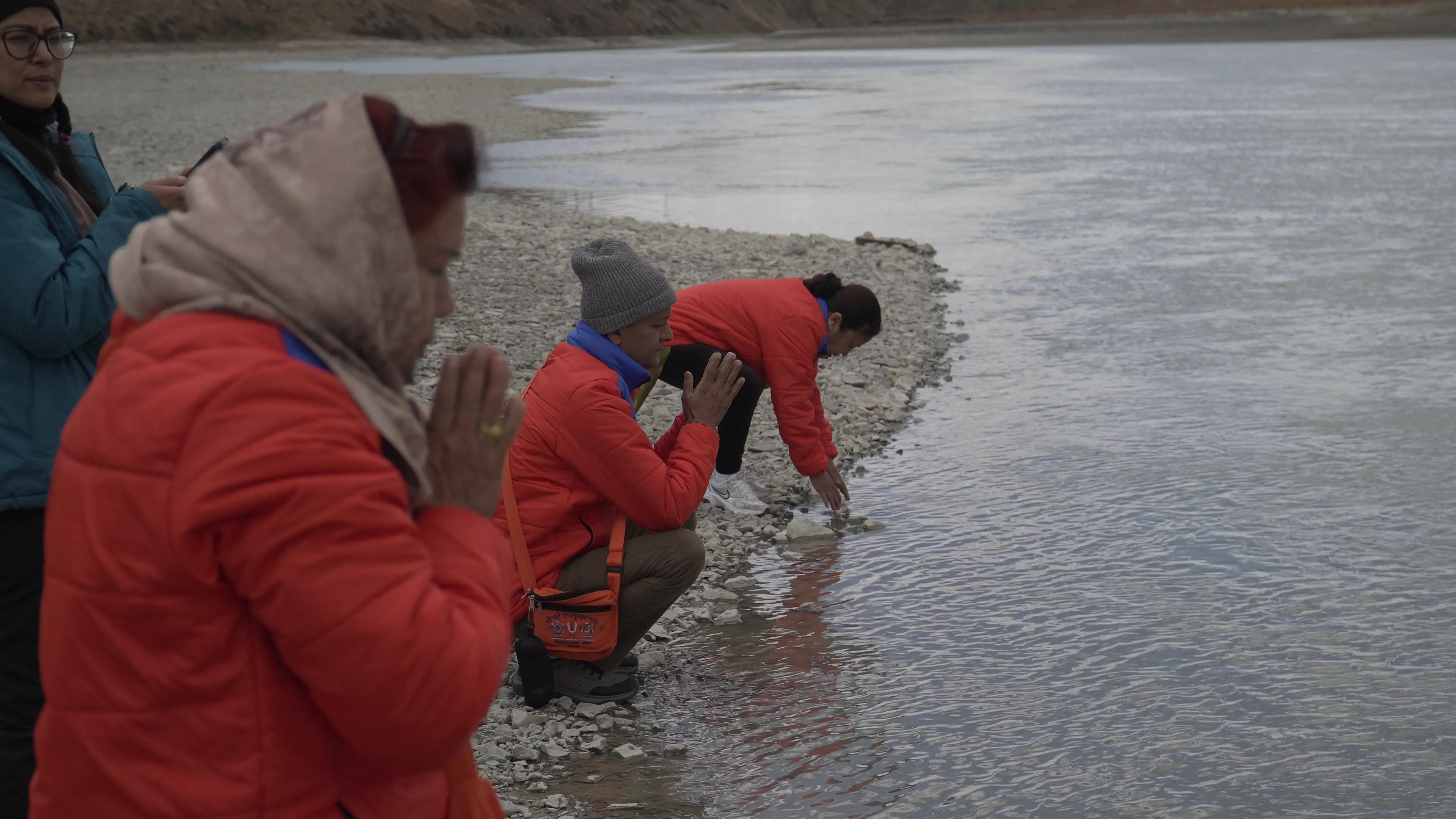
Mount Kailash calls to thousands of spiritual seekers every year. For many, standing at the base of this sacred peak and bathing in Lake Mansarovar is the ultimate life goal. Yet, a deep fear often holds devoted pilgrims back from taking the first step. You might be wondering if you are physically fit enough to survive the high-altitude trek.
Let us clear up that fear right now. You do not need to be a marathon runner or a professional mountain climber to complete this sacred pilgrimage. Everyday people of all ages successfully finish the Yatra each season. The real secret to a successful journey involves two simple steps. First, you must prepare your body realistically. Second, you must choose a travel route that perfectly matches your current physical abilities.
By following a structured preparation plan, you give your body the exact tools it needs to handle thinner air and uneven terrain. This comprehensive guide will walk you through the physical demands to expect. You will get a highly shareable 12-week training plan to build your stamina. Finally, we will show you how to select the perfect itinerary through Kailash Trip Planner based on your passport and fitness level.
The Spiritual and Cultural Significance of Kailash
Mount Kailash and Lake Mansarovar are far more than travel destinations - they are sources of inspiration, spiritual testing grounds, and a central focus of centuries-old traditions. Kailash is believed to be the ‘Axis Mundi’ - the center of the world in Hindu, Buddhist, Jain, and Bon faiths. For Hindus, it is the mythological abode of Lord Shiva, the source of the Ganges River, and the source of cosmic power. Buddhists believe it to be the dwelling of Demchok (Chakrasamvara), a representation of supreme bliss. Jain tradition marks it as the site where the first Tirthankara attained liberation, while the Bon faith holds it as the seat of spiritual power.
Pilgrims and adventurers from as far away as Mongolia, China, Nepal, India, and Tibet have walked these trails for over two millennia. This journey is not just about witnessing awe-inspiring peaks and glacial lakes. The Yatra is woven through with stories, prayers, centuries-old songs, and a sense of connection to something greater than oneself.
A Personal Testament:
Sudha, a pilgrim from Bangalore in her late 50s, recalls, "When I first thought about the journey, I was intimidated by stories of exhaustion and breathless climbs. But standing by Lake Mansarovar, all worries faded. My body felt tired, yes, but my spirit soared. The camaraderie I shared with others and the support from my guides made all the difference."
For all its mystical allure, Kailash is also a place where physical, mental, and spiritual limits are tested - and then transcended.
The Truth About Kailash Fitness Requirements
The physical demands of your journey depend entirely on the route you select. The highest point of the traditional trekking path is the Dolma La Pass, reaching an elevation of roughly 18,600 feet. At this altitude, oxygen levels are lower than at sea level. This makes every step feel heavier and requires more energy.
But don’t be discouraged! Understanding these challenges can be empowering when you prepare wisely. The primary areas of focus are:
- Cardiovascular Endurance: Vital for efficient oxygen use during exertion. Even walking flat terrain at high altitude requires the heart and lungs to work harder.
- Leg and Core Strength: Needed to handle daily walks of 10-18 km, climb steep passes, and maintain balance on loose gravel or snow.
- Flexibility: Essential to help you adapt to changing terrain and prevent injuries.
- Mental Fortitude: High altitude can exhaust your reserves. The ability to push through discomfort, remain positive, and adapt to conditions is fundamental.
It’s natural to be apprehensive. Many first-timers wonder if they’ll keep up or if they’ll be a burden on the group. Remember: choosing the right route is as important as physical preparation. Modern Yatra options mean you can always find an itinerary that suits your needs and abilities - you do NOT have to “prove” yourself by selecting the hardest trek.
The Pilgrim’s Journey: From Fear to Fulfilment
“I’m Not an Athlete. Can I Still Go?”
Absolutely! Here’s a story from Rajiv, a 43-year-old from Chennai:
"I've never been to the gym and don't play sports. My biggest worry was whether I could finish the Parikrama. But our guide assured us that as long as we walked consistently and listened to our bodies, we'd be fine. The first day was tough, but every evening, the view of Kailash ahead made me forget the struggle. When I reached the Dolma La Pass, I couldn’t believe I'd made it!"
Lessons Learned:
- Consistency in training matters more than speed or distance.
- Travel with a supportive group - the encouragement and camaraderie boost morale.
- Have faith that the mountain “accepts” every earnest pilgrim, regardless of athleticism.
The 12-Week Yatra Training Plan
To safely prepare for the physical demands of Mount Kailash, start training at least three months before your departure date. Bookmark this 12-week training program. It is designed specifically for everyday pilgrims to gradually build a cardiovascular base and strengthen leg muscles.
Before starting any new exercise routine, please consult with your doctor. This is especially important if you have pre-existing health conditions like high blood pressure.
PHYSICAL PREPARATION PRINCIPLES
- Start slow. Your body adapts over time.
- Cross-train. Mix walking, light jogging, swimming, or cycling to keep things fun and reduce injury risk.
- Add a backpack. Carry up to 5-7 kg during training walks by week 6 to simulate Yatra conditions.
- Rest and recover. Inadequate rest is a major cause of injury. Take scheduled rest days seriously.
- Breathe. Practice slow, deep breathing (pranayama) daily - this is invaluable at high altitude.
- Stay social. Invite a friend or relative to join your training. Shared accountability boosts results.
Phase 1: Building the Foundation (Weeks 1-4)
The goal of the first month is to get your body moving consistently. You want to condition your joints for regular walking without overexerting yourself.
Week | Cardiovascular Focus | Strength & Core | Flexibility & Recovery |
|---|---|---|---|
Week 1 | Walk 30 minutes at a brisk pace, 3 days a week. | 1 day of light bodyweight squats (2 sets of 10). | 2 rest days. 1 day of light stretching. |
Week 2 | Walk 40 minutes, 3 days a week. Add small hills. | 1 day of bodyweight squats and 30-second planks. | 2 rest days. Deep stretching for calves. |
Week 3 | Walk 45 minutes, 3 days a week. Walk 60 minutes on the weekend. | 2 days of basic strength training (lunges, step-ups). | 1 rest day. Daily hamstring stretches. |
Week 4 | Walk 50 minutes, 3 days a week. Walk 90 mins on the weekend. | 2 days of strength training. 45-second planks. | 1 rest day. Focus on breath control. |
Tip: If you live in a city, find a park or apartment stairwell for hill simulation. Using stairs twice a week is a great substitute for mountain walking.
Phase 2: Endurance and Elevation (Weeks 5-8)
During the second month, you’ll introduce a daypack. This simulates the load you will carry on the mountain while focusing on uphill endurance.
Week | Cardiovascular Focus | Strength & Core | Flexibility & Recovery |
|---|---|---|---|
Week 5 | Walk 60 minutes, 3 days a week. Wear a backpack with 2.5-5 kg. | 2 days of strength training. Add calf raises. | 1 rest day. Stretch after every walk. |
Week 6 | Walk 60 minutes on varied terrain, 3 days a week. | 2 days of strength training. Practice step-downs for knee stability. | 1 rest day. Lower back flexibility. |
Week 7 | Walk 60 minutes, 3 days a week. Weekend hike of 2 hours with a pack. | 2 days of strength training. 60-second planks. | 1 rest day. Core stabilization stretches. |
Week 8 | Walk 60 minutes, 3 days a week. Weekend hike of 2.5 hours. | 2 days of strength training. Continue lunges. | 1 rest day. Deep stretching recovery. |
Bonus:
Try a trek in your region during weekends - whether a short day hike or a temple on a hill outside your city. Real terrain prepares joints and muscles, boosts confidence, and simulates the group trek environment.
Phase 3: Peak Preparation and Tapering (Weeks 9-12)
The final month prepares you for back-to-back days of physical exertion. The last week focuses on resting your body so you arrive in Tibet fully energized.
Week | Cardiovascular Focus | Strength & Core | Flexibility & Recovery |
|---|---|---|---|
Week 9 | Walk 60 mins twice a week. Weekend: Hike 3 hours with pack. | 1 day moderate strength training. | 2 rest days. Daily stretching routine. |
Week 10 | Walk 60 mins twice a week. Weekend: Hike 4 hours. | 1 day of light strength - core only. | 2 rest days. Deep breathing exercises. |
Week 11 | Walk 45 mins, 3 days a week. Weekend hike of 2 hours. | Cease heavy strength; bodyweight only. | 2 rest days. Joint health focus. |
Week 12 | Light 30-minute walks, 2-3 times this week. | No strength training - let muscles repair. | Rest heavily. Hydrate well. |
Visualizing Your Training Progress
Below is a sample chart to track your weekly training milestones. Use a physical sheet or a digital spreadsheet.
Week | Total Walk Distance (km) | Total Elevation Gain (m) | Pack Weight (kg) | Longest Single Walk (min) |
|---|---|---|---|---|
1 | 9 | 50 | 0 | 30 |
4 | 15 | 150 | 1 | 90 |
8 | 20 | 300 | 5 | 150 |
10 | 24 | 350 | 7 | 240 |
12 | 9 | 100 | 0 | 30 |
Copy, modify, and print this table for your own reference!
Tour Intensity Report: Finding Your Perfect Route
Even with thorough physical preparation, selecting the right travel modality is essential for a safe and rewarding experience. Pilgrims who face physical limitations or tight schedules often choose a Kailash mansarovar aerial darshan to view the sacred peak and lake without undertaking demanding high-altitude treks. The table below compares different routes to help you choose a journey that suits your fitness level and needs.
Tour Type | Physical Intensity | Best Suited For | Key Features |
|---|---|---|---|
Aerial Darshan by Charter Flight | Very Low | Elderly pilgrims, those with limitations, busy schedules | No trekking required. View Kailash and Mansarovar from air. |
Helicopter Tour via Simikot/Hilsa | Low to Moderate | Pilgrims wanting to minimize overland travel, physical fatigue | Flights bypass long drives. Parikrama can be by pony or omitted. |
Overland Tour from Kathmandu | Moderate | Average fitness, gradual acclimatization | Classic drive across Tibetan plateau. Optional 3-day Parikrama. |
Inner Kora / Charan Sparsh | Extremely High | Experienced trekkers, adventurous spiritual seekers | Demanding climbs, closer spiritual encounters, icy terrain. |
Seasonality: When to Plan Your Yatra
Most Yatra routes are open May–September. Each season offers different experiences:
- May-June: Snow melts, vibrant meadows, cooler temps. Fewer crowds.
- July-August (Peak): Warmest, busiest, and more accessible. Occasional monsoon rain in the approach from Nepal, but Tibetan plateau remains dry.
- September: Clear skies, crisp air, spiritual festivals. Excellent for older pilgrims.
Preparing for Altitude: Preventing AMS
Understanding Acute Mountain Sickness (AMS):
AMS may affect any pilgrim above 3,000 meters. Symptoms include headache, nausea, fatigue, and dizziness. It can escalate if ignored.
What Helps?
- Ascend gradually and allow time for acclimatization - do not rush!
- Hydrate (3-4 liters/day). Avoid excess caffeine/alcohol.
- Take prescribed medicines like Acetazolamide if prone to AMS.
- Include “rest days” in your Yatra plan for safety.
Personal Anecdote – Altitude:
“My friend Ankit, a regular gym-goer, struggled for a day at Mansarovar, feeling dizzy and weak. He took a full rest, drank fluids, and felt fine in 24 hours. Acclimatization can't be rushed, no matter your fitness.”
Comprehensive Packing Guide
A well-packed bag is essential. Choose lightweight, quick-dry, and versatile gear.
Clothing:
- Moisture-wicking layers (base, fleece, waterproof outer shell)
- Trekking pants, full-sleeve shirts
- Wool socks (several pairs), thermal undergarments (at least 2 pairs)
- Hat, scarf/buff, UV sunglasses
- Sturdy, broken-in hiking boots
- Gloves (liner and insulated for cold mornings)
- Rain jacket or poncho
Essential Gear:
- Lightweight backpack (25-35L)
- Two 1L water bottles or hydration system
- Trekking poles (highly recommended for balance and knee protection)
- Headlamp/flashlight with batteries
- Power banks, international plug adapter
- Sunscreen (SPF 50+), lip balm, small first-aid kit
- Passport, permits, small notebook and pen
Health and Hygiene:
- Personal medications (allergy/asthma etc.)
- Oral rehydration salts, basic painkillers
- Wet wipes, hand sanitizers, quick-dry towel, soap sheets
Optional:
- Small thermos flask, energy bars
- Prayer beads, spiritual texts
- Camera (compact)
Nutrition Planning & Sample Meal Chart
Good nutrition is a cornerstone of altitude stamina.
Eat small, frequent meals - favoring carbohydrates, lean protein, and healthy fats.
Sample Yatra Day Menu:
Meal | Options |
|---|---|
Breakfast | Porridge, boiled eggs, toast, fruit, tea |
Mid-morn | Roasted nuts, banana, biscuit |
Lunch | Dal, rice, sautéed vegetables, chapati, yogurt |
Snack | Trail mix, chocolate, fruit |
Dinner | Soup, potato curry, rice/noodles, green salad |
Stay flexible and open - on the Yatra, simple food and good company are the recipe for energy and joy.
Mindset: The Power of Intention & Ritual
Many pilgrims find their greatest strength is mental, not physical.
Days can be long and difficult. One way to sustain your focus is to develop a small ritual - chanting your mantra, reciting daily prayers, or simply reflecting during sunrise at Mansarovar.
“The mountain lifts you, then humbles you. I carried a mala from my parents, repeating the Mahamrityunjaya mantra each night. The rhythm kept me going.” - Saraswati, 62
Group prayers, singing bhajans, or silent contemplation fuel you with purpose.
Travel Logistics: Permits, Documents, and Group Safety
- Permits: All pilgrims require Tibet permits, group visas, and sometimes additional border documentation. Kailash Trip Planner arranges all paperwork.
- Group Size: Most groups are 15–30 members, with multilingual guides, cooks, and medical staff.
- Emergency Plans: All operators carry oxygen cylinders, first aid kits, and communication systems for emergencies.
Tip: Scan your passport, insurance, and permits and email them to yourself and a family member for backup.
Tailored Journeys for Every Pilgrim
Different nationalities often have specific logistical needs, preferences, and documentation requirements. Kailash Trip Planner designs specialized routes to cater to these unique demographics.
Indian Citizens
The Yatra holds immense cultural significance for Indian pilgrims, which is why we offer dedicated overland and helicopter packages tailored specifically for Indian passport holders. A primary choice among devotees is the Mount kailash mansarovar yatra via simikot hilsa from lucknow, which remains incredibly popular due to its accessible starting location and helicopter transfers that minimize physical fatigue for families and senior travelers.
Testimonial:
"Our group had people from ages 29 to 70, and the oldest completed the Parikrama with us, mainly because the group moved at a comfortable pace!"
Non-Resident Indians (NRIs)
For NRIs visiting from the US, UK, Australia, or elsewhere, time is often a major constraint. You likely have a tight vacation schedule and prefer a seamless, comfortable experience. Our VIP Helicopter Tours and 8-Day fast-track itineraries are designed exactly for you. These options provide premium accommodations where available and minimize rugged transit times, allowing you to focus entirely on your spiritual experience.
Nepali Citizens
Nepali pilgrims benefit from localized starting points and a deep cultural connection to the Himalayas. We offer dedicated overland tours starting right from Kathmandu. These tours provide excellent value and take advantage of the Kerung land route. Since Nepali citizens often acclimatize well to the regional altitude, the standard 10-day or 14-day overland journeys offer a perfect blend of adventure and devotion.
The Sacred Geography: Kailash Routes, Sights & Stories
Key Points Along the Pilgrimage:
- Yam Dwar: The Gate of the God of Death, marking the spiritual entrance to the Kora.
- Tarboché Flagpole: Site of annual ceremonies, draped with prayer flags.
- Dirapuk Monastery: First night stop, offering breathtaking Kailash views.
- Dolma La Pass: The highest, most demanding point of the Kora, marked by hundreds of prayer flags, memorials, and offerings.
- Gauri Kund: Sacred glacial pool, referenced in Hindu texts as the “Lake of Compassion.”
- Zuthulphuk: Second night stop, named for the legendary cave associated with Milarepa, the Buddhist saint.
Legend:
Throughout your walk, you’ll hear stories:
- The footprints of the gods in stone.
- The mysterious “Om Parvat” with its natural snow-formed Sanskrit symbol.
- The lives of spiritual teachers (e.g., Milarepa and Naro Bön-chung’s contest).
Environmental Responsibility & “Leave No Trace” Practices
The Kailash region is fragile - alpine meadows, rare wildlife (Tibetan antelope, wild yak), and holy sites depend on clean, respectful visitors.
Do:
- Carry out all waste, including biodegradable items and used prayer materials.
- Respect local customs and monastic spaces.
- Use refillable water bottles instead of single-use plastics.
Don’t:
- Touch or climb Mount Kailash (it is forbidden to set foot on its slopes).
- Disturb wildlife or remove anything from the landscape.
Safety in Numbers: The Role of Your Support Team
At Kailash Trip Planner, we take your safety seriously.
Every group is supported by experienced guides, knowledgeable of local weather, terrain, and acclimatization needs.
Medical Support: Satellite phone connectivity, oxygen supply, basic first aid, and emergency evacuation plans are standard. Our guides are experienced in caring for pilgrims of all ages - from first-time trekkers to seniors.
“I slipped on a stone along the Parikrama, and one of the staff was there to help. Their patience and care made me feel safe every step.” - Priya, Delhi
The Final Days: Returning Home Transformed
Many pilgrims find that the journey doesn’t end when you leave Tibet. The sense of accomplishment - physical, emotional, and spiritual - lasts a lifetime.
How to Carry the Blessings Home:
- Establish a daily spiritual practice
- Keep in touch with fellow Yatra members - many form lifelong friendships
- Share your story - through blogs, talks, or community gatherings
- Continue trekking or walking in local environments to maintain your fitness and connection to nature
Frequently Asked Questions
Q: What if I have never trekked before?
A: The 12-week plan is designed with first-timers in mind! As long as you can walk for 2-3 hours at a stretch, take it slow, and select a gentle route if needed, you’ll be well prepared.
Q: Can I hire a porter or pony on the Parikrama?
A: Yes, horses/ponies and porters are available for a fee on most routes, especially the popular ones. Your tour leader will help arrange these.
Q: How do I handle toilets and hygiene on the trail?
A: There are basic but functional toilet tents at camps. Bring tissue, wipes, hand sanitizer, and expect rustic conditions.
Q: What should I do if I feel ill at altitude?
A: Inform your guide immediately, hydrate, and rest. Most mild symptoms resolve with acclimatization, but descend or seek oxygen if symptoms worsen.
Take the Next Step on Your Spiritual Path
Reaching the sacred foot of Mount Kailash is an achievement that will stay with you forever. Do not let the fear of physical strain keep you from fulfilling this profound spiritual calling. By following the 12-week training plan and preparing your body and mind, you can walk this holy path with absolute confidence.
The most important decision you will make is choosing an itinerary that suits your comfort and fitness level. Selecting among the varied Kailash yatra packages ensures you find the right fit - whether you prefer a gentle Aerial Darshan or seek the greater challenge of the Inner Kora.